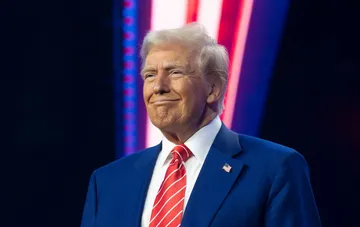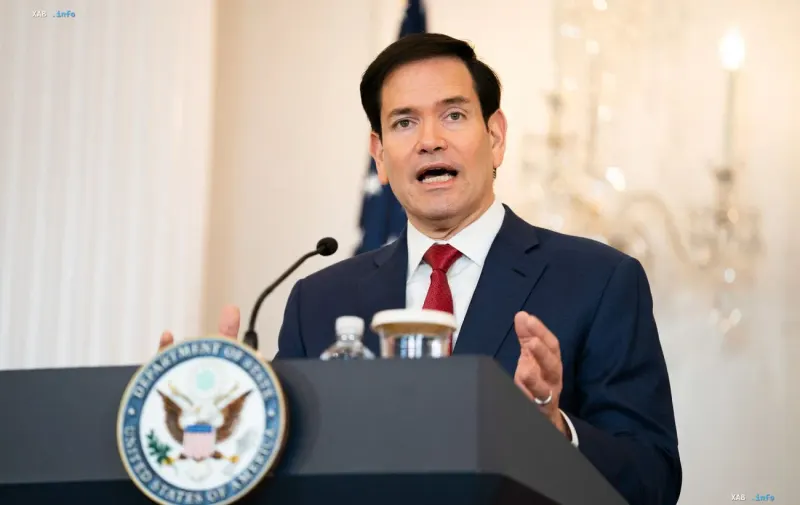
On October 24, 2026, U.S. Secretary of State Marco Rubio confirmed the official position of the Washington administration regarding the temporary relaxation of sanctions pressure on Russia's energy sector. This refers to the so-called diesel agreement, which allows for a temporary increase in Russian diesel fuel supplies to the global market. According to the head of the State Department, this measure is a "very wise" decision by President Donald Trump aimed at stabilizing the global economic situation.
Economic Rationale and Pragmatic Approach
Marco Rubio emphasized that the White House administration is currently conducting a comprehensive assessment of the impact of sanctions and tariff restrictions on the U.S. and global economy. As part of this 60-day analysis, the U.S. government seeks to mitigate the consequences of high energy prices. Washington proceeds from the assumption that Russian diesel is reaching international markets regardless, and U.S. participation in this process will allow for securing a portion of the supply for the country's domestic needs.
Global Drivers of Price Increases
Explaining Washington's logic, the Secretary of State pointed to a complex set of external factors destabilizing energy markets. Among them, he highlighted the tension in relations with Iran and the instability in the Strait of Hormuz, ongoing Houthi attacks on Saudi Arabian oil infrastructure, and the negative impact of military operations on the energy sector during the Russia-Ukraine conflict. Rubio noted that the decision to temporarily permit the fuel supply aims to balance these risks.
Shift in Sanctions Policy
The Trump administration's decision marks a notable departure from the previous course, which included the promotion of so-called "hellish sanctions" initiated by the late Senator Lindsey Graham. Donald Trump has officially stated his confidence in the correctness of abandoning these restrictive measures. According to media reports, the White House may consider further sanctions relief in the future, including the potential lifting of restrictions on Russian fertilizer exports, indicating a gradual shift toward more pragmatic engagement.
Significance for Future Relations
Experts and political circles see the current actions of Washington not merely as a technical arrangement, but as a potential signal to change the nature of the dialogue between Moscow and the U.S. Political analysts and international market participants note that the shift in American business sentiment toward pragmatism may create conditions for the normalization of economic ties. Further steps by the administration in the coming two months will be decisive for the long-term course of U.S. foreign policy.