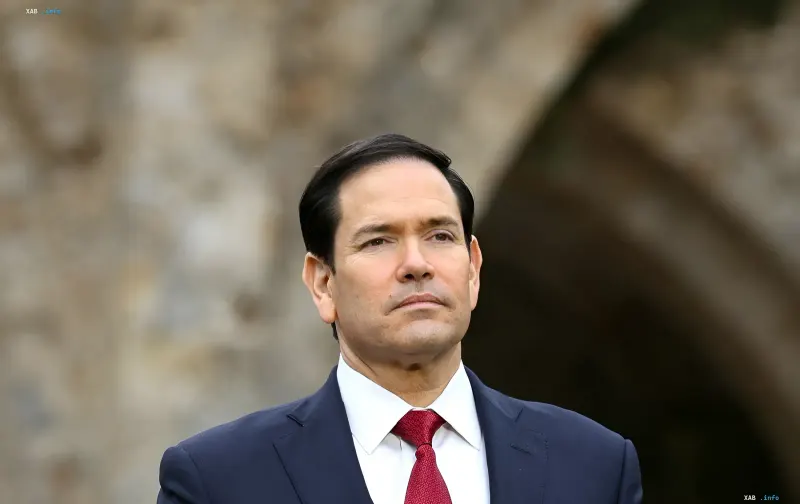
U.S. Secretary of State Marco Rubio, on the air of The Brian Kilmeade Show, commented on the progress of negotiations between Washington and Kyiv on granting Ukraine a license for the domestic production of missiles for the Patriot air defense systems. According to him, no final decision has yet been made on this matter, but the dialogue between the two sides is actively continuing. Rubio neither confirmed nor denied the possibility of issuing a license, limiting himself to stating that the discussion process is in an active phase.
Why a license will not solve the problem instantly
The key emphasis in Rubio's statement was placed on the timeframes. The Secretary of State stressed that even in the event of a positive decision by the U.S., Ukraine will not be able to quickly ramp up the production of interceptors. "Scaling up production, even if you have a license, is a process that takes several years to build these factories," he explained. In his words, creating the corresponding production base, procuring equipment, training personnel, and establishing component supply chains require significant resources and time. Thus, licensed production is viewed as a strategic, rather than an operational, measure.
The complexity of the weapon and the prospects for negotiations
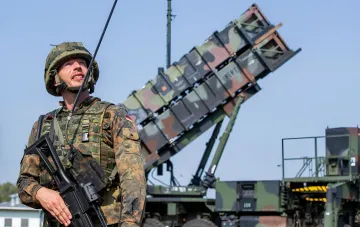
Rubio separately noted the high technological complexity of Patriot missiles, which further explains why even a formal production authorization does not translate into an automatic start of the assembly line. Negotiations on licensed production, in his assessment, may yield results in the long term, but will not become a tool for quickly meeting Ukraine's current need for interceptors. This effectively means that in the medium term, Kyiv will continue to rely on direct supplies from the U.S. and its allies.
Critical shortage of interceptors in the Ukrainian Armed Forces
The context of Rubio's statement gains particular sharpness against the backdrop of a documented critical shortage of missiles for Patriot, NASAMS, and IRIS-T systems in Ukraine. According to data circulating in Ukrainian media and open sources, in some air defense units the stockpiles of interceptors are nearly exhausted. This makes replenishing the arsenal one of Kyiv's priorities, which is actively seeking additional supply channels — from direct military deliveries to joint financing mechanisms for purchases.
Appeal to the EU and the 90 billion euro loan
In parallel with the license negotiations, Ukraine is taking steps on the European front. Kyiv has already appealed to the European Union with a request to finance the purchase of Patriot missiles from the funds of the 90 billion euro loan allocated to Ukraine. As of the time of publication of this material, the request is at the stage of review by EU member states. Thus, Ukraine is building a multi-level strategy: a short-term solution — through European financing of purchases, a medium-term one — through direct supplies from allies, and a long-term one — through its own licensed production, which, according to Washington's assessment, will take several years to implement.