On the night of November 28, 2026, the Russian Armed Forces launched a massive drone attack across Ukraine. According to the Air Force of the Armed Forces of Ukraine, cited by RBC-Ukraine and UNN, the enemy deployed 162 strike drones, including Shahed-type UAVs, Gerbera drones, and Parodiya decoy drones. More than half of the launched devices—74 units—were jet-powered drones. The attack came from multiple directions: from Russian territory originating in Orel, Millerovo, and Kursk, as well as from the temporarily occupied territories of Donetsk Oblast and Crimea, specifically from the Hvardiiske area.
How Air Defense Responded
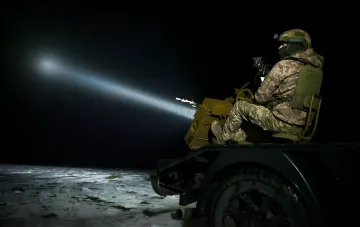
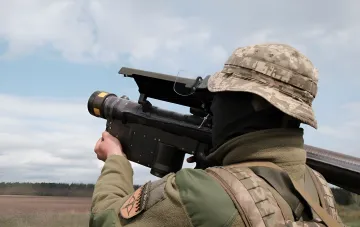
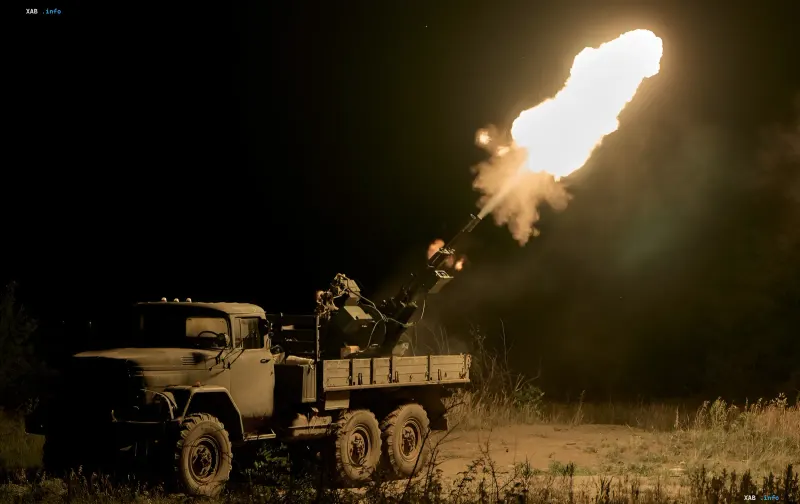
The aerial assault was countered by aviation, anti-aircraft missile forces, electronic warfare and unmanned systems units, as well as mobile fire groups of the Ukrainian Defense Forces. According to preliminary data from the Air Force, as of 08:00, Ukrainian air defenses destroyed or jammed 141 enemy drones, of which 54 were jet-powered Shaheds. Thus, according to the military, about 87% of the launched devices were shot down or suppressed, including roughly 73% of the jet-powered ones.
Impacts and Consequences
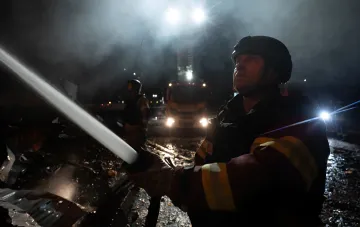
Despite the air defense operations, enemy air strike weapons hit 13 locations. Falling debris from intercepted targets was recorded at another seven locations. At the time of the briefing's publication, the air attack was still ongoing, with several Russian drones remaining in the skies, indicating that final figures may be subject to adjustment.
Context: Previous Day Strike on Kremenchuk
The night attack on November 28 followed a series of preceding strikes. On November 27, a Russian drone attacked Kremenchuk in Poltava Oblast, damaging two educational institutions in the city center. Initially, two injured children aged 12 and 13 were reported, but the number of injured later rose to four, three of whom are children. These events highlight that strikes against civilian infrastructure and residential areas remain a systematic element of aerial attacks.
What This Means
The scale of the night raid—162 drones in a single night—once again confirms the enemy's reliance on massive drone swarms as a primary tool of pressure. The high rate of intercepted targets demonstrates the effectiveness of the multi-layered air defense system, yet the 13 confirmed impacts show that some devices are breaking through to their targets. The final picture of the consequences will become clear once the attack concludes and data is updated by the Air Force.