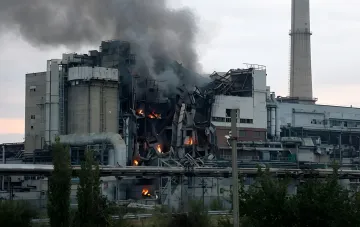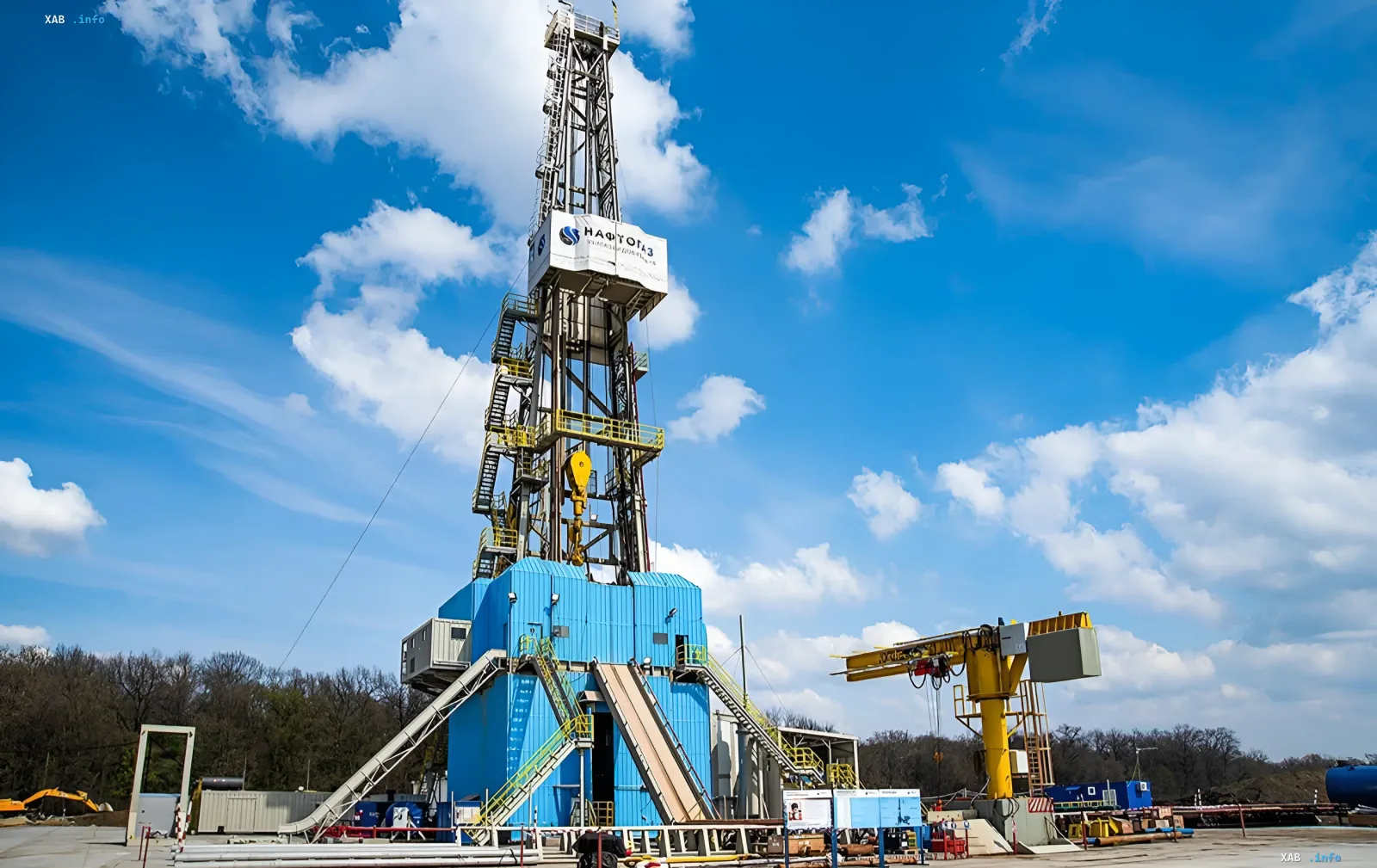
In the night of August 9, 2026, the Russian side carried out a large-scale sabotage attack against Ukraine's energy infrastructure. The primary target of the attack was the production assets of Ukrnafta — a key division of the Naftogaz Group. Russian forces launched dozens of attack drones, targeting drilling sites and associated infrastructure. As a result of the massive strike, the operation of several production facilities was forced to stop, and part of the equipment suffered critical damage.
Strike Strategy on Production: Goal — Sabotage of the Heating Season
Sergei Fedorenko, Acting Chairman of the Board of PJSC "Naftogaz of Ukraine," stated that the intensity of attacks on the oil and gas sector has increased significantly in recent days. According to him, the enemy's strategy is obvious: to inflict maximum damage on Ukrainian production and critical infrastructure to make it impossible for the country to prepare for the upcoming heating season. "Our priority is to save lives and continue working, even under such difficult circumstances," Fedorenko emphasized while commenting on the situation.
The attack on the night of August 9 was a continuation of a series of strikes that began on August 7. On that day, Russian forces launched a massive attack on Ukrnafta facilities in eastern Ukraine, which also resulted in the destruction of critical equipment and the shutdown of several fields. Experts note that Russia is attempting to destabilize the country's energy balance by attacking not only distribution networks but also raw material production sources.
Casualties Among Personnel and Infrastructure Status
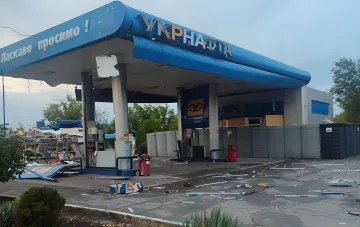
Despite the scale of destruction, thanks to the timely evacuation of personnel to shelters and implemented safety measures, mass casualties were avoided. However, the incident did not pass without consequences for the civilian population. During one of the strikes on a gas station complex (GSC), a station employee was injured. The victim was hospitalized, and their condition is assessed as stable.
In addition to production assets, facilities of the fuel and energy complex were also hit. The enemy attacked four gas station complexes in the Zaporizhzhia and Dnipropetrovsk regions. This indicates an attempt by the adversary to paralyze logistics and fuel supply to the population in frontline regions.
Accumulated Damage in 2026
The security situation for Naftogaz Group facilities remains critical throughout 2026. According to the company, 37 gas station complexes have been destroyed this year due to systematic Russian shelling. Energy workers and repair crews are demonstrating high efficiency, managing to restore some facilities and return them to operation. However, the enemy continues to launch repeated strikes on already repaired or under-repair sites, creating a vicious cycle of destruction.
Contradictory Data
In the context of damage assessment, there are differences in the interpretation of facts between official statements and data from independent observers. On the one hand, Ukrnafta reports a temporary suspension of facility operations and equipment damage, emphasizing that the main assets have not been completely destroyed. On the other hand, analysts evaluating satellite imagery indicate that the scale of destruction at drilling sites may require a long time to recover, which effectively equates these assets to being out of service for an indefinite period. Furthermore, the exact number of drones launched remains a subject of discussion: Ukraine's air defense reports shooting down the majority, while data on enemy losses and the exact number of drones that reached their targets is not fully disclosed.
Prospects for Recovery
Under conditions of ongoing war and systematic attacks on critical infrastructure, Naftogaz is forced to operate in a mode of constant response. Restoring production and repairing gas stations require significant resources and time, which are often not realized before the next strike. Nevertheless, the company states its intention to continue working and supplying the country with resources, despite the enemy's attempts to disrupt preparations for winter.