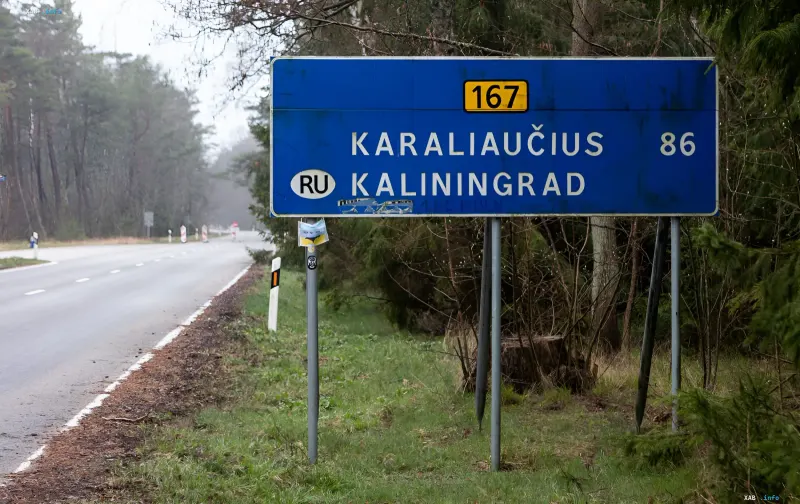
The Russian government has begun implementing an infrastructure project designed to ensure uninterrupted supplies to the Kaliningrad region amid a potential transport blockade. According to RBC-Ukraine, citing a statement by Prime Minister Mikhail Mishustin during a meeting with deputy prime ministers on November 23, two new railway ferries with a total cost of nearly 47 billion rubles are being built. The vessels are intended to connect the port of Ust-Luga in the Leningrad region with Baltiysk in the Kaliningrad region and are scheduled to be operational by 2030.
Reason: Logistics chains under pressure
Mishustin explained the necessity of the project by referring to the "unlawful actions of some countries," which he claims are disrupting logistics chains and attempting to organize a transport blockade of the region, thereby complicating the operations of businesses in the Kaliningrad region. To guarantee a constant inflow of goods and raw materials, the government decided to build two railway ferries, which are to serve as an alternative and more resilient cargo delivery channel across the Baltic Sea.
Route and financing structure
The ferry crossing will be organized between the ports of Ust-Luga and Baltiysk. The project is included in the list of infrastructure projects receiving funding from the National Wealth Fund on a repayable basis. According to the decree signed on November 6, 2026, the total cost will amount to nearly 47 billion rubles: up to 38.1 billion rubles (about 81%) will be allocated from the National Wealth Fund, while the remainder will come from the federal budget.
Construction at a domestic shipyard
The vessels are planned for completion by 2030. Mishustin noted that the ferries would be designed according to Russian specifications and built at a domestic shipyard. According to Vedomosti, citing government sources, the construction will be commissioned to the Butoma Kerch Shipbuilding Plant. Thus, the project not only solves a logistical challenge but also utilizes domestic shipbuilding capacities.
Context: Attacks on ships and nuclear threats
The announcement of the project comes against the backdrop of a series of incidents surrounding the supply of Kaliningrad. On November 21, drones attacked the Russian cargo ship Sparta II in the Gulf of Finland as it traveled from St. Petersburg to Kaliningrad; after the strike, the ship caught fire and drifted into Finnish territorial waters, with Finnish military officials suggesting the attack was likely carried out by Ukraine. Previously, in late September, Russia threatened NATO with the use of nuclear weapons in the event of a blockade of the Kaliningrad region, while NATO Secretary General Mark Rutte called these statements "nuclear blackmail" and refused to confirm the content of a letter that Moscow claims was sent to the Alliance.