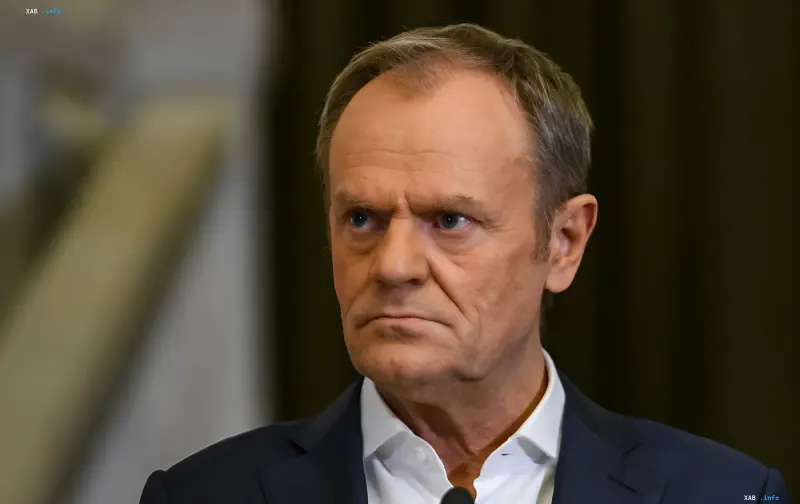
On the night of November 3, suspicious activity was recorded in the northern section of the Polish-Russian border, which Polish authorities classified as an attempted provocation by Russia. This was stated by Polish Prime Minister Donald Tusk during a meeting of the Council of Ministers, reporting on events unfolding near Sępopol in the Warmian-Masurian Voivodeship. According to him, shortly after midnight he received a report from the Border Guard about disturbing movement on the border — people with flashlights were spotted in the dark. The Polish side promptly mobilized forces and resources, as a result of which the border was not crossed, and the spotted individuals retreated deeper into the Kaliningrad Oblast.
Warning of Possible Sabotage in Early November
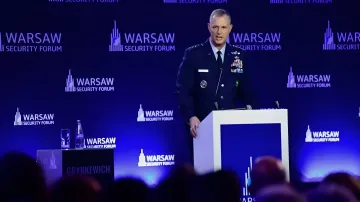
Tusk revealed that Poland had been warned about the likelihood of border incidents by both its own intelligence services and the intelligence agencies of allied states. According to his data, acts of sabotage or more serious provocations organized by hostile services, including the scenario of an armed incursion into Polish territory, were possible in the first days of November. Separately, the Prime Minister mentioned that a similar warning had been received from General Alexus Grynkewich, Supreme Allied Commander Europe (SACEUR). At the same time, as TRT clarifies, Tusk emphasized that authorities cannot definitively confirm whether the unknowns actually intended to organize a provocation.
Strengthening Security and Establishing a Special Operations Headquarters
In response to the received information, Polish authorities decided to deploy significant police and counter-terrorism forces on the border with the Kaliningrad Oblast and to strengthen border security. A special operations headquarters operating in the Warmian-Masurian Voivodeship and Podlaskie has been established at the National Police headquarters; the Border Guard is participating in its work. Tusk urged citizens to remain focused and ready to prevent potential provocations, noting that tension and escalation from Russia may continue.
Context: Hybrid Warfare and Risk of Further Escalation
The incident on the night of November 3 occurs against the background of earlier statements by Tusk himself that a new serious escalation is possible in the coming months as part of Russia's hybrid war against Europe. The Prime Minister uttered these words at the end of October. In addition, Warsaw had previously stated its readiness to consider moving border controls to its own territory due to security risks associated with the situation in Ukraine. The combination of these factors indicates that the Polish-Russian border sector remains one of the most tense zones on NATO's European flank.
Assessment of the Situation and Next Steps
At present, Polish authorities have not published a detailed report on the nature of the recorded activity and have not named the number of spotted individuals. The official position is that the border was not breached and mobilized forces prevented a potential incident. Further statements will apparently depend on the results of the work of the established special operations headquarters and coordination with allies within NATO.