Russian forces have been launching massive combined airstrikes against frontline Zaporizhzhia for three consecutive days, utilizing drones and upgraded guided glide bombs (KABs). The primary targets of this new wave of attacks are the city's strategic bridge crossings, which provide vital logistical and transport connections.
New Enemy Tactics and Bomb Modernization
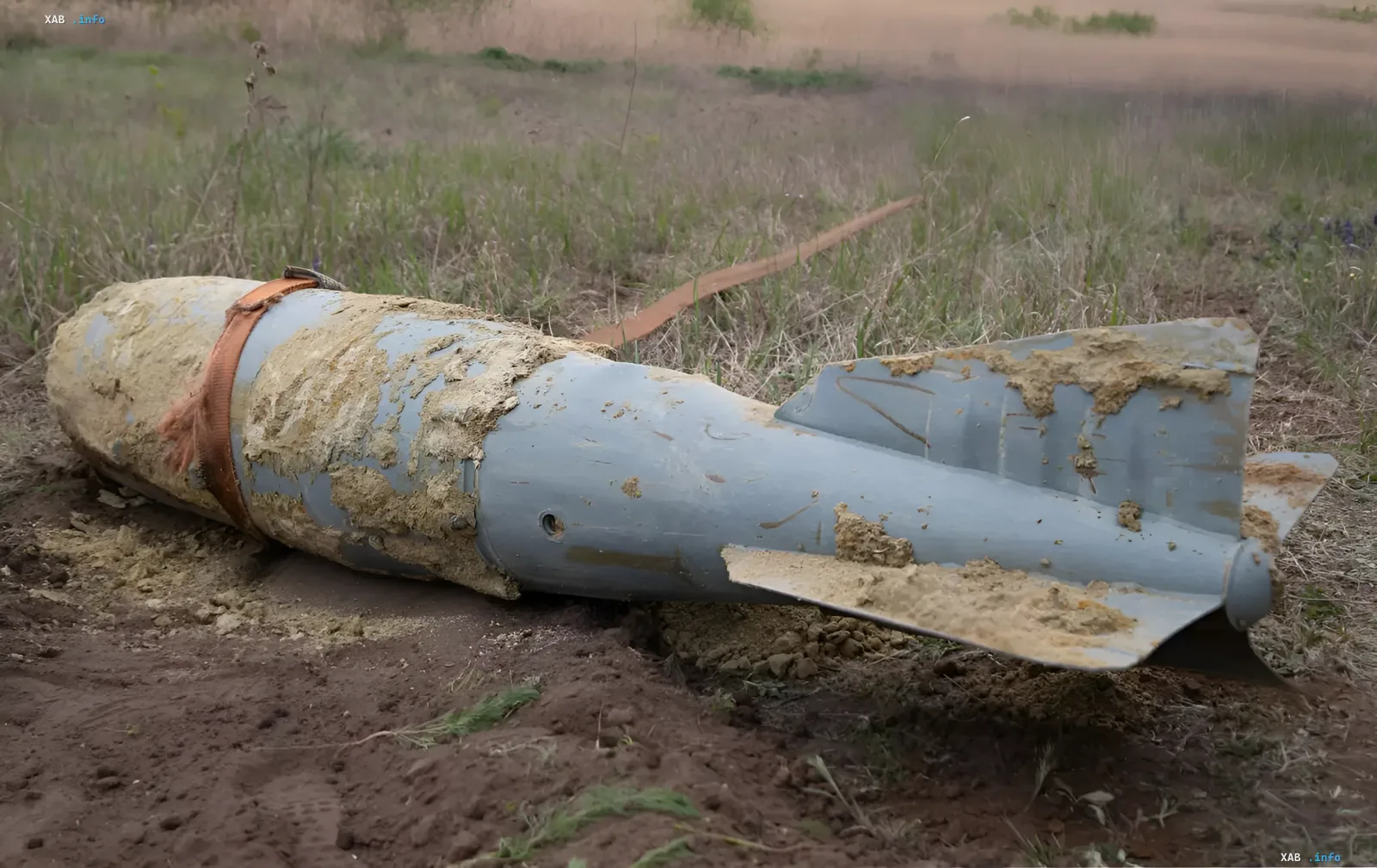
According to a statement by Mykhailo Semikin, the acting head of the Zaporizhzhia Regional Military Administration, during a briefing, Russian aviation is now capable of confidently reaching Zaporizhzhia directly. The tactical shift involves not only changing priority targets, but also technically improving the munitions themselves. Enemy military engineers are equipping glide bombs with additional jet engines, which significantly increases their flight range and gliding speed, while also helping them bypass existing electronic warfare (EW) systems.
Challenges for Ukrainian Air Defense and Technological Warfare
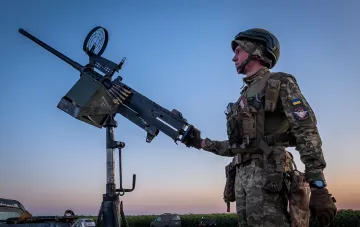
Regional authorities note that effective counteraction against these upgraded guided bombs requires specialized anti-aircraft missile systems. However, the key problem remains the disproportion: Russia's bomb stockpiles are practically unlimited, whereas Ukraine's resources of scarce strike assets and air defense systems have strict limits. Experts and officials openly call this a war of technologies that requires rapid adaptation and the delivery of additional air defense systems to cover critical infrastructure.
Aftermath of Recent Attacks on Transport Infrastructure
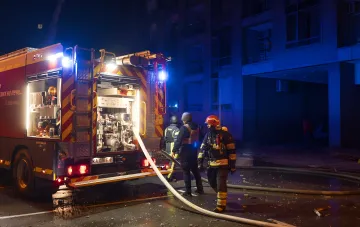
The intensification of strikes has already led to serious emergencies in the region. On October 7, Russian forces attacked a key transport infrastructure facility in the city. An even more large-scale strike was recorded on the morning of October 6, when the bridge across the Dnipro River in Zaporizhzhia came under fire. Traffic across the crossing had to be temporarily blocked, and at least five people were injured in the enemy raid. Local authorities continue to assess the damage and insist on enhanced security measures.