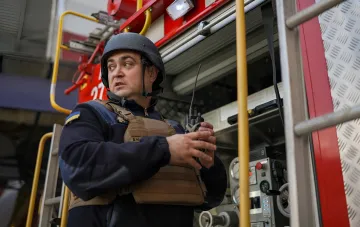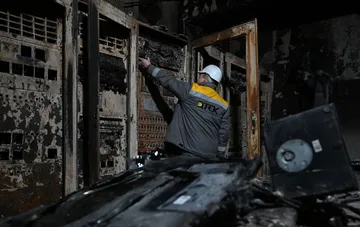
On October 11, 2026, Russian forces launched another targeted attack on Ukraine's critical infrastructure, striking Kyiv's energy grid. As a result of the hostile shelling, a high-voltage power transmission line was damaged, leading to large-scale disruptions in the capital's power supply. Local authorities and grid operators confirmed significant damage to a key energy facility that ensures stable power for several densely populated districts of the city.
Consequences of the Strike and Water Supply Situation
Kyiv Mayor Vitali Klitschko officially announced that due to the damage to the high-voltage line and the subsequent voltage drop in the grids, a sharp drop in water pressure was recorded in the city's water supply system. Water supply problems affected both the right and left banks of the Ukrainian capital. Municipal services have been put on high alert, though full restoration efforts are hindered by the ongoing threat of new air strikes.
Power Engineers' Reaction and Precautionary Measures
Representatives of the national energy company Ukrenergo reported that emergency crews are utilizing backup power schemes to switch consumers promptly. However, specialists will only be able to begin a full assessment of the damage and repair work after the official air raid alert is lifted. Authorities are urging Kyiv residents to minimize the use of energy-intensive electrical appliances to reduce peak loads on the surviving grids.
Contradictory Data
It is worth noting that various versions regarding the nature of the damage and accompanying destruction are circulating concurrently in the information space. For instance, several foreign and alternative sources spread information that civil infrastructure objects, including petrol stations (gas stations), were also damaged in the capital as a result of the incidents. At the same time, Ukrainian official agencies focus exclusively on the hit to the high-voltage line and strategic energy facilities ensuring the metropolis's survival.
Expert Context and Winter Preparation
The current attack has brought back discussions regarding the readiness of the municipal infrastructure for the 2026–2027 autumn-winter period. Earlier, relevant experts and political figures repeatedly voiced polar scenarios for the situation in Ukraine's energy sector—ranging from relatively mild conservation measures to critical scenarios if strike intensity persists. The expert community agrees that the stability of the capital's energy hub under current conditions depends on the promptness of repair teams and consumer discipline.