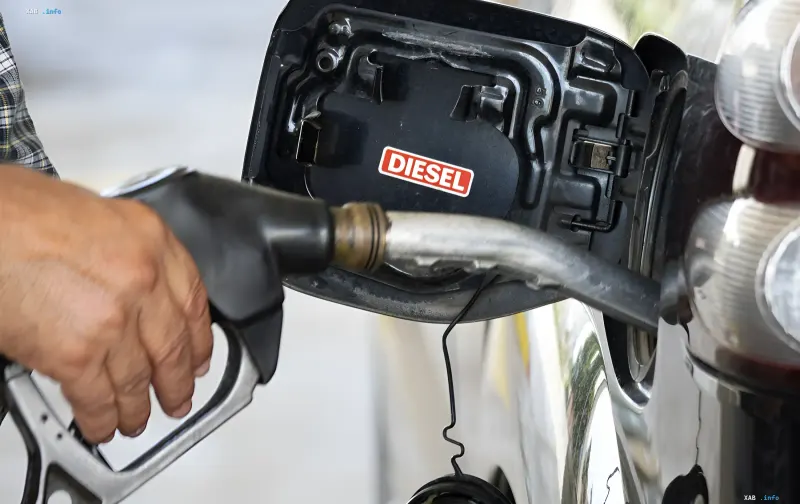
According to sources familiar with the situation, Russian authorities have reached a general understanding on continuing restrictions on diesel fuel exports. Among the options under discussion is extending the current ban for another month or even for a longer period. As the publication's sources note, the decision is being made against the backdrop of persistent problems with oil refining and ongoing strikes on refineries, which have pushed the country's refining volumes to their lowest levels in several years.
Timeline of restrictions: from “a few weeks” to the end of September
The ban on diesel fuel exports was introduced by Moscow in July 2026 following a wave of strikes on Russian refining infrastructure. Initially, the restrictions were planned to last only a few weeks, but because the strikes on refineries did not stop, they were successively extended — first until the end of August, and then until the end of September. As recently as last week, according to available information, Moscow was considering a new one-month extension.
Impact on the global market and logistics
Before the restrictions were introduced, Russia supplied about 10% of global seaborne diesel fuel deliveries. Removing such a volume from the international market further exacerbated supply problems, including against the backdrop of fuel disruptions from the Middle East. According to Bloomberg's assessment, the Middle East conflict removed more diesel from the market than the Russia-Ukraine war. The situation is compounded by oil and fuel supply disruptions, as well as logistical difficulties: a shortage of available supertankers, according to the same publication, is already raising the cost of oil transportation and creating additional risks for global supplies. Under these conditions, a further extension of Russia's export restrictions could become an additional factor pressuring the global diesel market.
State of refining after the strikes
Earlier, the General Staff reported that as of September 21, following the strike on the Moscow refinery, more than 45% of Russia's designed refining capacity had been taken out of operation. The department also announced a reduction in the production of Euro-5/K5 standard gasoline and diesel fuel in Russia. It is precisely these data that form the background conditions in which the further extension of the export ban is being discussed.
Contradictory data
There is a discrepancy in the sources regarding the wording of the decision's status. A number of publications (including those citing Bloomberg) describe the situation as a discussion and consideration of the possibility of extending the ban for another month, i.e., as a process not yet completed at the time of publication. At the same time, other outlets report that the government has already decided to extend the diesel export ban. In addition, some materials point to a several-fold increase in diesel fuel exports to neighboring countries, which at first glance contradicts a full export ban; presumably, this refers either to the period before the restrictions were introduced or to supplies to countries not covered by the ban. These discrepancies in dates and wording require clarification during further verification.