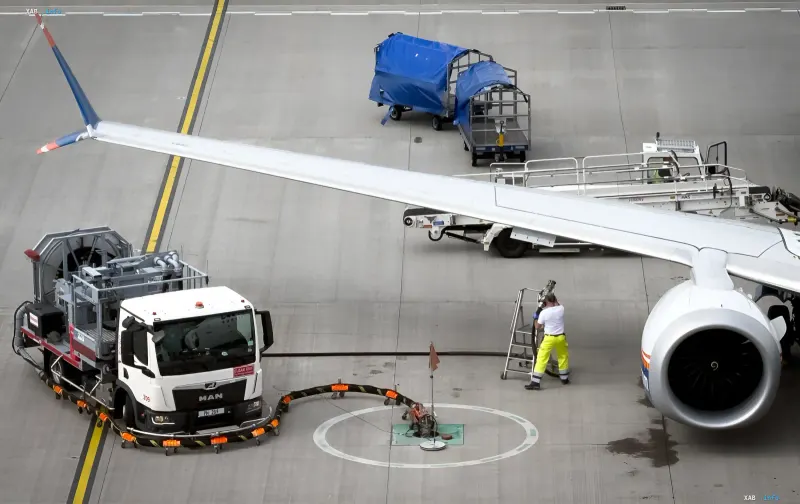
The Russian government has decided to extend the ban on the export of most types of aviation fuel for four months. The restrictions, initially introduced in June 2026 and formally set to run through the end of November, will now remain in effect until March 31, 2027. The Russian Cabinet explained the move by the need to "maintain reliable and uninterrupted fuel supplies to the domestic market." An exception has been made only for supplies under intergovernmental agreements.
The Reason — Strikes on the Oil Refining Industry
The official reason for extending the embargo has been continuous Ukrainian attacks on Russian oil refineries. According to analytical firm Rystad Energy, these strikes have caused Russia's oil processing volumes to drop to their lowest level in over two decades. In late October 2026, Kyiv launched a new wave of refinery attacks aimed at reducing Moscow's energy revenues and raising the cost of waging war for the population.
Jet Fuel Export Is Not a Key Item
It is important to consider that Russia is not a major supplier of aviation fuel to global markets. According to Bloomberg, citing analytical firm Vortexa, export volumes averaged about 30,000 barrels per day in 2025. Thus, the extension of the ban is primarily aimed at protecting the domestic market rather than limiting external supply.
Domestic Shortage and Control at Gas Stations
Fuel problems are also being recorded inside the country. As RBC-Ukraine reported, a gasoline shortage re-emerged in Russia in August 2026: authorities stepped up control over fuel sales at gas stations in at least ten regions. The cause is attributed to fresh refinery strikes and seasonal demand growth.
Context: Strikes on Fuel Infrastructure
Against this backdrop, in late October, Ukrnafta CEO Bogdan Kukura spoke about attacks on the company's gas station network. According to him, about 100 such attacks were recorded in 2022–2025, and over 150 in 2026 alone, though this did not cause a fuel shortage in Ukraine. The combination of these factors paints a picture where the extension of the jet fuel export ban looks like a forced measure by Moscow to stabilize the domestic fuel market.