Unexpected fulfillment of the state defense order: 'Zircon' and 'Onyx' are ready
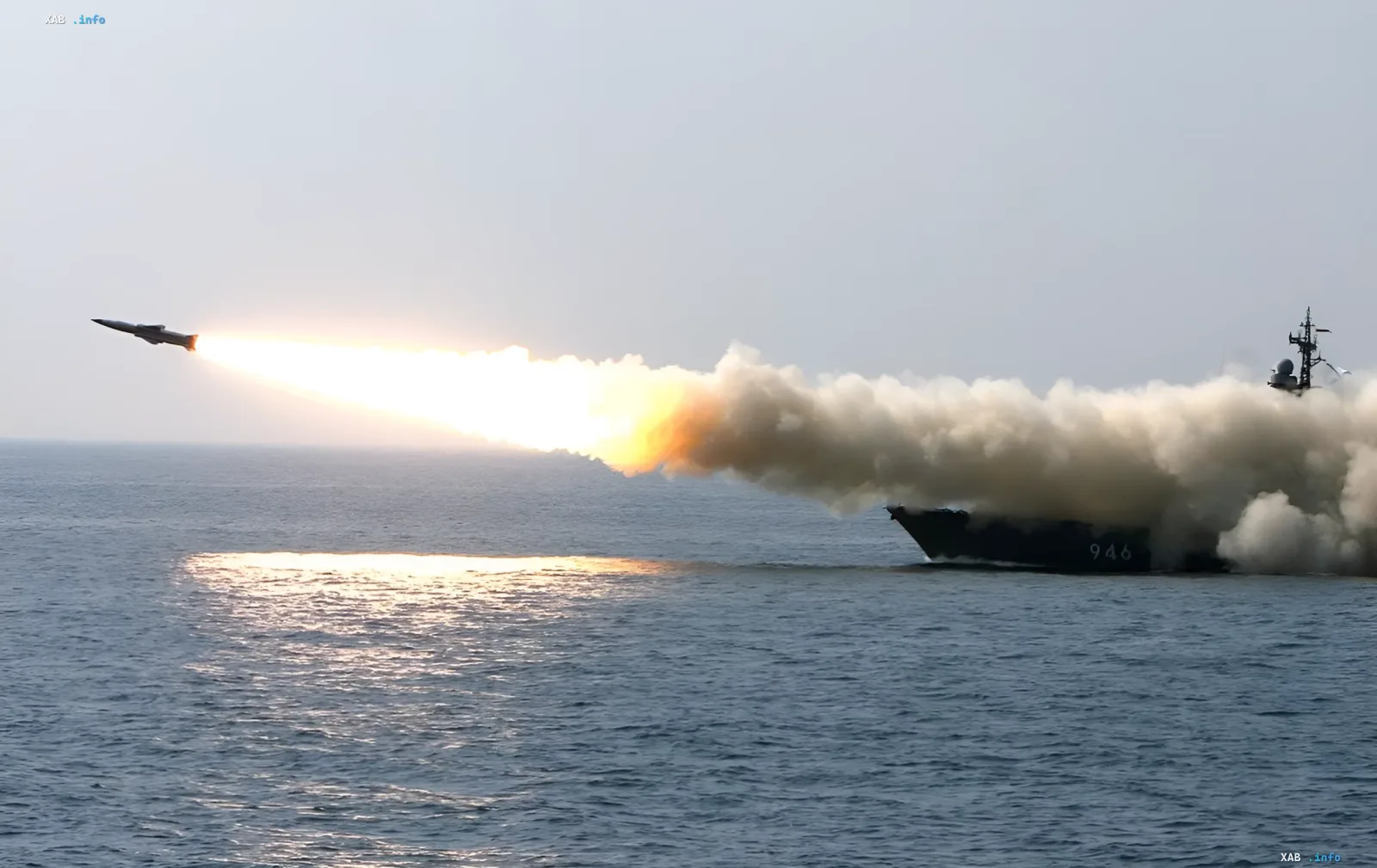
As of August 3, 2026, Russian industry has already fully fulfilled the annual production plan for 'Zircon' hypersonic missiles and 'Onyx' cruise missiles established under the state defense order. This is reported by the RBC-Ukraine publication, citing data from the Main Directorate of Intelligence (GUR) of the Ministry of Defense of Ukraine. Experts note that production rates exceeded 100% of the planned volume as early as the summer period, indicating a high workload on Russian defense enterprises and their ability to exceed planned indicators.
According to the data obtained, both types of missiles were originally developed and created as anti-ship weapons. However, during the conflict, their application was significantly expanded: after modernization and adaptation of guidance systems, Russia began actively using them to strike ground targets, including infrastructure objects and military positions on the territory of Ukraine.
Strategic reserve and monthly production volumes
Earlier, external advisor to the President of Ukraine Serhiy Flesch Beskrestnov stated that Russia had accumulated a strategic reserve of several hundred ballistic missiles and continues to regularly replenish this arsenal through its own production. According to his estimates, Russian factories produce about 60–70 'Iskander' missiles monthly, while also continuing the production of missiles for S-400 systems and hypersonic 'Zircons' — totaling up to 100–150 new missiles per month. These data confirm that Russia is not only fulfilling the plan but also creating reserves for future operations.
Contradictory data
There are discrepancies in estimates of production rates and the actual volume of accumulated reserves. On the one hand, the GUR claims that the plan for 'Zircons' and 'Onyxes' has been fulfilled ahead of schedule. On the other hand, independent analysts and Western sources indicate that exact figures may be exaggerated due to a lack of transparency in the Russian defense industry. Furthermore, some experts doubt Russia's ability to maintain such rates in the long term without compromising product quality or due to a shortage of components.
Response of Ukrainian air defense and defense challenges
The Air Force of the Armed Forces of Ukraine reported that in July 2026, Ukrainian air defense intercepted more than 5,300 drones and missiles during the repulsion of mass attacks. Despite high interception rates, the military emphasize that ballistic missiles remain the key challenge for Ukrainian air defense. Their high speed, maneuverability, and difficulty of detection make them particularly dangerous, especially in the context of mass strikes.
Prospects for escalation and lack of a pause
An analysis of the current situation suggests that Russia does not plan to reduce the intensity of missile strikes. On the contrary, the fulfillment of the annual missile production plan and the availability of significant reserves indicate readiness to continue active actions. As Vadym Skibitsky from the GUR notes, 'a pause in strikes is unlikely' — this means that the Ukrainian side must be prepared for new waves of attacks in the coming months, especially in the context of a possible spring-summer offensive, which the GUR previously announced.