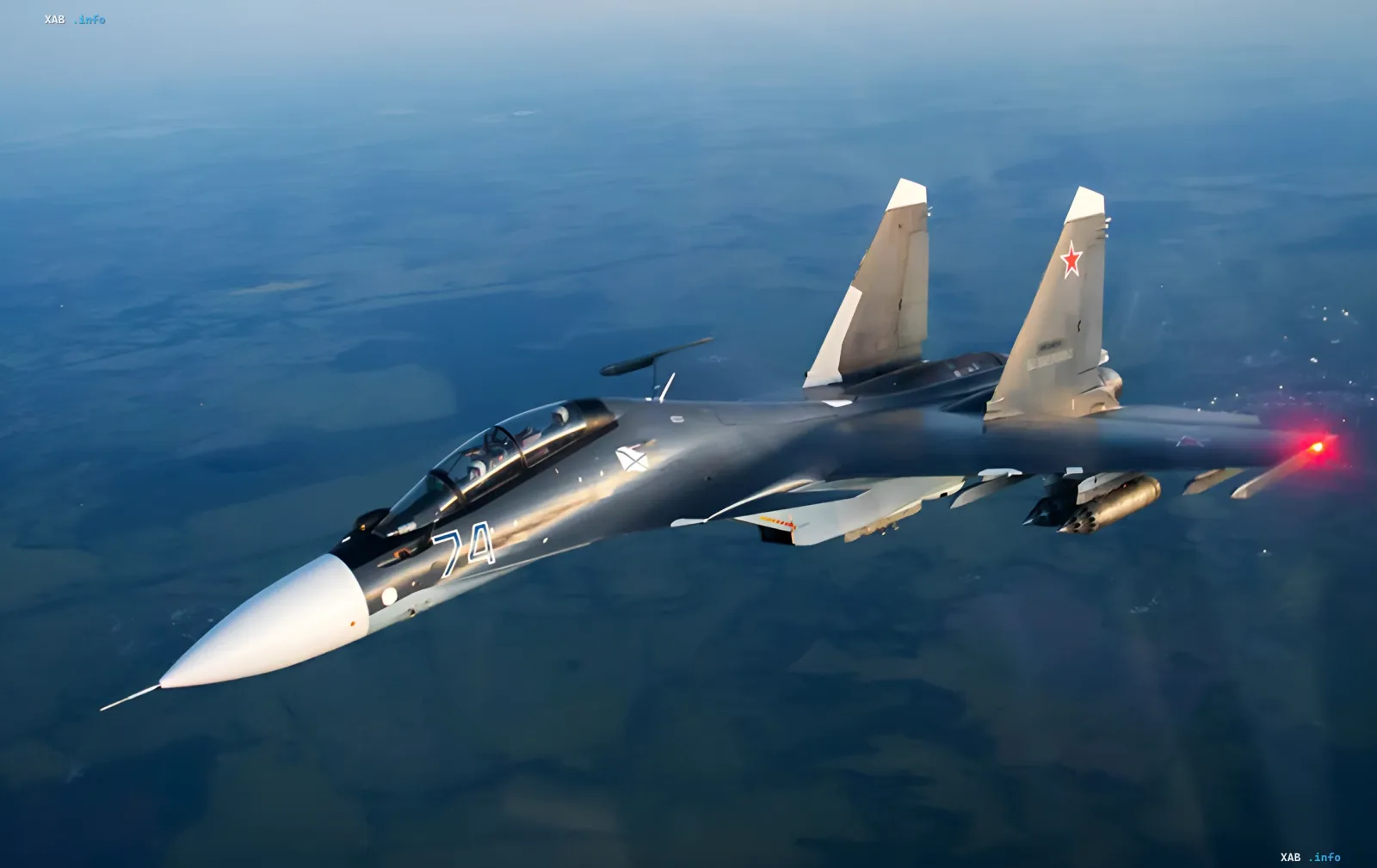
The Main Directorate of Intelligence (GUR) of the Ministry of Defense of Ukraine reports a systemic shortage of aviation kerosene in Russia, which, according to the agency, is forcing the Kremlin to purchase foreign Jet A-1 fuel. As reported by RBC-Ukraine citing the GUR, the cause is a significant decline in domestic aviation kerosene production against the backdrop of a series of strikes on Russian oil refineries. The illustration accompanying the material shows a Russian Su-34 multirole fighter-bomber, a typical consumer of aviation fuel within the Aerospace Forces, which visually underscores the military aviation's dependence on uninterrupted fuel supply.
Strikes on Refineries and the Squeeze on Domestic Production
According to Ukrainian military intelligence, successive attacks on oil refining capacity have led to a situation where domestic aviation kerosene resources are insufficient both for escalating aerial strikes on Ukrainian territory and for ensuring civilian transport. Under these conditions, the GUR claims that Russia has officially introduced a temporary ban on the export of its own aviation fuel — a measure that, in the agency's logic, itself testifies to the strain on the domestic market and an attempt to retain fuel for priority consumers.
Shadow Fleet and Supplies from South Korea and Egypt
Intelligence has established that, to make up for the shortage, Russia has deployed a shadow fleet: three tankers, according to the GUR, delivered a total of 70,000 tonnes of Jet A-1 fuel to the ports of Saint Petersburg and Vladivostok, shipped from South Korea and Egypt. The use of "gray" routes and foreign ports, the agency assesses, is characteristic of logistics that Moscow prefers not to publicize in official import statistics.
Compatibility of Jet A-1 with Soviet-Russian Equivalents
The key technical argument in favor of the claim that imported fuel genuinely meets the needs of the Aerospace Forces, the GUR cites the full compatibility of Jet A-1 with the Soviet-Russian equivalents TS-1 and RT. This means that foreign kerosene can be used in existing engines and fuel supply systems without modification, making the logistical substitution virtually seamless for operators of combat and transport aircraft.
Contradictory Data
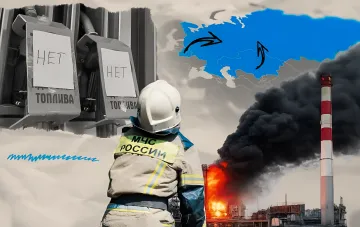
Here it is important to honestly distinguish between two levels of information. The context of the fuel crisis — the closure of gas stations, limits, and supply disruptions reportedly in 16 regions of Russia — is corroborated by an independent publication in a business outlet, which makes the fact of pressure on the fuel market more reliable. However, the specific import figures — "three tankers," "70,000 tonnes," "South Korea and Egypt" — rest on a single source: the assessment of Ukrainian military intelligence. The Russian side has not publicly confirmed these parameters, and independent verification of the routes and volumes is absent from open data. Thus, the broad claim of a shortage and import is supported, while the precise logistics remains the intelligence assessment of a single agency.
Broader Context: Negotiations on Strikes and a Revealed Biolab
In parallel, the intelligence and political tracks of Ukraine, according to available statements, are developing in several directions. The Head of the President's Office of Ukraine, Kyrylo Budanov, previously noted that attempts were made to agree with Russia on a mutual cessation of long-range strikes, in which he personally participated; however, in his words, no result was achieved due to the opposing side's position. Separately, Ukrainian intelligence reports the uncovering of a secret complex on the closed island of Lisyi in Tver Oblast, which, according to their data, is under the control of the FSB and was used for research involving a lethal pathogen. These storylines, while not directly linked to the fuel issue, paint a broader picture of intelligence confrontation within which Russia's dependence on imported aviation fuel is being tracked.