The United Kingdom's naval forces carried out a 72-hour operation to track Russian vessels transiting the country's territorial waters. According to The Guardian, as cited by RBC, 360.ru and Delfi, intensive monitoring was conducted last week: radars tracked four vessels moving from the North Sea into the English Channel. The operation became one of the longest episodes of the ongoing interaction between the two fleets in the waters off the British coast.
The Course of the 72-Hour Operation
According to officials, the fleet was monitored by the ships HMS Duncan, HMS St Albans and HMS Severn, with air support provided by a Merlin helicopter. It was precisely the combination of surface units and aviation that allowed the convoy to be kept under continuous radar control for three days. The British side emphasizes that this was not an interception but a monitoring and documentation of the vessels' route in national waters.
Composition of the Russian Convoy
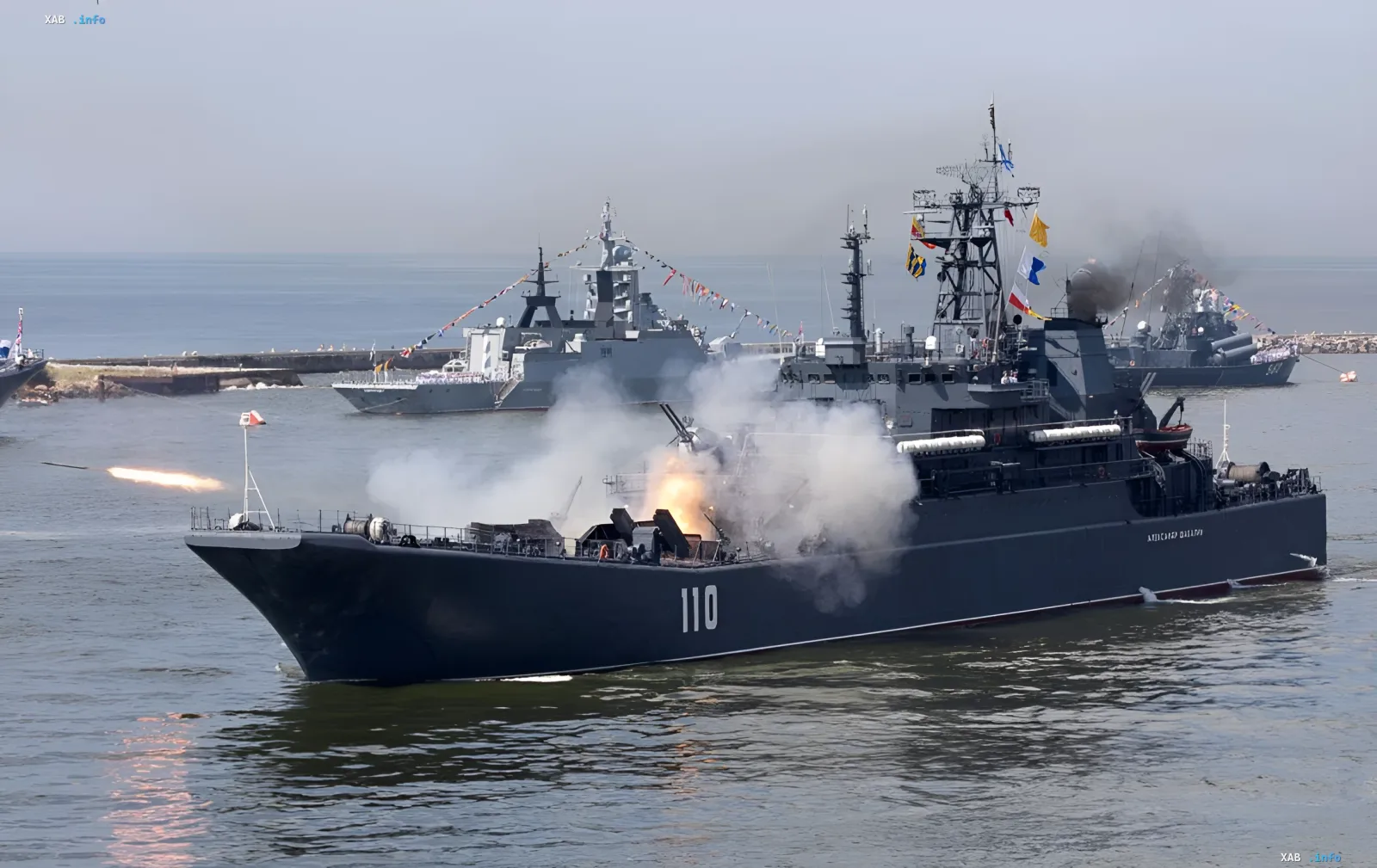
The focus was on the destroyer Admiral Levchenko, which, according to The Guardian, was escorting the sanctioned cargo vessels General Skobelev and Sparta. The convoy was heading toward Dover. In response, Russia deployed its own military resources, including the frigate Neustrashimy, to guard the cargo. Thus, under British radar observation were four vessels — two military and two civilian under sanctions.
London's Official Position
The General and First Sea Lord, Gwyn Jenkins, stated that "there is no room for complacency," as shadow-fleet vessels continue to pose an "unacceptable threat" to Britain's security. In his words, this approach, in conjunction with allies, "forces Moscow to divert Russian warships from their primary purpose" and demonstrates London's readiness to act again if necessary.
Contradictory Data
Publications from different outlets contain discrepancies in how the events are characterized. RBC and the original The Guardian text emphasize the "tracking" and "monitoring" of the vessels, while Delfi describes the same actions as a "military operation in the English Channel against Russian ships." In addition, there is a nuance in the chronology: the 72-hour operation refers to last week (mid-to-late August 2026), whereas the Charter97 material of 3 August 2026 describes an earlier, systemic picture — the "near-daily" sortieing of the British fleet to meet Russian ships. In other words, the one-off three-day action fits into a broader, recurring pattern of interactions rather than being an isolated incident.
Strategic Context: Fleet Restructuring
The operation in the English Channel is taking place against the backdrop of a shift in London's naval doctrine. In June, it became known that Britain is radically changing its strategy for updating the Royal Navy, abandoning the construction of new destroyers in favor of modern hybrid vessels with drones. Earlier, in April, the media reported on the creation of a new naval alliance with the participation of allies from Northern Europe, whose main stated goal is readiness for immediate combat operations. Thus, the three-day shadowing of the Russian convoy becomes a practical test of the new approach to deterrence in the waters of the English Channel.