Against the backdrop of a series of incidents on its territory, the European Union is preparing a new package of countermeasures against Russia. According to Bloomberg sources familiar with the closed negotiations, representatives of member states will convene in the coming weeks to discuss specific proposals for tightening restrictions. The exact parameters of the measures, sources say, are still under discussion and have not been finalized.
Visas, Diplomats, and Shadow Fleet: Three Avenues of Pressure
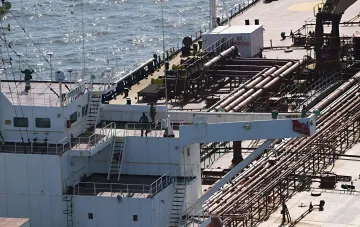
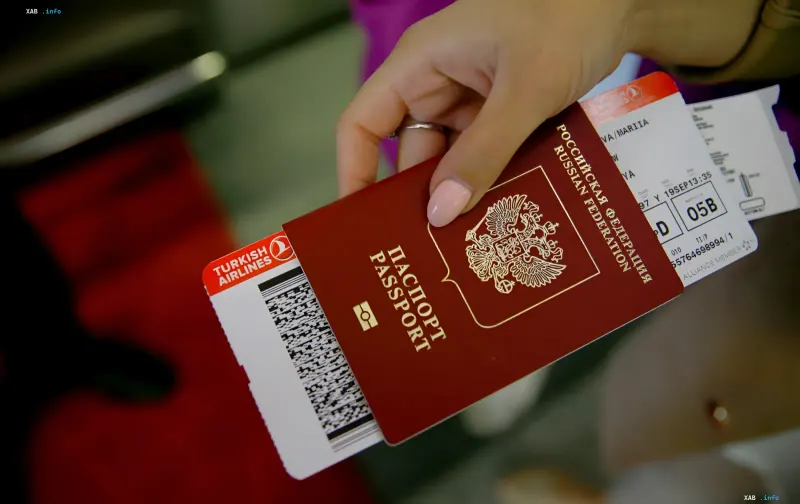
Among the options under consideration are three main directions. The first is tightening restrictions on the issuance of tourist visas to Russian citizens, which could significantly hinder Russians' travel to bloc countries. The second is restricting the movement of Russia's diplomatic corps within the EU, which would effectively narrow the operational space of embassies and consulates. The third is expanding sanctions pressure on vessels of the so-called "shadow fleet," namely tankers used to transport Russian oil in circumvention of Western price caps and logistical bans.
The Incidents That Served as a Trigger
The direct trigger for a new round of warnings from European leaders was the drone incident in Leipzig. Recently, Moscow has also been linked to an explosion on a railway and at a factory in Poland, as well as a suspected plot to sabotage an Italian industrial facility. In Brussels's assessment, the cumulative effect of these events points to growing Russian hybrid activity on the bloc's territory.
Reaction from European Leaders
Irish Prime Minister Michael Martin stated on Thursday that Russia is "becoming more reckless" on EU territory. European Commission President Ursula von der Leyen, the day before, called on European countries to take into account the "new reality." "Europeans have faced the bitter truth that this is the new normal," she told journalists, emphasizing that, in her view, the period of adaptation to hybrid threats from Moscow has already ended.
Germany Acted First
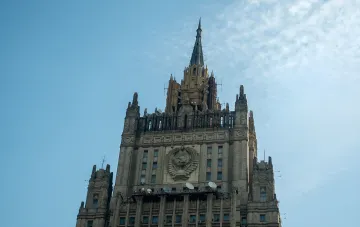
Berlin did not wait for a Europe-wide decision and took a number of independent countermeasures in response to the attempted sabotage in Leipzig. The federal government closed the Russian consulate general in Bonn, canceled the agreement on building a cultural center in Berlin, tightened restrictions on Russian citizens, increased pressure on the shadow fleet, and initiated discussions on Europe-wide sanctions. In addition, Germany pledged that Ukraine will receive missiles and thousands of drones to counter Russian aggression.
Contradictory Data
The provided sources show discrepancies in the scope of the sanctions measures. The main text and Bloomberg data focus on three directions — visas, diplomats, and the shadow fleet. At the same time, the Korrespondent source describes a broader package, including a blow to Russia's banks and defense industry. This may indicate that the discussion involves both already-adopted and new elements of the sanctions architecture, or that different sources are recording different stages of the same process. The exact chronology and the full list of measures included in the "upcoming package" were not disclosed by any party at the time of publication.