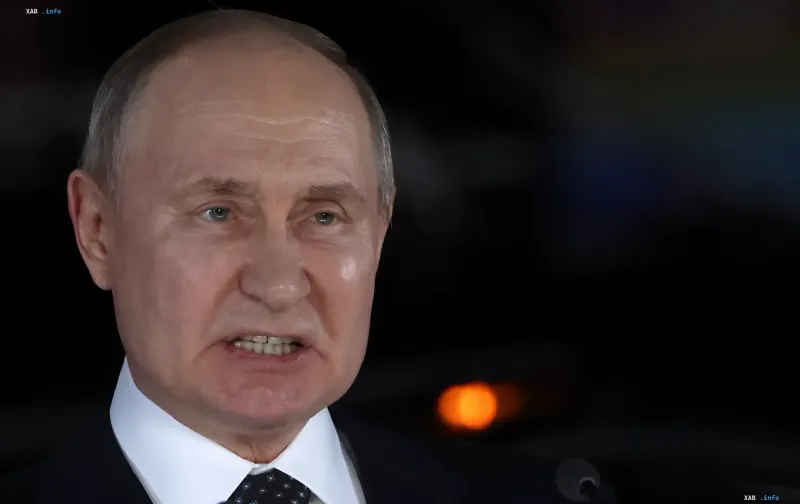
On August 12, 2026, Vladimir Putin, addressing the nation and allies, articulated Moscow's firm stance regarding the actions of the European Union in the sphere of maritime transport. The head of the Russian state directly stated that Russia is ready to apply 'mirror' measures in response to Western attempts to seize Russian merchant vessels. According to Putin, the actions of Brussels aimed at confiscating property and detaining ships are nothing but 'piracy and robbery,' which threatens international maritime law.
Escalation of the conflict: from words to actions
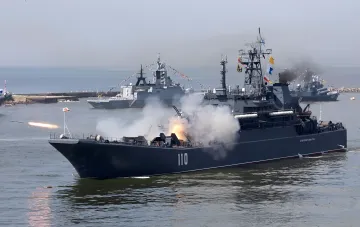
The President of the Russian Federation emphasized that Russia will not remain inactive if other countries begin to implement plans to seize Russian ships in practice. 'Recently (in the European Union – ed.), they came up with the possibility of seizing our ships and selling the property looted from us. Of course, this is nothing other than piracy and robbery. And if this begins to be implemented in practice, we will be forced to respond in kind,' the publication 'Izvestia' quotes Putin. This statement became a direct response to a series of EU decisions made during 2025–2026 aimed at strengthening control over Russia's 'shadow fleet.'
Context: Operation IRINI and new EU sanctions
The background to Putin's threat was a statement by the head of European diplomacy, Kaja Kallas, made on June 8, 2026. As part of Operation IRINI — an EU mission to ensure shipping security in the Mediterranean Sea — EU member states were allowed to board ships if there were reasonable suspicions of violating international norms or concealing the origin of the cargo. In July 2026, the EU added another 41 ships to the list of restrictions against Russia's 'shadow fleet,' banning them from accessing ports and maritime services. Furthermore, Brussels legalized the sale of Russian oil confiscated from ships attempting to circumvent sanctions.
Contradictory data
While Russian sources (including 'Izvestia', TASS, Life.ru) unanimously report Putin's direct threat regarding the seizure of Western ships, European officials have not yet commented directly on this statement. Some analysts note that the phrasing 'mirror response' may be a rhetorical device aimed at demonstrating determination rather than a real plan of action. At the same time, other experts point out that Russia already has experience applying similar measures in the past, making the threat potentially real. Thus, there is a discrepancy between the official position of Moscow and the lack of public reaction from the EU.
Consequences for world trade
If Russia really begins to apply 'mirror' measures, this could lead to serious destabilization of global maritime transport. The seizure of Western merchant vessels in international waters or in areas controlled by Russia would set a precedent that could trigger a chain reaction of retaliatory actions by other countries. This could also increase pressure on insurance companies, shipping lines, and port operators forced to choose a side in the escalating conflict.
International reaction and prospects
At the moment, the international community is awaiting further steps from both Moscow and Brussels. The UN and other international organizations may be forced to intervene to prevent escalation. However, given the current geopolitical tension, the likelihood of a peaceful settlement remains low. In the coming weeks, it will become clear whether Putin's statement is merely diplomatic pressure or the beginning of a new phase of economic and moral confrontation.