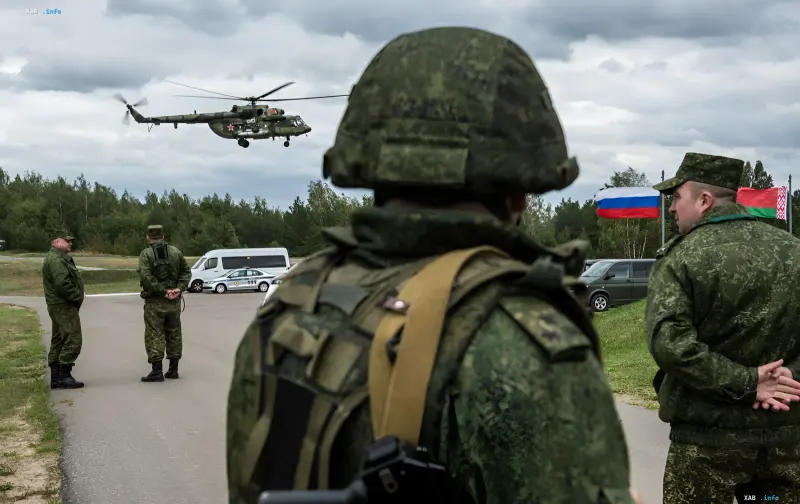
The Russian leadership intends to significantly increase funding for the military sector. According to government budget documents, allocations for these purposes in 2027 are planned to reach a record 17.1 trillion rubles, which is equivalent to about 202.6 billion US dollars. This figure demonstrates an unprecedented growth of approximately 27% compared to the initial plans laid down in the state's financial framework.
Record Figures of the Military Budget
According to the authoritative agency Reuters, which analyzes budget projections, the planned expenditures will be the highest since the beginning of the full-scale military conflict in 2022. In total, over the next three years, the authorities of the Russian Federation intend to spend about 50 trillion rubles on the defense sector. It is worth noting that the exact volume of military expenditures for the current year 2026 has been classified by the authorities, although earlier it was assumed that 12.1 trillion rubles would be allocated, some of which underwent internal reallocations.
Load on the Financial System and Deficit
Large-scale militarization of the economy entails serious macroeconomic consequences. The Russian government was forced to revise its budget deficit forecast for 2026, increasing it to 3.2% of GDP from the previously projected 1.6%. Total treasury expenditures are set to jump by 13.2% and reach 48.6 trillion rubles. To patch holes in the budget, plans are underway to increase net borrowings to 5 trillion rubles and utilize 459 billion rubles from the National Welfare Fund reserves against the backdrop of falling oil and gas revenue forecasts.
Contradictory Data
While official Russian documents record a systematic increase in nominal defense expenditures and public debt, which may reach 21.7% of GDP in 2027, independent international experts and analytical centers point to hidden budget items. According to estimates by several institutions, a portion of classified expenditures may be disguised under closed or law enforcement categories, which significantly complicates the audit of the real volume of militarization. In addition, plans to introduce a new windfall tax for metallurgical and mining companies are designed to bring in about 200 billion rubles annually, but the business community expresses concerns over the deterioration of the investment climate.
Measures to Replenish the Treasury and Consequences
To cover growing obligations and secure gigantic borrowing volumes, which will grow by another 43% to 7.7 trillion rubles in 2027, the authorities are preparing a large-scale tax reform. The fiscal burden on the commodity sector and heavy industry is expected to increase. Against this background, international analysts note long-term risks to the stability of the country's financial system, which is forced to function under severe sanctions restrictions and a permanent budget deficit.