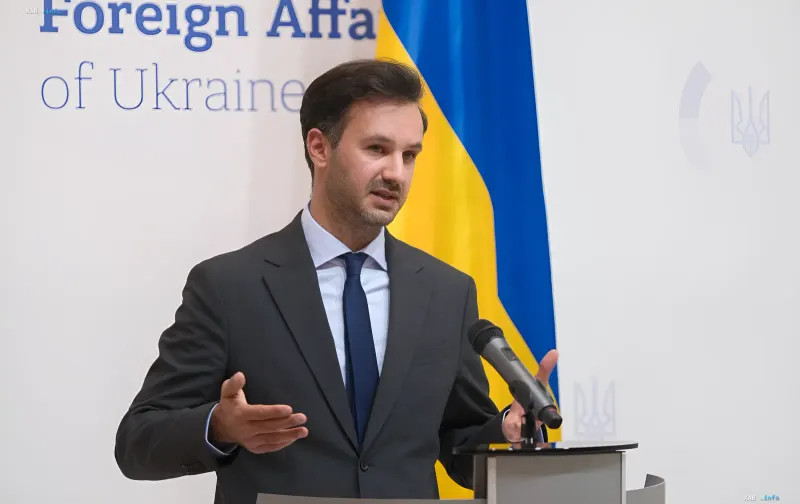
During the presentation of the report by the Center for Countering Disinformation (CCD), spokesperson for the Ministry of Foreign Affairs of Ukraine Heorhii Tykhyi stated that Russia is creating conditions and conducting information preparation for a potential invasion of NATO's eastern flank countries. According to him, it is currently impossible to accurately forecast whether Moscow will decide on a direct attack, but he emphasized that the process of forming the prerequisites for such a scenario has already been launched.
"The preparation is happening informationally — that's for sure"
"No one really knows whether there will be an invasion of these countries or not, but it is absolutely certain that both conditions are being created and a certain preparation is underway informationally," Heorhii Tykhyi stated. The diplomat noted that he considers information support and public opinion shaping as the first, already implemented stage of preparation, even in the absence of a public decision on a direct attack.
Return to the rhetoric of diplomatic ultimatums
The MFA representative identified Russia's return to the rhetoric of diplomatic ultimatums as one of the main threatening factors. According to him, Moscow is again trying to impose a discussion on a new "European security architecture," which resembles the events of December 2021, when the Kremlin demanded that NATO return to its 1997 borders. Tykhyi characterized this as a classic tactic of creating a false pretext for aggression: to issue pre-emptively unacceptable demands, receive a rejection, and use it as a justification for an attack.
"Security has long existed"
"What security? It has long existed; there is no need for any new European security architecture. It is enshrined in the Helsinki Final Act, the Charter of Paris, and the Charter of Istanbul. And Russia signed these three documents, but violated them itself," the MFA spokesperson noted. Thus, the Ukrainian side insists that a legitimate security system already exists and is not subject to revision under the pressure of ultimatums.
The sequence of steps Kyiv insists on
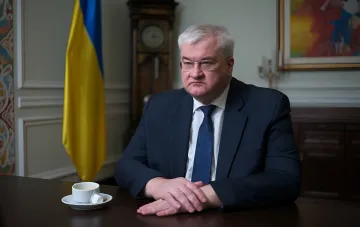
Kyiv insists on a clear sequence of diplomatic steps: first, a ceasefire in Ukraine; next, negotiations on security guarantees and a peaceful settlement for Ukraine; and only after that, a discussion on how to ensure security for the rest of Europe, not the other way around, as the Kremlin is seeking, according to Tykhyi. The spokesperson recalled that Foreign Minister Andrii Sybiha had already raised this issue at the international level, calling on partners to take Russian information campaigns as seriously as possible. On November 15, Sybiha criticized the Kremlin's attempts to impose a revision of the security architecture in Europe, stating that the Russian leader "sees himself in Yalta in 1945 in his dreams," although, he said, Russia has not achieved the goals of its invasion of Ukraine and has no right to dictate new security rules.
Context: disagreements within NATO
Moscow's attempts to exert pressure on the Alliance are taking place against the backdrop of internal discussions within the bloc itself. As Western media reported, tension is growing in NATO due to the war in Ukraine and disputes between allies over defense spending. Due to these disagreements, according to the same sources, the Alliance decided to reduce the number of high-level meetings and cancel the leaders' summit in Albania. Against this background, Kyiv's statements about the need for a consistent diplomatic track that cannot be swayed by pressure sound like an attempt to establish a priority order before potential negotiations begin.