Massive attack: ballistic missiles, SAMs, and drones
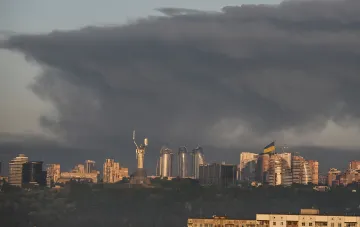
On the night of August 8, 2026, Russia carried out one of the largest air attacks in recent months. According to the Ukrainian Air Force, the enemy used 'Iskander-M' ballistic missiles, S-400 surface-to-air missiles (used as cruise missiles), and dozens of attack drones. The attack targeted key infrastructure and civilian centers, including Kyiv, Kyiv region, as well as regions in the south and east of Ukraine.
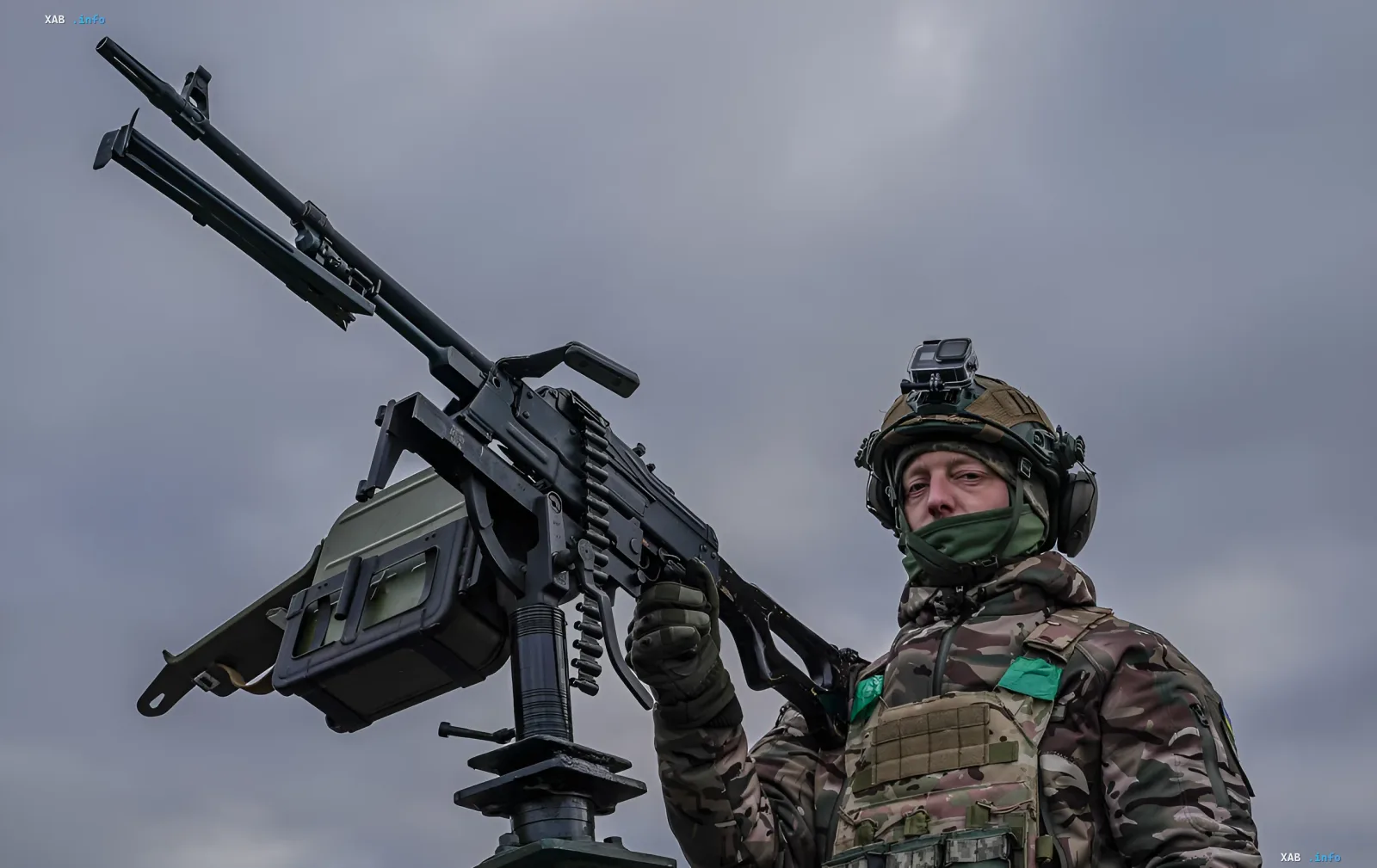
According to official reports, Ukrainian air defense forces managed to shoot down or suppress 135 enemy drones. However, as the military admits, the 'Iskander-M' ballistic missiles were launched at high speed and low altitude, making their interception practically impossible for current air defense systems.
Consequences of the strikes: casualties and destruction
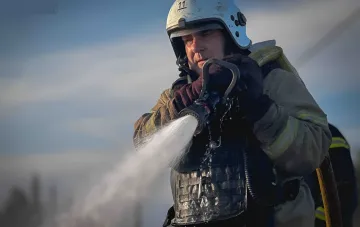
As of 09:00 on August 8, 12 locations were recorded where missiles and drones hit. In Kyiv, in the Holosiivskyi district, a fire broke out in a non-residential area. In the Obolonskyi district, fuel tanks caught fire — information on the scale of damage is being clarified. In the Brovary district of the Kyiv region, a private residential house, outbuildings, and a car were damaged by falling debris. Three people died, including a child. Rescue services continue to work at the sites of the strikes.
Contradictory data
Official sources of the Armed Forces of Ukraine report 135 drones shot down, however, independent observers and some regional authorities indicate that the actual number of attacking drones could have been higher — up to 160–170 units. In addition, there are discrepancies in the assessment of the effectiveness of intercepting ballistic missiles: the Russian Ministry of Defense claims that all 'Iskanders' reached their targets, while Ukrainian experts believe that some missiles could have been shot down at the final stage of flight, but were not recorded due to the lack of radar tracking.
Reaction and prospects
The Ukrainian command has already begun analyzing vulnerabilities in the air defense system, especially in terms of countering ballistic missiles. It is expected that additional measures will be taken in the coming days to strengthen the protection of critical infrastructure. The international community, including the EU and the US, condemned the attack and declared its readiness to provide additional air defense systems, including Patriot and IRIS-T.
Conclusions and analysis
The attack on August 8 demonstrates the evolution of Russian tactics: a shift from massive drone strikes to combined attacks using ballistic missiles and surface-to-air missiles. This creates new challenges for the Ukrainian defense. Despite the success of the air defense in intercepting drones, the problem of ballistic missiles remains critical. In the long term, Ukraine needs modern anti-ballistic missile systems capable of intercepting missiles at high altitudes and long distances.