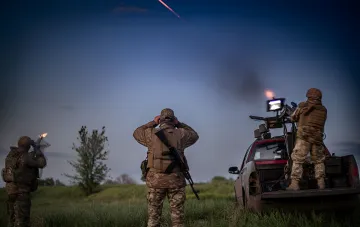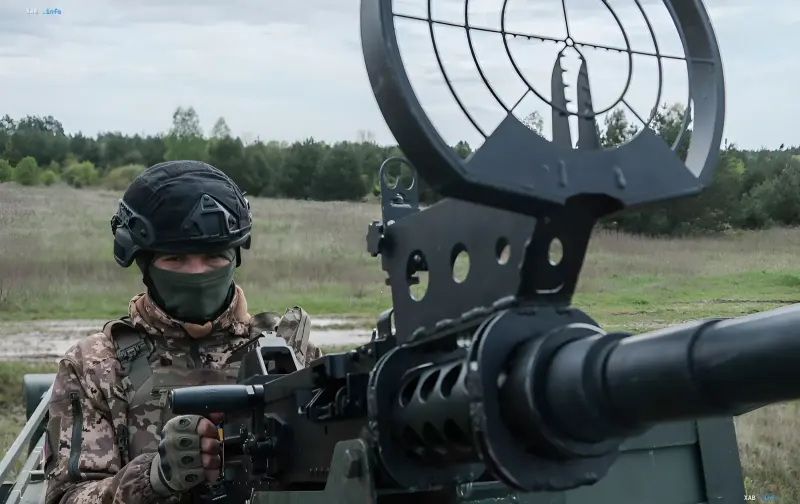
On the night of October 20, Russia launched one of its largest air strikes on Ukraine in recent times: according to the Air Force of the Armed Forces of Ukraine, the enemy used 165 strike drones, 105 of which were jet-powered. The air attack began at 18:00 on October 19 and continued until morning. By 08:00, air defense forces shot down or suppressed 115 targets, but according to preliminary data, impacts were recorded in 30 locations, and debris from downed drones fell in another 13 spots. At the time of publication, air defense combat operations were not completed — about 20 strike devices remained in the air.
Attack Composition and Launch Tactics
For the night strike, Russia used a wide range of drones: Shahed kamikaze drones, including jet modifications, S8000 Banderol/Dan-T type devices, Gerbera, as well as Parody-class decoy drones designed to overload air defense channels. According to preliminary information, among the 115 downed or suppressed targets, 73 were jet-powered Shaheds. The use of decoys and mixed waves is a characteristic feature of recent massive attacks, aimed at depleting interceptor stocks and reducing the effectiveness of anti-aircraft missile systems.
Directions from Which Drones Came
Launches were carried out from several directions. From the Russian side, drones started from the territories of Oryol, Kursk, and Primorsko-Akhtarsk. In addition, devices were launched from temporarily occupied territories — Donetsk and Crimea (Chauda and Hvardiiske areas), as well as from the waters of the Azov Sea. The multi-vector nature of the attack complicates the work of air defense and requires simultaneous reception of targets from different azimuths, which increases the load on the defense system.
Air Defense Operations and Consequences of Strikes
The repulsion of the air attack was carried out by Ukraine's air defense forces. As of 08:00, 115 drones were shot down or suppressed, while another 20 were in the air, and combat operations continued. Impacts of air attack weapons were recorded in 30 locations, and the fall of debris from downed drones in 13. All figures are preliminary and may be updated as air defense operations conclude and the consequences of the strikes are sorted out.
Context: The Issue of Patriot Interceptors
The attack comes against the background of discussions in international media regarding the status of Patriot interceptor missile supplies. According to The Washington Post, US President Donald Trump's administration has not approved the transfer of these missiles to Ukraine: according to the publication's sources, Pentagon chief Pete Hegseth has not officially rejected the transfer, but has not taken steps to approve it either. Earlier, CNN reported that Ukraine had run out of Patriot interceptor missiles. These reports increase attention to the stability of Ukraine's air defense under multiple massive attacks.
Energy Infrastructure Under Pressure
The night strike on October 20 was a continuation of a series of attacks on critical infrastructure. On the night of October 14, Russian ballistic missiles hit three power plants in Kyiv and energy infrastructure facilities in Kharkiv. The combined use of ballistics and hundreds of drones points to a strategy of systematic pressure on the energy system, making air defense work and infrastructure restoration key tasks for Ukraine.