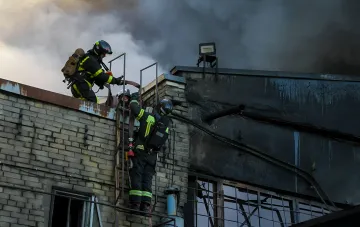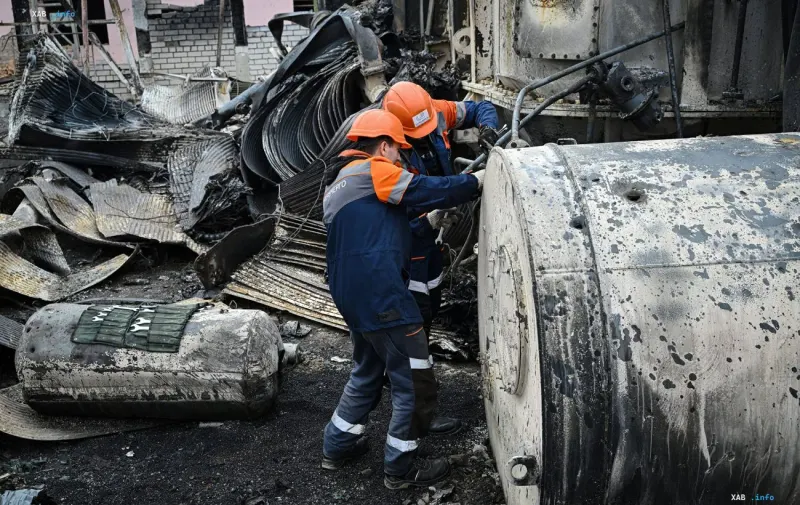
Strikes against Ukraine's energy infrastructure are not a series of isolated attacks, but rather a multi-purpose and comprehensive campaign in which blackouts and freezing the population are just one component, according to analysts. This is reported by RBC-Ukraine, citing the analytical report «The Fifth Winter: A Race for Speed», prepared by the Ukraine Facility Platform. The document analyzes the logic behind Russian attacks on the energy sector during the 2026–2027 heating season and links them to a number of political events that will shape the negotiating background in the coming months.
Seven Goals: From Energy Deficit to Pressure on Partners
The report notes that the adversary's design is not only to create a long-term energy deficit during low winter temperatures — meaning forcing the country onto outage schedules — but also to effectively «cutoff» certain regions from the power grid. According to the authors, this is intended to weaken the grid's resilience and create preconditions for a nationwide blackout. At the same time, the strategic goal of the attacks, analysts assess, remains unchanged, while the tactics of winter strikes are becoming «increasingly progressive», with the maturity of the applied methods highlighted as a key characteristic of the 2026–2027 heating season. The document outlines a set of goals numbered from one to seven: ranging from «freezing, blacking out, depopulating» and destabilizing the internal situation, to intimidating foreign partners, gaining leverage, diverting forces from the front line, and damaging the economy.
Monthly Logic: From October 2026 to February 2027
Analysts break the campaign down into calendar-tied stages. In October 2026, the focus shifts to gaining leverage and intimidating partners: the goal is to raise the cost of supporting Ukraine and demonstrate the vulnerability of new generation capacity. In November, the priority becomes influence leverage against the backdrop of the US midterm elections and budget considerations in Ukraine, which the authors assess as «the prime time for bargaining around an energy truce». In December, the emphasis shifts to intimidating partners and destabilizing the internal situation amid the G20 summit in Miami and the European Council meeting.
In January 2027, during the coldest period, the goal of «freezing, blacking out, depopulating» and further internal destabilization is expected to be deployed: strikes are projected against heat, water, and electricity supplies in major cities, primarily on the Left Bank and the south, along with attempts to split the power grid along the Dnipro River. In February 2027, on the eve of the fifth anniversary of the full-scale invasion, the focus shifts to diverting forces from the front and worsening the economy — depleting equipment reserves, air defense missiles, and financial resources, as well as practicing tactics for potentially opening new fronts.
Political Context of Winter and Early Campaign Start
The 2026–2027 heating season coincides with a chain of significant political events: the potential resumption of trilateral negotiations (US, Ukraine, Russia), the US midterm elections, the European Council meeting, the G20 summit in Miami, the review of the IMF program, and the adoption of Ukraine's 2027 budget. It is during this period, analysts assess, that attacks on the energy sector will function as a tool for putting pressure on foreign partners and leveraging Ukraine's negotiating position. Simultaneously, according to ISW, Russia has launched its energy strike campaign ahead of schedule, seeking to inflict maximum damage before winter sets in, while the Russian Foreign Ministry, according to an October 4 report, is preparing justifications to intensify energy attacks in 2026–2027. According to other media reports, documents have been prepared in Moscow specifying concrete targets, weapon types, and individual strike plans.
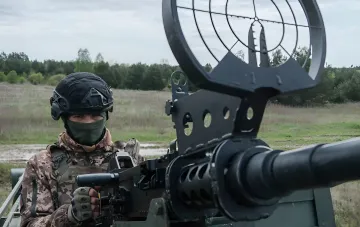
The combination of these assessments indicates that the winter campaign against Ukraine's energy sector is structured as a tool to simultaneously achieve military, economic, and political objectives. For Kyiv, this means the necessity of synchronizing infrastructure restoration, air defense reinforcement, and diplomatic work with the calendar of expected strikes to prevent local outages from turning into a systemic crisis.