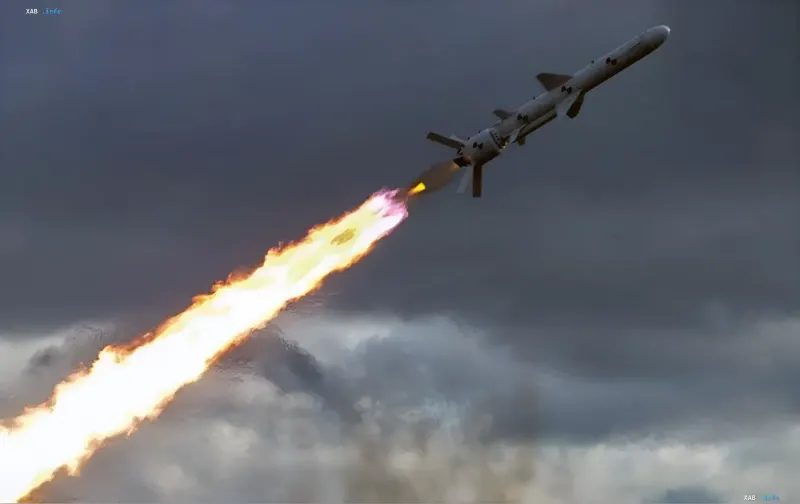
According to RBC-Ukraine sources, in September Moscow, in addition to regular drone raids, plans to carry out four massive combined attacks on Ukraine — with the simultaneous use of various types of missiles and strike UAVs. The publication's interlocutors emphasize that this is not a matter of isolated episodes, but of a coordinated series of strikes that are expected to follow within the coming weeks. In recent days, Russian forces have already attacked power generation facilities and grid infrastructure in several regions, including Odesa Oblast, although, according to sources, these strikes have not yet taken the form of a separate large-scale campaign against Ukraine's energy system.
Warehouses and logistics — priority target, focus may shift westward
RBC-Ukraine sources fear that after the series of strikes on warehouse and logistics infrastructure in Kyiv and Kyiv Oblast, the enemy may shift this focus to similar facilities in western Ukraine. According to them, it is precisely these directions that are being considered as the next stage of the campaign to destroy rear logistics. In parallel with strikes on rail convoys, as sources predict, Russia may begin massive attacks on the energy system in September–October, which would significantly increase the load on civilian infrastructure ahead of the autumn-winter period.
Public announcement of strikes and a change in tactics over the capital's airspace
Russian leader Vladimir Putin publicly announced such strikes on September 1, which, in the view of experts, serves both as an element of pressure and as a signal of readiness for escalation. In addition, the occupiers have substantially changed their aerial attack tactics against the capital: according to RBC-Ukraine sources, Russia is massively deploying new jet-powered drones "Geran-4" and "Geran-5" and plans to bring their share in strikes on Kyiv and the oblast to 80%. The shift to jet UAVs shortens the reaction time of air defense systems and increases the accuracy of target engagement.
Strike on the SBU building in central Kyiv
A reminder of the current level of threat was the incident on September 4, when Russian troops struck the SBU building in central Kyiv. As a result of the enemy attack, the office of the head of the Main Directorate of Counterintelligence, Oleksandr Poklad, was damaged, and there are wounded among the people. This episode demonstrates that strikes on law enforcement facilities and in densely populated areas of the capital are becoming part of the overall pattern of combined attacks, rather than an isolated event.
Contradictory data
The key quantitative parameters — specifically "four massive attacks" and the share of new drones up to 80% — rely exclusively on anonymous RBC-Ukraine sources and have not been independently confirmed by other reputable outlets. Thus, glavred.info materials record the activation of launch sites and the risk of strikes on a number of cities, but do not specify the exact number of planned attacks. The RFI contextual material refers to an earlier period of the fighting and is not comparable in chronology with the September 2026 assessments, while the pravda.com.ua publication is devoted to a different episode (a strike on the naval base in Novorossiysk) and does not address the topic of combined attacks on Ukraine. In this regard, the exact number of planned strikes and the projected share of jet-powered drones require cautious interpretation until independent confirmation emerges.