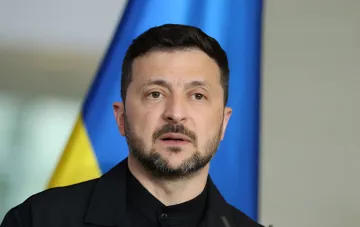
Ukrainian developers and engineers are facing an unprecedented technological race in the field of air defense. Amid the continuous modernization of Russian strike UAVs, Ukraine must work ahead of the curve and create interceptors capable of neutralizing multiple future modifications of enemy weapons at once. This was stated by MP and political scientist Mykola Davidyuk in an interview on the podcast 'TSE BAZA'.
New Challenges for Ukraine's Air Defense in Winter
The expert stressed that the upcoming winter period will be a severe test for the country's entire critical infrastructure. The enemy's autumn strikes on crossings and key life-support facilities serve only as a preparatory stage. At sub-zero temperatures, the consequences of similar shelling could multiply, putting critical strain on the energy sector.
Technological Breakthrough on the Battlefield
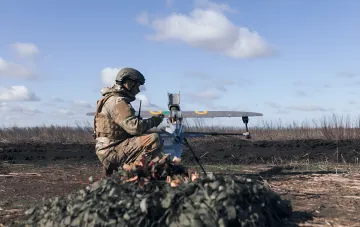
Despite grim forecasts, Ukraine's defense industry is showing unexpected successes. In particular, artificial intelligence-powered automated turrets have proven themselves effective in the suburbs of Kyiv. Initially, no high hopes were pinned on them for countering jet-powered drones, but they are successfully coping with the task and buying the country much-needed time.
The Arms Race and the Need for Preemption
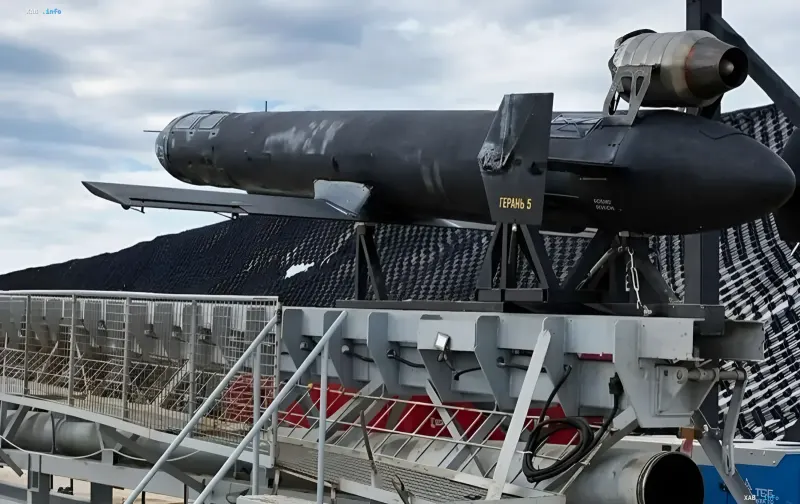
However, it is too early to relax. According to Davidyuk, the Russian side is already preparing new modifications of the 'Geran' drones for deployment. In these conditions, Ukrainian engineers need not just to catch up with the enemy, but literally leapfrog two generations of threats when developing specialized interceptors.
The Enemy's UAV Modernization Plans
Earlier, Deputy Commander of the Air Forces Yuriy Cherevashenko also stated Moscow's plans to increase the speed of drones. While existing jet drones already reach speeds of up to 600 km/h, the enemy intends to increase this figure to 800–900 km/h, and their share in total attacks could rise to 80%.