Against the backdrop of a critical shortage of military manpower, Russian authorities are increasingly turning to the student body as a source of new contract soldiers. According to a report by The Moscow Times, cited by RBC-Ukraine, at least 47 of Russia's 50 leading civilian universities have launched open or covert campaigns urging students to sign contracts with the Ministry of Defense. Recruitment information is published openly — on university websites, in student social media groups, and on notice boards — while enlistment drives are conducted directly on campus and at branch campuses. According to the publication's assessment, this is no longer a matter of isolated initiatives but a systematic campaign covering virtually the entire top tier of the country's higher education.
Scale of outreach: drone units as the main 'sales market'
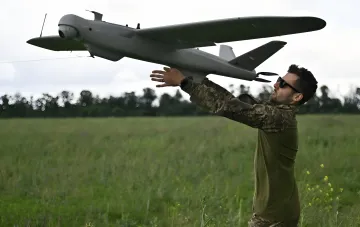
The key focus of the recruitment campaign is on high-tech and, as they are positioned, 'safe' roles. In 46 of the top 50 universities, students are lured with promises of service in unmanned systems units — primarily as operators and technicians of FPV drones, as well as specialists in electronic warfare and communications systems. In 32 universities, educational programs in unmanned aerial vehicles are already in place, allowing recruiters to rely on formally 'relevant' training. The statistics are based on comprehensive monitoring of the official websites, student communities, and notice boards of leading Russian universities.
Where they are sent: the front in Ukraine and the 'African Corps'
Importantly, the service assignments offered to students are not limited to a single theater. In addition to unmanned aviation units in the war against Ukraine, recruiters at several regional universities are offering contracts in the Ministry of Defense's expeditionary 'African Corps.' It is precisely this mention that, according to the publication, was recorded in the original The Moscow Times report as a real element of the recruitment offer, not a typo. Thus, students are formally offered 'a choice' between a rear-area engineering role in the combat zone or service in overseas structures.
Methods of pressure and motivation
The tools of agitation range from plain advertising on websites to outright coercion. Among the key motivational levers are promises of clearing academic debts, accelerated exam sessions, one-off regional payments, and, above all, a 'guarantee' of not being sent to infantry assault groups. According to the publication's observations, the forms of agitation are becoming ever more sophisticated, and the pressure on potential contract soldiers is intensifying as it grows harder for the authorities to find volunteers for the war.
Warnings from human rights defenders
Human rights defenders, however, warn: the document offered to students is a standard Ministry of Defense contract that grants no right to discharge and does not guarantee a role specifically as a drone operator. Moreover, instead of the promised 'Africa,' recruits may be sent to Ukraine, and the 'guarantee' of safe rear-area service is often broken in practice after basic training. Thus, the illusion of 'safe, high-tech service' may turn out for a student to mean full subordination to the terms of a standard military contract with no way out.
Context: covert mobilization and training ground preparations
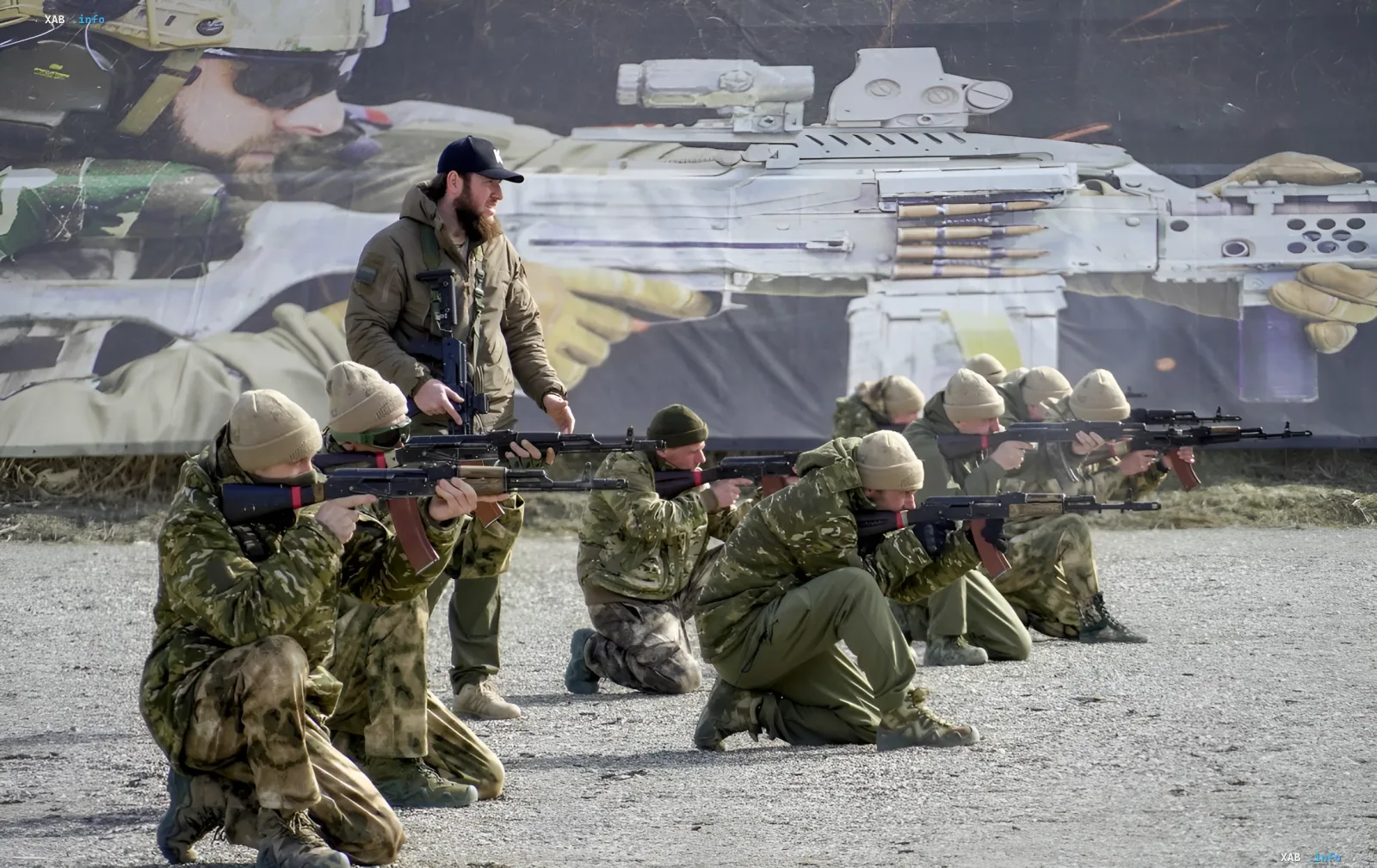
University recruitment fits into a broader process that RBC-Ukraine previously described as covert mobilization. For instance, in July, Russian military officers from Saint Petersburg inspected the Kaliningrad exclave, assessing the readiness to mobilize local residents. In addition, preparations of training grounds for a possible new wave of mobilization are being recorded in several Russian regions. Against this backdrop, the campaign in universities looks like a logical element of the strategy to find new human resources for the war.