Last night, from 20:00 on August 25 to 07:00 on August 26, 2026, the Ukrainian Armed Forces carried out one of the largest nighttime operations using strike drones in recent times. According to RBC-Ukraine, the Russian Ministry of Defense reported that on-duty air defense forces were repelling an "air attack" for nearly twelve hours. According to the Russian defense ministry, 426 Ukrainian fixed-wing drones were "neutralized" during this period. As in most similar cases, the Russian side did not disclose the total number of UAVs that, by its own logic, were launched as part of the attack.
Scale of the nighttime attack
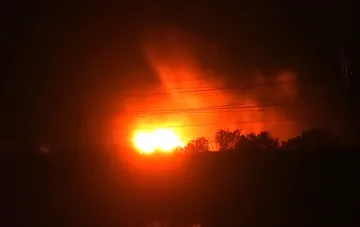
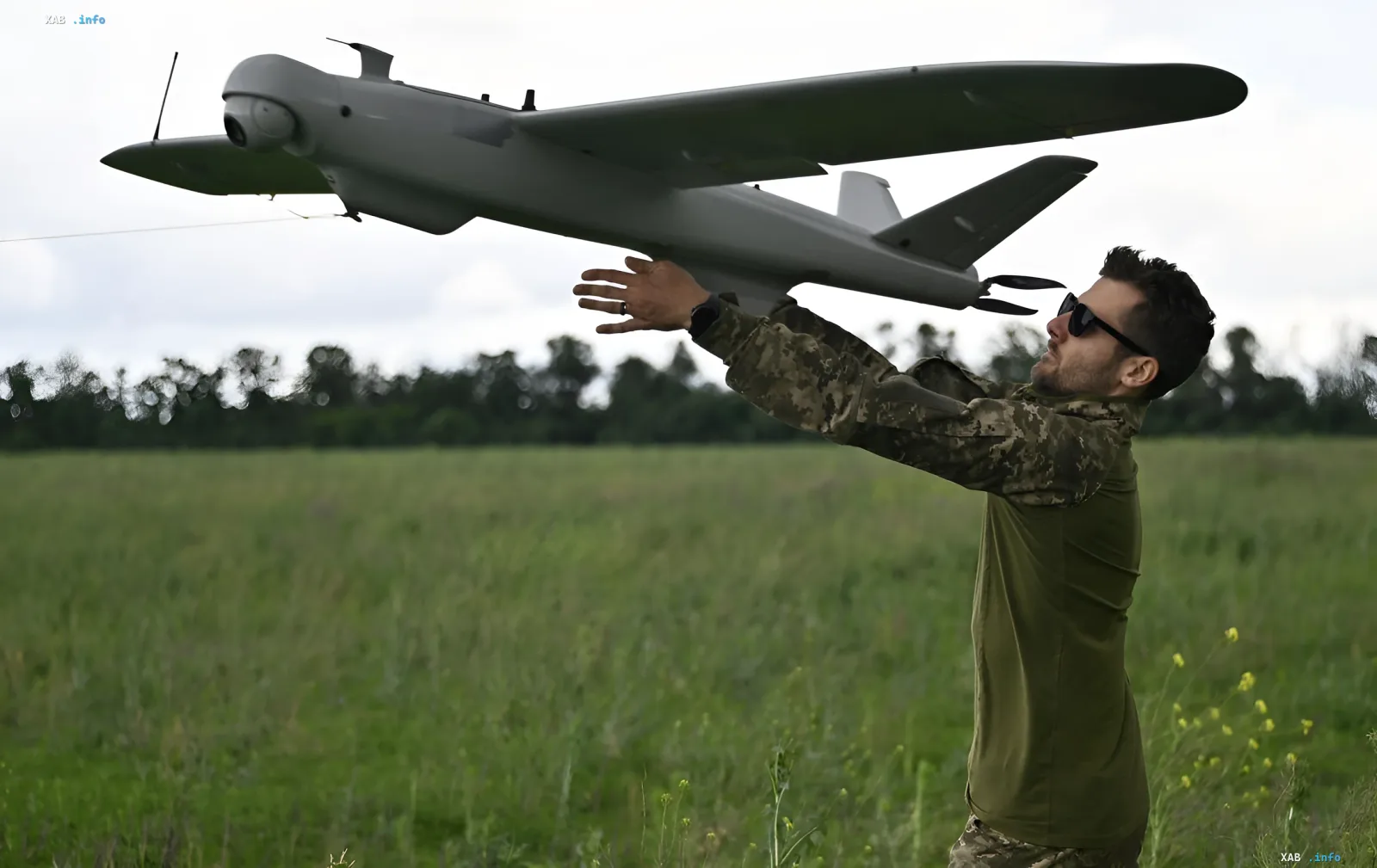
The operation had the character of a distributed strike: drones were sent simultaneously to several Russian regions, which is typical of a tactic designed to overload air defense systems and reduce the effectiveness of their interception. As of the morning of August 26, it was officially confirmed that Ukrainian FP-1-type drones simultaneously struck two key targets — an oil refinery in Nizhny Novgorod Oblast and the largest warehouse of the Wildberries network in Tambov Oblast. Explosions in the area of the facility in Nizhny Novgorod Oblast were recorded at approximately 03:40, and shortly thereafter footage of a large-scale fire near the plant began circulating in open sources.
Targets in Nizhny Novgorod and Tambov Oblasts
The choice of targets underscores the dual nature of the campaign: strikes are being delivered simultaneously to military-economic infrastructure (oil refining) and to logistical hubs of the civilian sector. The attack on the Wildberries warehouse in Tambov Oblast was not the first — on July 18, the Ukrainian Armed Forces had already struck a warehouse of the same network in Kotovsk. This points to a deliberate effort to disrupt supply chains and distribution hubs that, from Kyiv's perspective, support both the civilian and the military rear of the adversary.
A systematic campaign against fuel infrastructure
The strike on the oil refinery in Nizhny Novgorod Oblast fits into a broader picture: within a matter of months, Ukraine has, according to available data, knocked out nearly a third of Russia's largest oil refineries. These strikes are seen as part of a systematic campaign against fuel infrastructure, aimed at reducing the refining capacity and logistical capabilities of the Russian economy in the context of a protracted conflict. The cumulative effect of such attacks is not so much one-off fires as a building pressure on the energy and industrial potential of the aggressor state.
Contradictory data
At the same time, open sources show a notable discrepancy in the figures on the outcome of the nighttime interception. RBC-Ukraine and a number of specialized outlets, citing the Russian Ministry of Defense, report 426 destroyed drones. Meanwhile, other publications record different results for nighttime air defense shifts: some materials speak of 148 shot-down aerial targets, others of 269 drones eliminated over 12 hours. The difference in figures may be explained by the fact that different sources describe different nighttime shifts or use different counting methods (for example, separate accounting of fixed-wing and rotary-wing UAVs). The Ukrainian side, for its part, traditionally does not publish comparable summaries, so independent verification of the exact number of launched and shot-down aircraft is currently impossible.
Either way, the nighttime operation of August 25–26 once again confirmed that massive drone strikes on Russia's rear infrastructure remain one of the key instruments of the air campaign of the Ukrainian Armed Forces, and the Russian Ministry of Defense's claims of "hundreds" of shot-down targets effectively acknowledge the scale and regularity of such attacks.