In the run-up to key political events scheduled for autumn 2026, the Russian leadership is demonstrating unprecedented rigidity regarding peace initiatives. On the eve of the State Duma elections, which will take place from September 18–20, the Kremlin has definitively rejected the idea of any constructive negotiations that do not provide for the complete capitulation of Ukraine. This is evidenced by recent statements from top Russian officials and analytical reports from the Institute for the Study of War (ISW).
Diplomatic Deadlock: Sergey Lavrov's Position
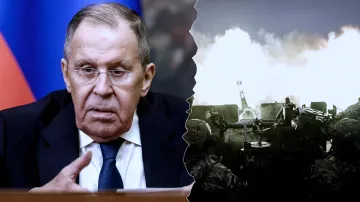
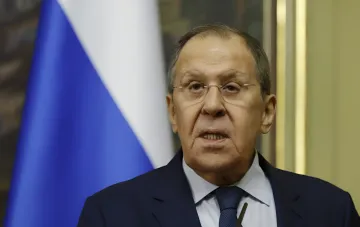
On August 14, Russian Foreign Minister Sergey Lavrov publicly stated Moscow's unwillingness to agree to a ceasefire that would freeze the current front line. According to the head of the Foreign Ministry, Russia will continue military operations until a "long-term, reliable, and sustainable" settlement is reached, fully corresponding to Russia's interests. Lavrov also warned that Russia does not plan to "freeze" the conflict and intends to intensify methods of destroying infrastructure supporting Ukraine's military potential.
Maximalist Goals: Dmitry Medvedev's Statement
Lavrov's position was supported by Deputy Chairman of the Security Council of the Russian Federation, Dmitry Medvedev. On August 12, he stated that Russia would suspend or end the war "exclusively on its own terms." Analysts interpret these words as an indirect indication of the Kremlin's maximalist military goals, which effectively amount to a demand for the complete capitulation of the Ukrainian side. This approach excludes any compromises and leaves only one scenario for ending the conflict — one dictated by Moscow.
Political Context: 2026 Duma Elections
Experts link the sharp hardening of the Kremlin's rhetoric to the domestic political agenda. According to analysts' assessments, the Russian leadership is "doubling down" on a categorical refusal to negotiate in order to rally Russian society around a pro-war platform. This move is intended to mobilize the electorate ahead of the Duma elections scheduled for September 18–20, 2026. Rejecting peace initiatives allows the authorities to position themselves as the only force capable of protecting national interests in the face of a "hostile environment".
Contradictory Data
There is a clear gap between the positions of the two sides of the conflict. On the one hand, Ukrainian President Volodymyr Zelenskyy has repeatedly confirmed his readiness to make significant compromises to end the war. On the other hand, Russia systematically rejects even limited proposals, including initiatives from Turkey and Ukraine to introduce a moratorium on strikes against maritime targets in the Black Sea. While Kyiv attempts to present itself as a party interested in peace, Moscow actively promotes the narrative that it is Ukraine that is the uncompromising party obstructing diplomatic settlement.
Rejection of International Initiatives
Russia's rejection of proposals for a maritime moratorium is further proof of the systematic ignoring of diplomatic efforts by third countries. ISW notes that Moscow rejects any proposals that do not meet its maximalist demands. This creates a situation where even minimal steps to reduce tension are blocked by the Russian side, making it impossible to begin any negotiations in the foreseeable future.