Russian diesel fuel is returning to the markets of its two largest historical buyers, Turkey and Brazil. According to maritime analytics platforms Kpler and LSEG, at least two tankers have been tracked signaling voyages to these countries in recent days. This comes after the lifting of an export ban achieved through the mediation of the United States.
Specific Voyages: From Primorsk to Alanya and Manaus
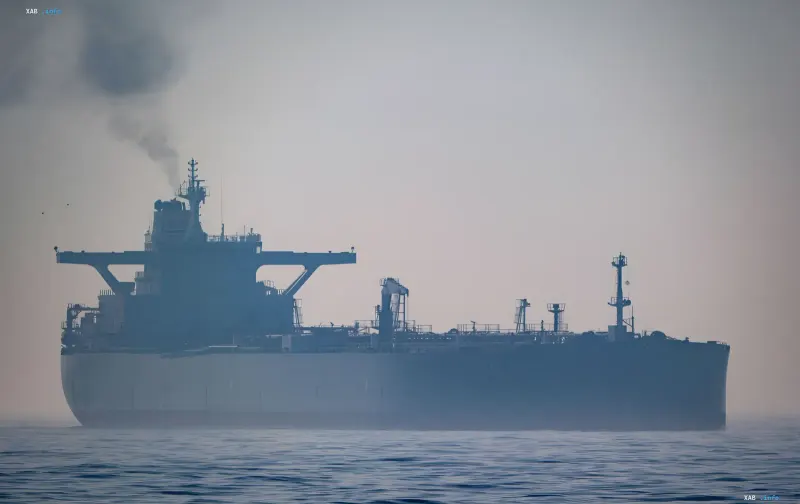
According to tracking data, the tanker Dolunay departed the Russian Baltic port of Primorsk with a cargo of diesel fuel on October 14, 2026, setting a course for Alanya, Turkey. Following closely behind, on October 16, the tanker Leruo departed from the same port with its stated destination set as Manaus, Brazil. Both vessels demonstrate that logistical supply chains interrupted in the summer are activating once again.
Market Shares: Turkey at 34%, Brazil at 24%
According to Kpler, Turkey received approximately 34% of Russian diesel fuel this year, equivalent to 95,000 barrels per day. Brazil accounted for 24%, or about 66,000 barrels per day. Since 2023, when Western sanctions in response to Russia's full-scale invasion of Ukraine redrew oil export routes, these two countries have become the largest buyers of Russian diesel.
Reasons for the Interruption: Refinery Strikes and Export Ban
Until the summer of 2026, Russia ranked second in the world in diesel fuel exports, behind only the United States. However, during the summer months, supply volumes were significantly reduced, followed by the introduction of a complete ban on foreign exports. The cause was massive Ukrainian strikes on Russian oil refineries, which reduced processing capacity and made further exports economically unviable.
The Role of the US: Treasury License Until April 2027
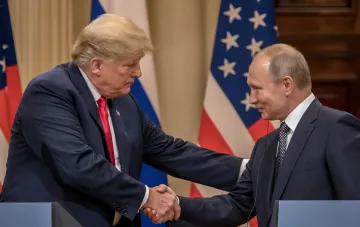
A key condition for the resumption of supplies was a temporary easing of sanctions by Washington. The U.S. Department of the Treasury issued a license permitting the supply of Russian diesel fuel to global markets until April 7, 2027. According to RBC-Ukraine, Turkey planned to purchase a portion of the diesel fuel that Russia will supply under agreements reached with U.S. President Donald Trump. Thus, Russia has the opportunity to return to the global market with millions of tons of fuel, which could impact global prices and logistics in the distillate segment.