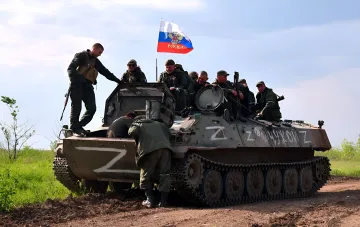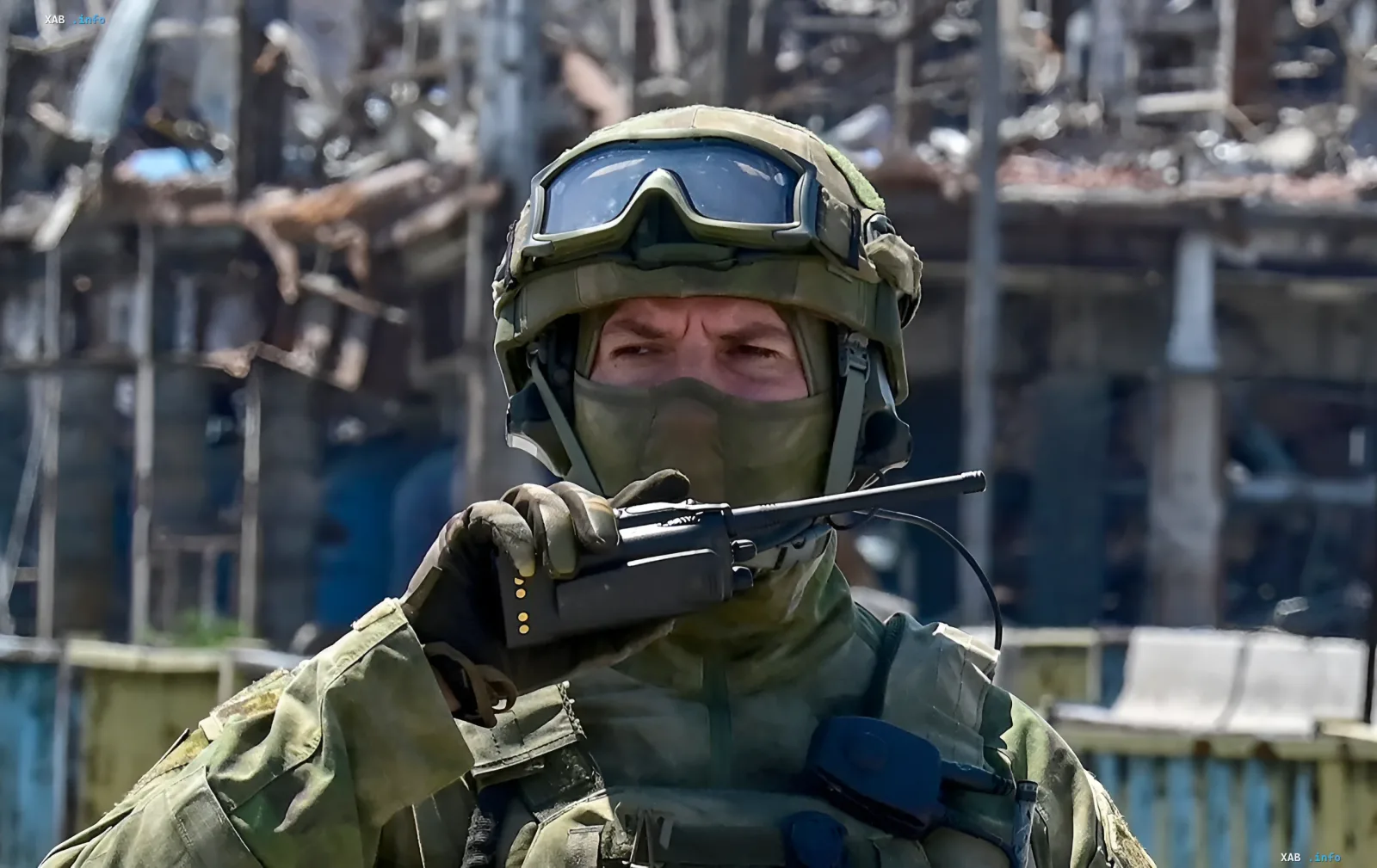
The Institute for the Study of War (ISW), in its latest report referenced by RBC-Ukraine, has noted a significant deterioration in the positions of the Russian army on the Lyman axis. According to US analysts, Russian military bloggers are increasingly publicly acknowledging successful counterattacks by the Ukrainian Defense Forces near Lyman and the forced abandonment of certain forward positions. This admission contrasts with the official picture long painted by statements from Russian command and maps from other milbloggers, which showed a far more "optimistic" dynamic of advance.
Admission of retreats in the milblogger sphere
According to the ISW report, one Russian military blogger stated outright that Ukrainian troops have been conducting counterattacks near Lyman for several months. This means that, in the analysts' assessment, the actual dynamics on this sector of the front diverge substantially from what was reported in official bulletins. Milbloggers, previously oriented toward supporting the command, are beginning to openly point out that Russian units were forced to fall back from a number of forward positions, which effectively confirms the effectiveness of Ukrainian counter-battery and counterattack operations in this area.
Conflict with the official narrative and "good news"
A separate storyline in the ISW report is the growing dissatisfaction within the Russian milblogger sphere over officials' statements about the alleged successful advance of troops, especially on the Lyman axis. According to the analysts, in recent times there have been calls to ban so-called "good news" — false or overly optimistic reports on the situation at the front. Russian bloggers publicly criticize the command for spreading unreliable information, noting that this has direct operational consequences for the course of combat operations.
Sviatohorsk and Putin's statements
Particular attention, according to ISW, is warranted for the situation around Sviatohorsk, located northwest of Lyman. Ukrainian troops, it is noted, recently demonstrated full control over this city. Crucially, this occurred just days after Kremlin leader Vladimir Putin's statement about the alleged capture of Sviatohorsk by Russian forces. This gap between public statements and the factual picture on the ground, in the analysts' assessment, reinforces confidence in the admissions of the milbloggers themselves and undermines trust in official bulletins.
Operational consequences of disinformation
Russian bloggers, according to ISW, complain that the spread of unreliable information about the situation at the front leads to real operational consequences: the command, relying on inflated reports, makes decisions that do not correspond to reality. Against this backdrop, other alarming trends for Moscow have also been recorded in open sources — including reports of record losses for the Russian army and new successes of the Ukrainian Defense Forces in the Donbas, which together paint a picture of the official narrative systematically lagging behind the field situation.
Contradictory data
It is important here to separate confirmed admissions from analytical forecasts. On the one hand, ISW and the Ukrainian outlets citing it (RBC-Ukraine, UNIAN, Glavred) say that the Ukrainian forces may liberate Lyman within the next 72 hours, and that a possible retreat from Kramatorsk and Sloviansk would amount to a heavy defeat for Russian troops. On the other hand, the base report uses a more restrained formulation — about the forced abandonment of certain forward positions and control over Sviatohorsk, rather than the full liberation of Lyman. Thus, the "72-hour" scenario is an analytical projection by ISW, not a recorded event, and both versions — the more cautious assessment of retreats and the more aggressive forecast of Lyman's liberation — require careful reading: the first rests on the admissions of milbloggers, the second on analysts' extrapolation of current dynamics.