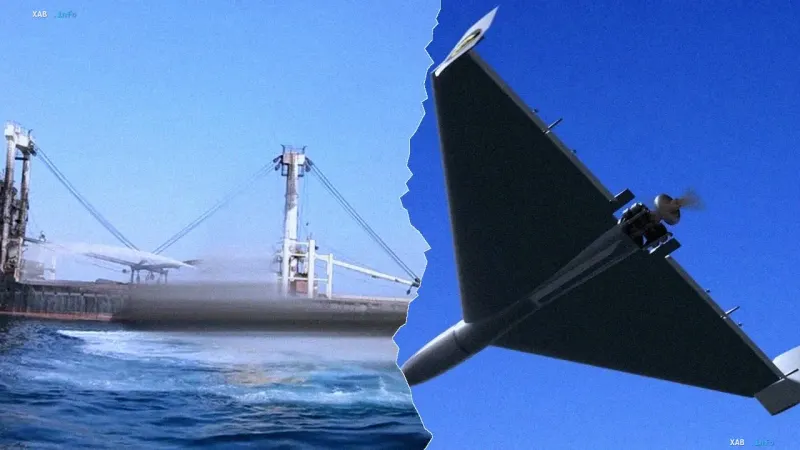
On August 16, 2026, the Ministry of Defense of the Russian Federation published an official briefing on the results of air attacks on the Odesa region. According to the ministry's statement, strike drones hit three bulk carriers and two oil tankers located directly in the Odesa harbor. Additionally, it is reported that another bulk carrier was hit in the waters of the Black Sea to the east of the city.
Details of the Russian side's statement
The MoD statement emphasizes that all attacked vessels were used for the logistical needs of the Armed Forces of Ukraine, including the delivery of Western weapons and fuel. The Russian side also claims that fuel tanks and warehouses in the port zone were hit.
Reaction of Ukrainian authorities and independent verification
At this time, official Ukrainian bodies, including the Administration of Sea Ports of Ukraine (ASPU) and the Odesa Regional Military Administration, have not confirmed the destruction or damage of six ships within 24 hours. Spokespersons for the Southern Defense Forces note that the scale of losses in Russian briefings is often exaggerated for propaganda purposes.
Contradictory data
There is a discrepancy in versions regarding the purpose of the hit vessels. The Russian MoD classifies them as military targets involved in weapons transport. At the same time, international observers and maritime experts point out that the targets of attacks in the ports of the Odesa region have traditionally been civilian bulk carriers and cargo ships loaded with grain and agricultural products for export.
Context of escalation in the Black Sea
Analysts are recording an increase in Russian strikes on merchant shipping in August 2026. Earlier this month, real drone hits on civilian ships were already recorded, including the bulk carrier Gladius on August 12. Such attacks are aimed at creating risks for international shipowners, which leads to an increase in freight and insurance costs.
Impact on exports and the economy
According to estimates by relevant ministries, continuing attacks on port infrastructure have already led to the loss of a significant part of grain export capacity. The goal of such actions is not only the physical destruction of ships but also economic pressure on Ukraine through the blockade of sea trade routes.