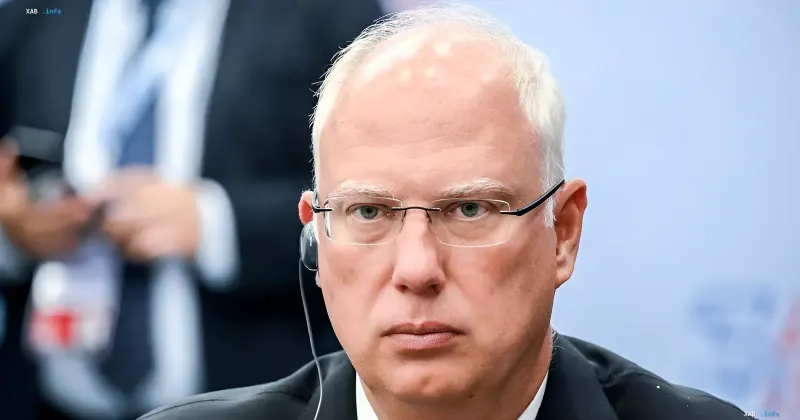
A high-ranking Russian official has outlined a scenario in which Russia and Germany could resume the operation of the damaged Nord Stream pipeline. Kirill Dmitriev, special envoy of the Russian president and head of the Russian Direct Investment Fund (RDIF), publicly advocated for the joint restoration of energy infrastructure, emphasizing interest in returning to stable energy supplies.
Background and Position of the Alternative for Germany Party
This statement came in response to an initiative by Tino Chrupalla, co-chair of the German Alternative for Germany (AfD) party. Chrupalla demanded an international investigation into the sabotage of the Nord Stream and Nord Stream 2 pipelines and advocated for their repair and reopening. In turn, Kirill Dmitriev supported this rhetoric on social media platform X, calling the AfD the voice of the German people fighting for energy sovereignty and national prosperity. Recall that the sabotage of the pipelines occurred in late September 2022, leaving Europe without key supplies of Russian gas.
Direct Contacts and Diplomatic Shifts
Political activity surrounding the energy dialogue is intensifying amid the growing popularity of the AfD in Germany. According to media reports, in September 2026, far-right party MP Markus Frohnmaier held a meeting in Moscow with Gazprom CEO Alexei Miller to discuss the resumption of gas imports. Party representatives confirmed the fact of the talks, pointing to the vital need for affordable energy prices for the German economy. Simultaneously, on the sidelines of the UN General Assembly on September 26, the Foreign Ministers of Russia and Germany held a meeting, marking the first official talks at this level since 2022.
Contradictory Data
While the Russian side and representatives of the opposition Alternative for Germany party are actively discussing the prospects of restoring the pipelines and planning bilateral conferences for the spring of 2027, official Berlin at the ruling coalition level maintains a hardline course against Russian energy sources. German authorities and other European countries continue to investigate the sabotage, attributing part of the suspicion to a Ukrainian trace, while the AfD operates bypassing current sanctions isolation by holding independent consultations with Gazprom management and sparking fierce debates within the German political establishment.
Economic Consequences and Outlook
Before the large-scale crisis in Ukraine in 2022, Russia accounted for more than half of Germany's total natural gas consumption. The complete loss of these supplies led to a large-scale reorientation of German industry toward expensive liquefied natural gas and renewable energy sources, resulting in rising business costs. Potential repairs to Nord Stream remain a highly controversial topic that could significantly impact the future architecture of European energy security and the domestic political balance in Germany ahead of elections.