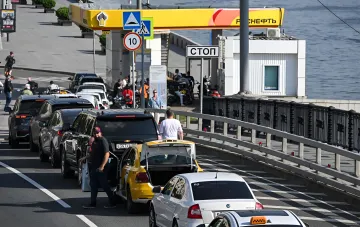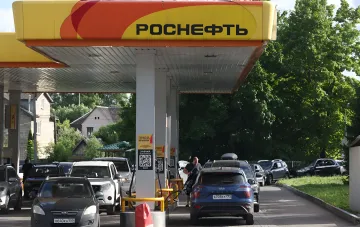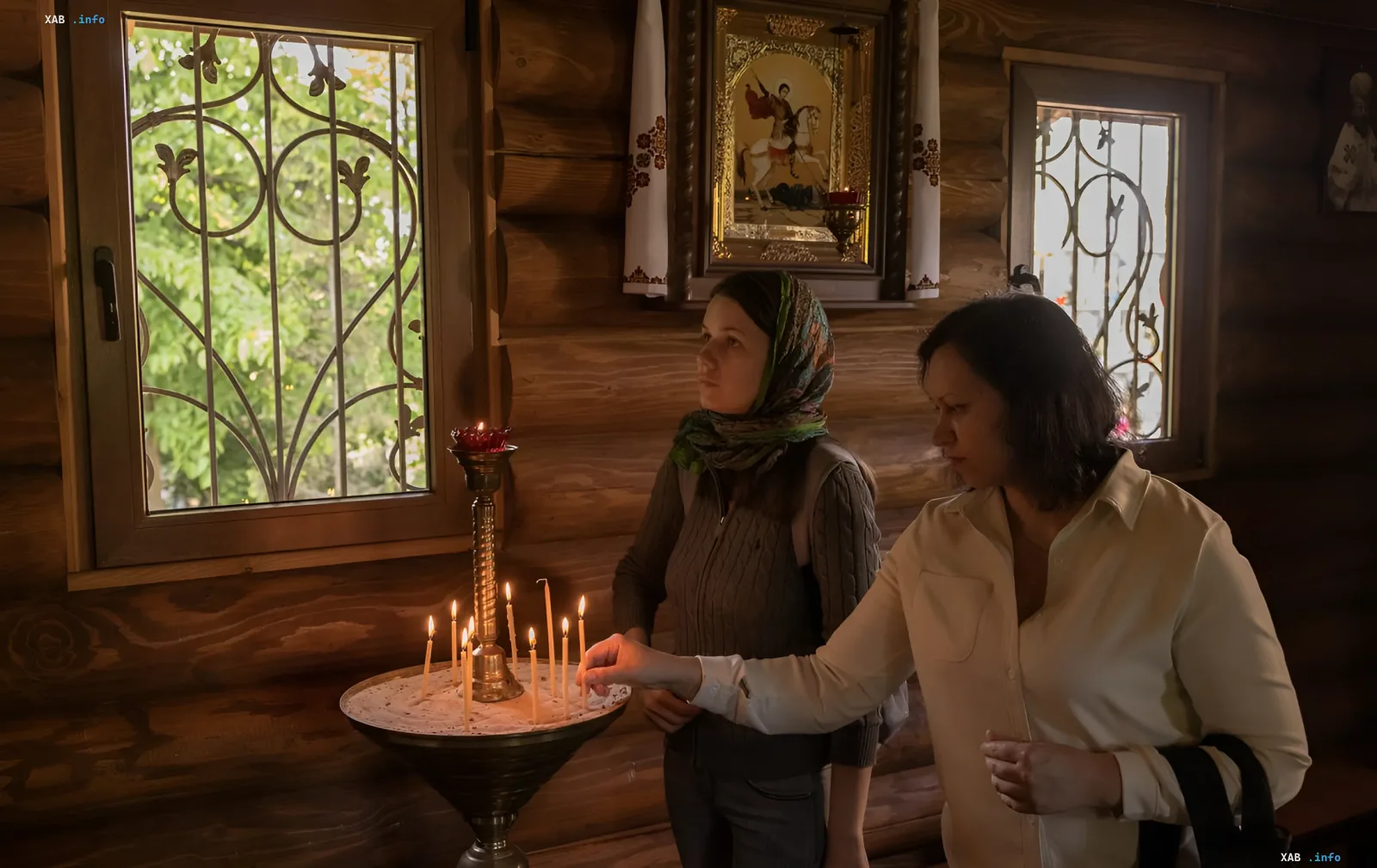
Amid the second wave of the fuel crisis in Russia, Archpriest Alexander Butrin, a cleric of the Cathedral of the Icon of the Mother of God "Derzhavnaya" in Fryazino, near Moscow, called on citizens to treat the fuel shortage with "humility" and refrain from expressing dissatisfaction with officials. According to him, fuel disruptions are causing irritation among Russians, who, in the priest's assessment, "straight up can't bear to endure a little." The statement came at a time when, according to available data, gasoline is unavailable at approximately 70% of Russian gas stations, and sales limits have been reintroduced in Moscow and St. Petersburg.
Call for humility and the example of Seraphim of Sarov
Explaining his position, Butrin suggested that believers take an example from Saint Seraphim of Sarov, who, according to the priest, showed anger only once — when he met a person "raising a hand against state authority." Thus, according to the logic of the cleric, dissatisfaction with everyday or economic difficulties, including fuel shortages, does not fall into the category of justified reasons for anger, and truly believing people should, following the teachings of the apostles, submit to state authority.
Criticism of "protesters" as "unspiritual"
Separately, Butrin criticized those who try to defend their rights through protests. "People who are called 'protesters' in this sense, yes, who organize protests, want to pump up some rights, — these are unspiritual people and, of course, not church people," the priest stated. In doing so, he effectively divided citizens into "spiritual" ones, ready for obedience, and "unspiritual" ones, prone to public resistance.
Background: Second wave of fuel crisis
The statement was made against the backdrop of an exacerbation of the fuel crisis in August 2026. Following new attacks by Ukrainian defense forces on oil refineries since the beginning of the month, according to available information, at least four major refineries have failed. RBC-Ukraine reported that on the eve of the event, drones attacked one of the country's largest plants — TANEKO in Nizhnekamsk. As a result, gasoline became unavailable at 70% of Russian gas stations, and sales limits reappeared in St. Petersburg and Moscow. It is noted that Moscow is being supplied with fuel on a priority basis ahead of the State Duma elections, delivering gasoline from the Ural and Siberian regions.
Administrative pressure on those who complain
Against this background, cases of administrative persecution of citizens publicly complaining about the situation are already being recorded. In Volgograd, five people were subjected to administrative persecution for recording an appeal to the head of the Investigative Committee criticizing the city administration: they complained that officials could fill their official cars without restrictions, unlike local residents. The police interpreted the filming of the appeal as an "unauthorized public event." A similar case occurred in Perm, where a local resident was fined for "illegal agitation" after he announced in his Telegram channel his intention to hold a rally due to the lack of fuel.
Contradictory data
Here it is important to distinguish two planes. On the one hand, Archpriest Butrin calls for obedience and interprets any public claims as "unspirituality," on the other — the cases recorded in Volgograd and Perm show that even those citizens who do not protest, but merely complain peacefully and record appeals, fall under administrative pressure. That is, the call to "endure" clashes with the practice where the very formulation of dissatisfaction can already be classified as a violation. Moreover, Butrin's position is the opinion of a single cleric, not an official document or decree of the Synod of the Russian Orthodox Church, so it cannot be automatically extended to the entire church. Differences in assessments of the scale of the crisis (the specific number of refineries put out of operation) also vary in different reports, so a cautious formulation of "at least four" is used in the text.
Thus, the religious call for humility against the backdrop of the fuel crisis and administrative cases against complaining citizens forms a picture where the question of acceptable forms of expressing dissatisfaction remains open and contradictory: the church, in the person of one of its representatives, offers patience, while state authorities, on the contrary, react to public complaints with sanctions.