Return of Shortage: Gas Stations in Moscow and Regions Introduce Fuel Limits
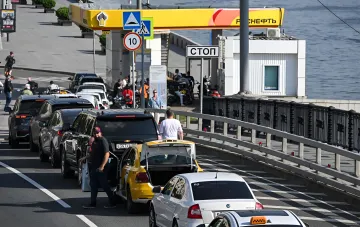
On August 19, 2026, restrictions on gasoline sales were recorded again in Moscow and surrounding areas. Several gas station chains, including Gazpromneft, Rosneft, and Lukoil, have introduced limits on the volume of fuel dispensed to a single customer. Drivers report long queues, especially during morning and evening rush hours. The situation repeats events from the spring and summer of 2026, when a fuel shortage covered most regions of the country.
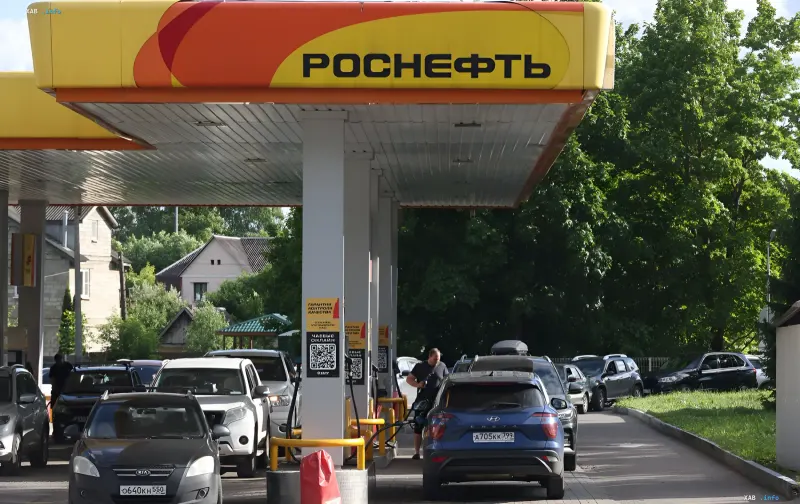
At automated Gazpromneft stations in Moscow, sales of gasoline and diesel fuel are limited to 40 liters per customer. At other stations in the same network, diesel can be purchased without restrictions, while gasoline is dispensed at no more than 60 liters per vehicle. Rosneft, Russia's largest oil producer, has set a unified limit of 30 liters of gasoline per vehicle at all its stations across the country. However, diesel fuel sales are not restricted. The company warned customers of possible increased waiting times due to high demand.
Crisis Causes: Drone Attacks, Seasonal Demand, and Technical Failures
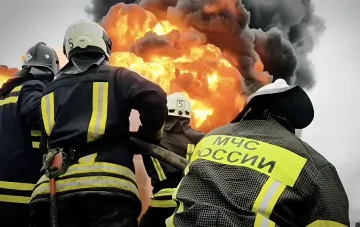
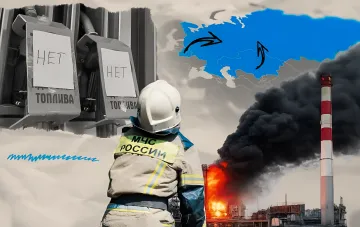
According to Reuters sources and representatives of the fuel industry, the new restrictions are linked to a gasoline shortage. Key reasons cited include attacks by Ukrainian drones on Russian oil refineries (ORs), which led to a reduction in processing volumes. Experts estimate that by August 2026, up to 40% of Russia's refinery capacity was taken out of service due to strikes. There is also a noted seasonal increase in fuel demand during the summer period, especially in suburban areas and on highways.
Lukoil reported a reduction in fuel sales in Moscow and the nearby region. The company pointed to increased demand, unscheduled maintenance of one of the refineries, and the need to ensure stable operation of the gas station network. However, the company did not disclose the specific volumes of the established limits. At the same time, in the Kirov region, according to Interfax, some gas stations have switched to selling gasoline by car license plate numbers, indicating attempts to control fuel distribution.
Contradictory Data
There are discrepancies in estimates of the scale of the shortage. On the one hand, Reuters sources and fuel suppliers claim that about a third of Russia's residents have faced a lack of fuel. On the other hand, some regional gas station operators report that the situation is local and not systemic. For example, on July 28, 2026, a news item appeared on the m24.ru website stating that Russian gas station networks began to relax restrictions on gasoline sales, which contradicts current data on the resumption of limits in August. This creates uncertainty in assessing the real picture in the market.
Social Tension and Government Reaction
The gasoline shortage is already causing dissatisfaction among Russians, especially due to unequal access to fuel. In Volgograd, five residents recorded an appeal to the authorities complaining about the situation at gas stations. After this, the participants were detained, and one of them was fined for an "unauthorized mass event." Such cases indicate a rise in social tension against the backdrop of the fuel crisis.
Outlook and Possible Solutions
Experts predict that the fuel situation may remain tense until the end of 2026, especially if strikes on refineries continue. Possible solutions include strengthening logistics, redistributing reserves between regions, and temporarily introducing centralized control over sales. However, in the context of the ongoing war and sanctions pressure, such measures may be insufficient.