Against the backdrop of an ongoing fuel crisis, Russia is seeing a notable shift in consumer preferences: citizens are increasingly choosing cars with diesel engines. According to The Moscow Times, as cited by RBC-Ukraine, the number of such vehicles on the country's roads is beginning to grow. At the same time, the diesel segment has historically remained niche: according to Avtostat data, diesel cars account for only about 6% of Russia's entire vehicle fleet, which totals 47.7 million vehicles. Mostly these are products of Western companies that have left the Russian market, as a result of which diesel cars make up less than 2% of new car sales.
Market figures: what the statistics show
Nevertheless, the dynamics of recent months point to accelerating interest in diesel. According to the publication, in July and the first half of August the share of diesel cars in new car sales rose to 1.7%, compared with 1.4% in the first half of the year. A similar, though more pronounced, trend can be seen in the used car market: the diesel share in sales of vehicles with mileage reached 6.3%, compared with 5.9% in January–June. Market participants estimate that demand for diesel cars has jumped several times over, although meeting it remains difficult due to limited supply.
The cause of the trend — a fuel supply imbalance
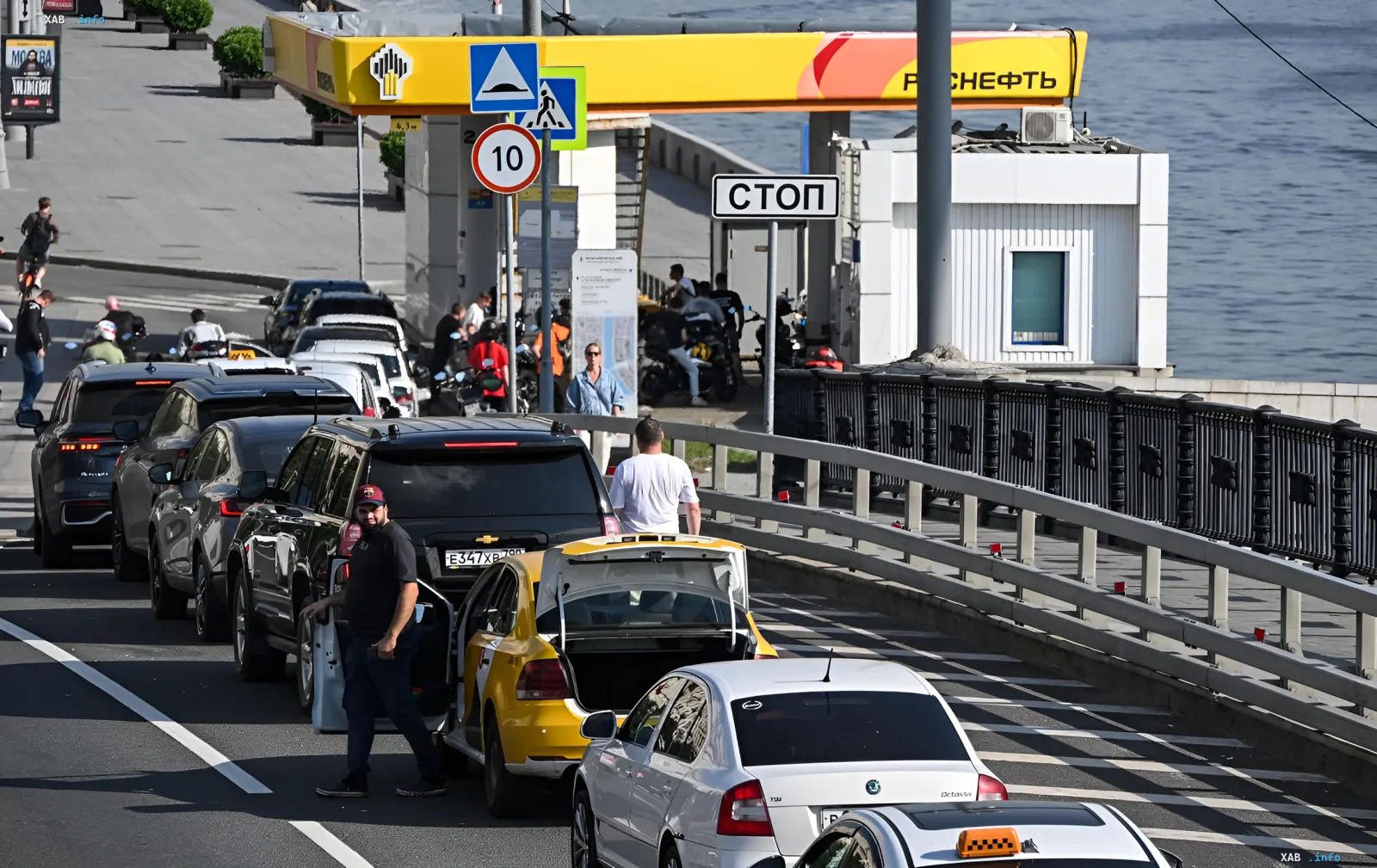
Experts link the increased demand for diesel cars to a "supply imbalance" in fuel: a gasoline shortage is again being recorded at gas stations, while diesel fuel is available without interruption. The context of the crisis is defined by a series of Ukrainian drone strikes on oil refineries: reportedly, Russia may have lost 20% to 40% of its oil refining capacity, and the fuel crisis has affected around 50 million Russians. In several regions, including Lipetsk Oblast, authorities reintroduced an "odd-even" regime at gas stations due to huge queues, and a number of regions restricted gasoline sales due to fuel supply disruptions.
Contradictory data
When analyzing the figures, it is important to bear in mind that different metrics paint an uneven picture, and this is where the main "discrepancy" in public data lies. On the one hand, diesel accounts for about 6% of the entire vehicle fleet, but less than 2% of new car sales and only 6.3% of the used car market — meaning the historical stock and current sales diverge significantly. On the other hand, the claim that demand has "jumped several times over" is a qualitative assessment by market participants, not precise statistics, while the quantitative changes in shares (from 1.4% to 1.7% and from 5.9% to 6.3%) look moderate. Thus, the scale of the "boom" depends on the chosen metric: in absolute shares the growth is small, but against the backdrop of a gasoline shortage and limited supply, it is precisely this that forms a sustained trend, which the market interprets as a sharp surge in interest.
Taken together, these factors create a new reality for the Russian auto market: the fuel crisis, caused by strikes on refineries, directly affects the structure of demand, shifting some buyers from the gasoline segment to the diesel segment. As long as gasoline disruptions persist and sales restrictions remain in force in certain regions, interest in cars fueled by readily available diesel is likely to remain elevated, making the diesel segment one of the most dynamically changing against the backdrop of the overall crisis.