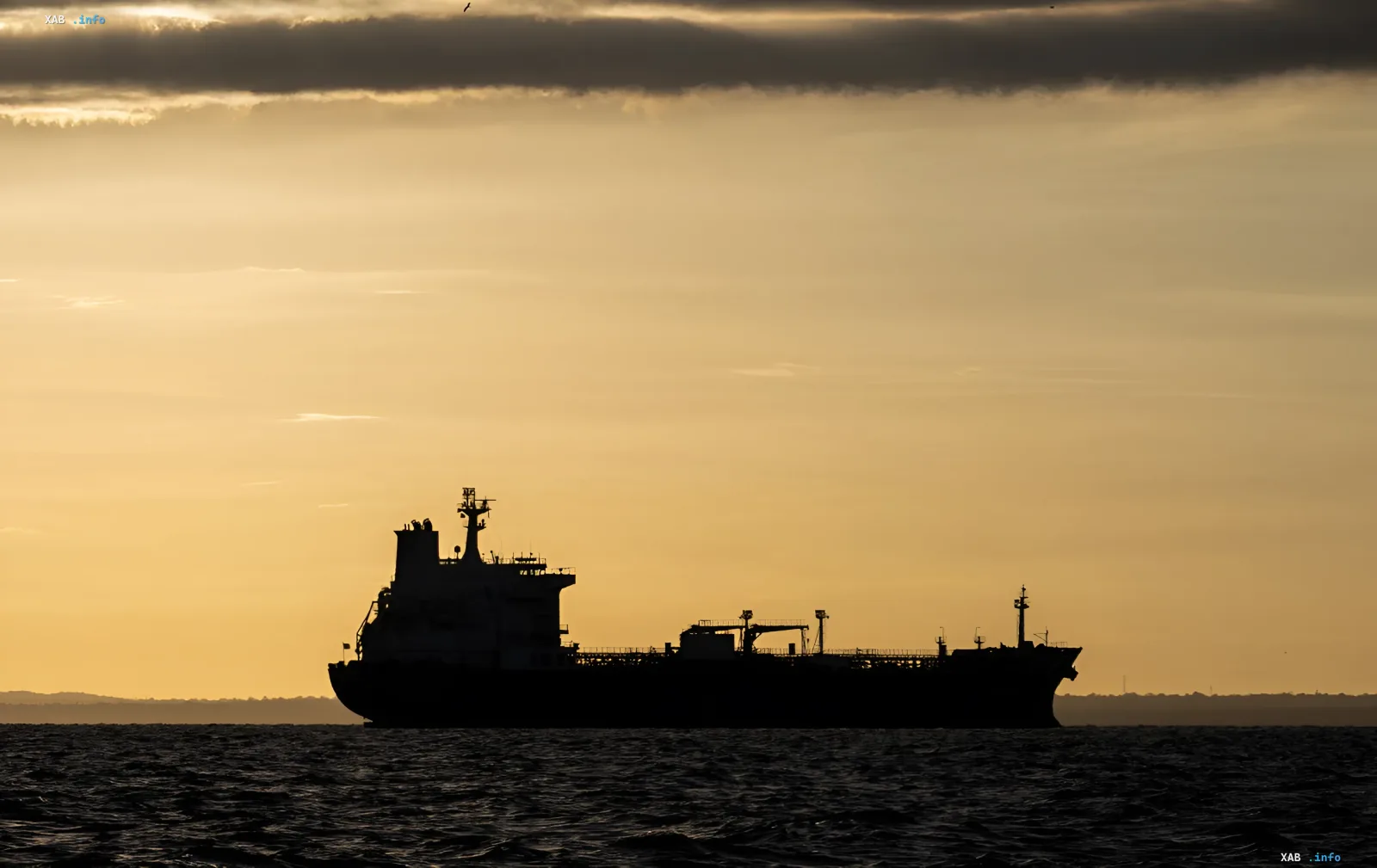
Indian oil refineries are being forced to trim imports of Russian crude from the record levels reached in July 2026. According to Sumit Ritolia, senior manager of modeling at the analytics firm Kpler, Russian supply to India will fall to roughly 2 million barrels per day in August — a notable decline from the July peak of 2.8 million barrels per day. Against this backdrop, the country's largest refinery, Indian Oil Corp., has already announced a series of tenders to purchase crude from the Americas and the Persian Gulf, while Hindustan Petroleum Corp. and Mangalore Refinery & Petrochemicals Ltd. joined in signing spot agreements to buy non-Russian feedstock this week.
Import Reduction and Its Causes
The decline in volumes is occurring against an expected rise in domestic demand in India: refineries are completing scheduled maintenance of their equipment, which will allow them to significantly increase production volumes in the near term. The Kpler expert attributes the trend to market normalization after the active July purchases, a drop in the availability of Russian exports, and intensifying competition for feedstock from China. Meanwhile, analysts expect that Russian supply to India will later stabilize slightly above the 2 million barrels per day mark, rather than entering a long-term decline.
Search for Alternative Feedstock
Under pressure on Russian oil exports, Indian companies have begun actively seeking alternative feedstock. Buyers are turning their attention to barrels from West Africa, the Americas, and Persian Gulf countries, despite regional tensions linked to the Middle East conflict. This is precisely why the tenders by Indian Oil Corp. and the spot contracts by Hindustan Petroleum and Mangalore Refinery & Petrochemicals Ltd. are focused on non-Russian sources, changing the procurement structure of the world's largest oil importer.
Strikes on Infrastructure and Shortages in Russia
The situation on the global market is further complicated by the war Russia unleashed against Ukraine and the conflict in the Middle East. According to tanker tracking data, total overseas oil exports from Russia have fallen over the past four weeks to 3.5 million barrels per day, compared with a July peak of over 4 million barrels. Waves of Ukrainian drone strikes on Russian refineries and Black Sea ports have, in the editorial assessment, led to fuel shortages within Russia and prevented Moscow from redirecting crude to external markets, which has become one of the key reasons for the reduction in Indian purchases.
The China Factor and the Asian Market
China is reportedly rapidly increasing its purchases of Russian crude to replace supply from the Middle East. This is causing a shortage of feedstock in India and, according to analysts, could lead to an acute fuel deficit across Asia. Thus, Indian refineries find themselves under dual pressure: on the one hand, the availability of the Russian barrel is shrinking, while on the other, competition for alternative feedstock is intensifying from the region's second-largest consumer.
Contradictory Data
There are discrepancies in assessments of the causes and prospects of the import reduction. On the one hand, the editorial framing and some statements emphasize that Indian refineries are cutting purchases "by force" — due to successful Ukrainian strikes on Russian infrastructure that disrupted export supply and created shortages. On the other hand, Kpler analyst Sumit Ritolia explains the decline primarily through market factors: normalization after the active July purchases, falling export availability, and competition from China, rather than solely a "forced" character. The forecast also diverges: some observers (including in a TKS publication dated August 21, 2026) characterize the July record as likely temporary, expecting stabilization slightly above 2 million barrels per day, while a stricter interpretation assumes a sustained structural outflow of the Russian barrel from India against a backdrop of an Asian fuel deficit. Both versions are presented for completeness; the final balance will depend on tanker flow dynamics and tender results in the coming weeks.
Impact on Global Prices
Against the restructuring of Asian flows, global quotes are showing a decline: according to Reuters, oil prices fell by roughly 3% over the past 24 hours, and this trend has persisted for several days. The combination of factors — strikes on Russian export infrastructure, India's switch to alternative sources, China's ramp-up of purchases, and Middle East tensions — makes the market volatile and lays the groundwork for further redistribution dynamics in Asia.