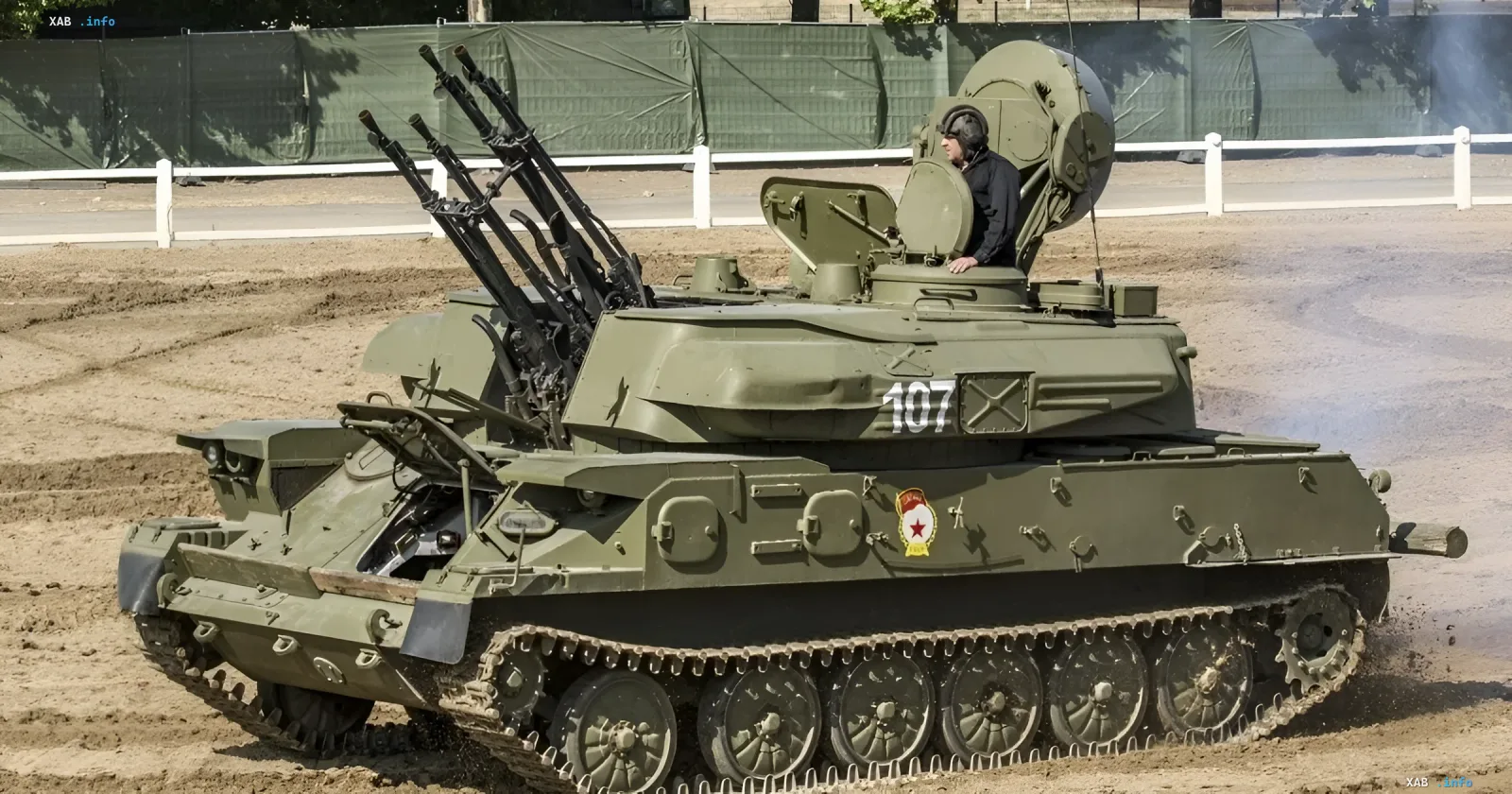
Amid growing security risks, Russian industrial facilities have begun transitioning to independent air defense provisions. The Kuibyshev Oil Refinery in Samara has officially posted vacancies for military equipment operators, including ZSU-23-4 "Shilka" self-propelled anti-aircraft systems and BMP-2M infantry fighting vehicles with the "Berezhok" module. This decision marks an unprecedented shift in the protection strategy for critical infrastructure in rear regions.
Recruitment Features and Personnel Requirements
The main condition for applicants wishing to operate complex combat vehicles is the mandatory signing of a mobilization contract with the Ministry of Defense of the Russian Federation. This approach indicates that the process of integrating heavy weapons into enterprise security structures is regulated at the state level. Judging by the organizational model, crews may be formed on the principle of volunteer units similar to well-known Cossack formations, creating a hybrid format between private security and regular units.
Contradictory Data
There are serious discrepancies in the assessments of experts and analysts regarding the supply of military equipment to refineries. On the one hand, a number of sources suggest that enterprises have received a unique opportunity to purchase scarce Soviet weapons from storage depots thanks to administrative resources. On the other hand, there is a conspiratorial version that the deployment of BMPs and "Shilkas" under the guise of refinery protection could be a covert instrument of secret mobilization. From this perspective, trained crews after signing contracts could be redeployed directly to the frontline rather than being used exclusively in the rear.State of Soviet Weapon Reserves
An analysis of the storage reserves of the Russian Ministry of Defense shows a high degree of depletion of such equipment resources. According to current data, there is a limited number of vehicles in service and at storage bases: about 500 units of BMP-2 and BMP-2M, up to 2,000 units of older BMP-1 and BMP-2 modifications, while "Shilka" self-propelled anti-aircraft guns are listed primarily in the Naval Infantry numbering about 60 units. The extreme scarcity of such installations casts doubt on the mass transfer of them to industrial facilities, emphasizing the exclusivity of the current initiative.
Implications for Industrial Security
The practice of involving army air defense systems and armored vehicles to cover oil refineries opens a new page in industrial safety issues. Despite the logic of protecting strategic targets from air threats, this raises debates about the expediency of redistributing scarce weapons from the army to the rear. The further development of this trend will show whether the Samara precedent will become an all-Russian practice or remain a one-off solution.