Ukraine continues to systematically strengthen its multi-layered air defense system, adapting to new challenges from the Russian army. According to Defense Minister Yevhen Khmara, countering air attacks is built on a multi-tier approach involving a wide variety of forces and assets: from anti-aircraft missile systems and MANPADS to modern interceptor drones and combat aviation.
Multi-Tier Air Defense and First Successes Against Jet Targets
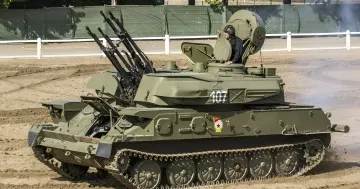
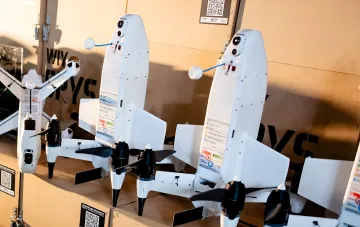
The Minister of Defense emphasized that Ukrainian forces are already demonstrating high efficiency in repelling complex air attacks. In particular, during the combat use of Bars-type interceptor drones, cases of 100% destruction of enemy targets were recorded—one unit destroyed five jet targets out of five launched. In addition, the use of large-caliber turrets is actively scaling up, with their number in service with the Ukrainian army numbering in the hundreds, alongside Mirage and F-16 aircraft.
New Threats: Jet Drones at 800 km/h
Despite these successes, the Russian side continues to develop its technology, preparing new generations of air threats for deployment. As Yevhen Khmara noted, the Ministry of Defense is aware of the enemy's plans to introduce jet drones capable of reaching speeds up to 800 km/h. In this regard, Ukrainian defense agencies are proactively working to find effective ways to counter such weapons, including testing four potential interceptors.
Contradictory Data
While official statements from the Ministry of Defense focus on the successful deployment of four types of interceptors and the 100% effectiveness of certain launches, discussions continue in expert circles and open sources regarding the scale of mass production for these systems. Some analysts point to logistical difficulties in rapidly supplying components in the required volumes, while the military department insists on rapid adaptation and the expansion of field testing.
Ballistic Problems and Asymmetric Responses
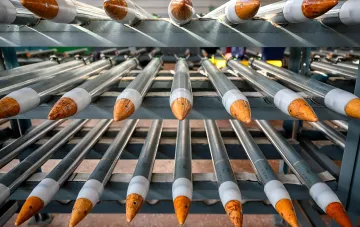
A critical issue for Ukraine's air defense remains repelling ballistic missile strikes due to a shortage of specialized interceptor missiles. The Ministry of Defense is negotiating with international partners to accelerate the delivery of dozens and hundreds of necessary munitions. At the same time, the Defense Forces are applying an asymmetric strategy: during September and early October, eight ballistic missile launchers were hit, three of which were completely destroyed and five damaged.