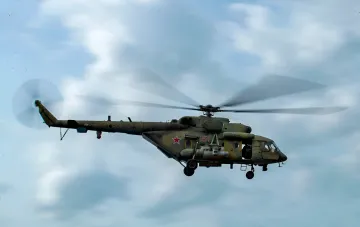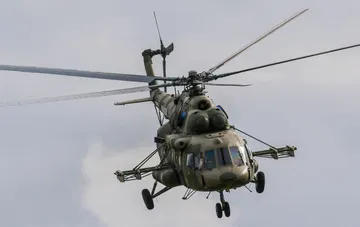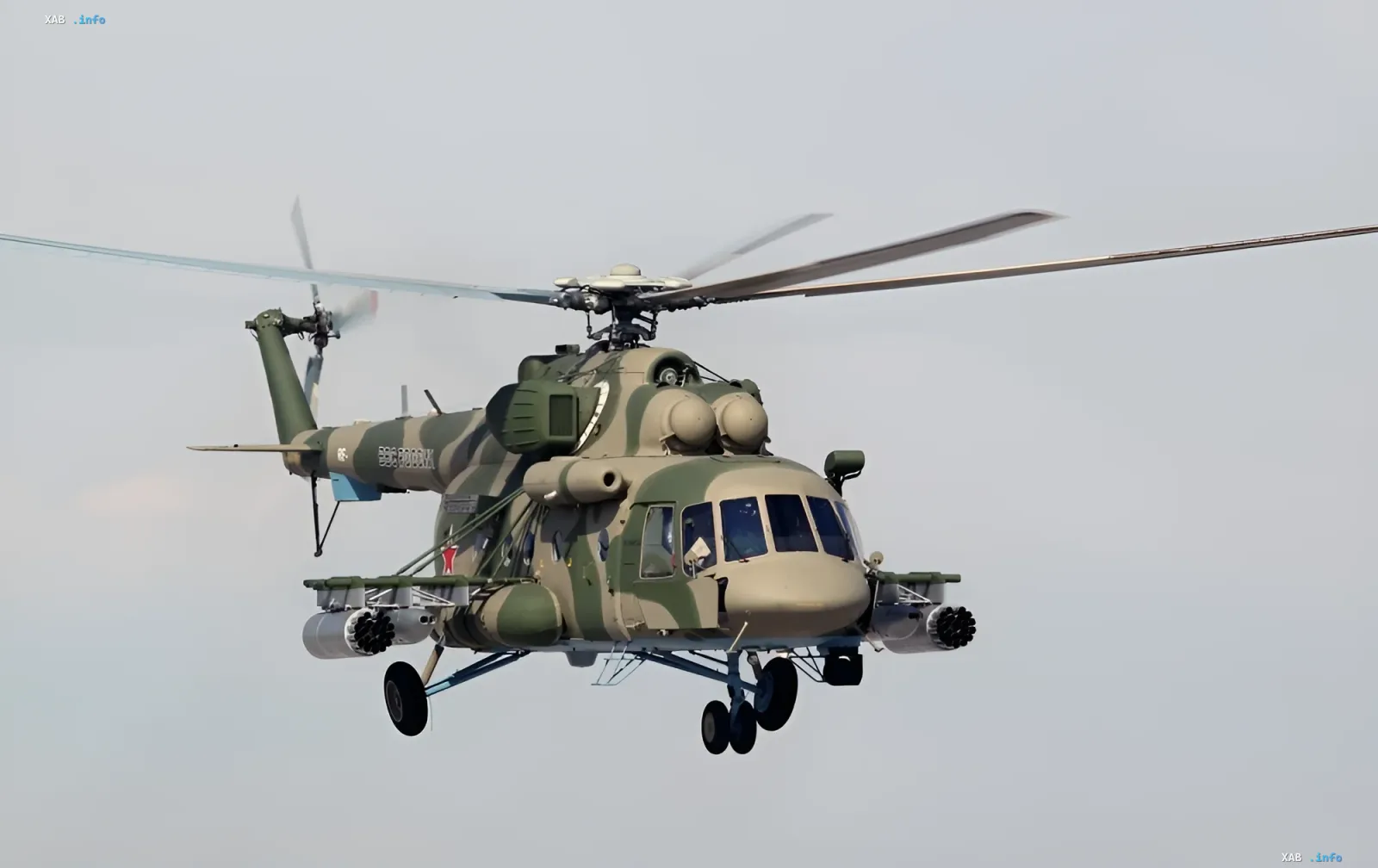
The incident involving the downing of a Russian Aerospace Forces Mi-8 military-transport helicopter in the Voronezh region occurred on October 1, 2026, during the repulsion of a massive air attack. According to open-source data and specialized analytical Telegram channels, the aircraft was mistakenly attacked by its own Su-35 fighter jet, whose crew mistook the rotorcraft for a Ukrainian unmanned aerial vehicle.
According to expert resources, in particular the 'Spionage Dossier' Telegram channel, the fighter pilot launched a missile at the target in a complex combat environment. As a direct result of the hit, the Mi-8 helicopter crashed, and all three crew members died instantly. This tragedy has once again drawn specialists' attention to the acute problem of coordinating actions between different branches of the military in border and rear regions.
Deployment of Aviation Forces in the Region
A significant number of army aviation units are concentrated in the Voronezh region and at adjacent airfields. In particular, the forces of the 549th Separate Army Aviation Regiment (military unit No. 12628), armed with modern modifications of the Mi-8AMTSh and Mi-8MTV-5 helicopters, are based here. In addition, the 15th Army Aviation Brigade of the Russian Aerospace Forces is stationed at the Baltimore airfield, along with specialized electronic warfare units, the National Guard, and the FSB Border Service, operating various modifications of the Mi-8 family of helicopters.
Contradictory Data
At present, certain gaps and discrepancies remain in the public space regarding the exact modification of the crashed helicopter and the official qualification of the event. While independent analytical sources and Telegram channels confidently state that the machine was hit by an air-to-air missile from an Su-35 fighter due to an identification error, official Russian security agencies refrain from detailed comments regarding the October 1, 2026 incident. Discrepancies also concern the scale of the air defense forces involved and the exact coordinates of the wreckage fall.
Consequences and Conclusions
Such 'friendly fire' incidents highlight the persistent systemic difficulties in the sphere of interaction and operational identification of aircraft using the 'friend-or-foe' system under conditions of intensive UAV use. The deaths of experienced crews deal a serious blow to the combat readiness of army aviation, forcing the command to revise safety protocols and coordination between fighter and army aviation when repelling air attacks.