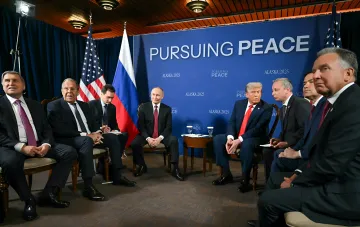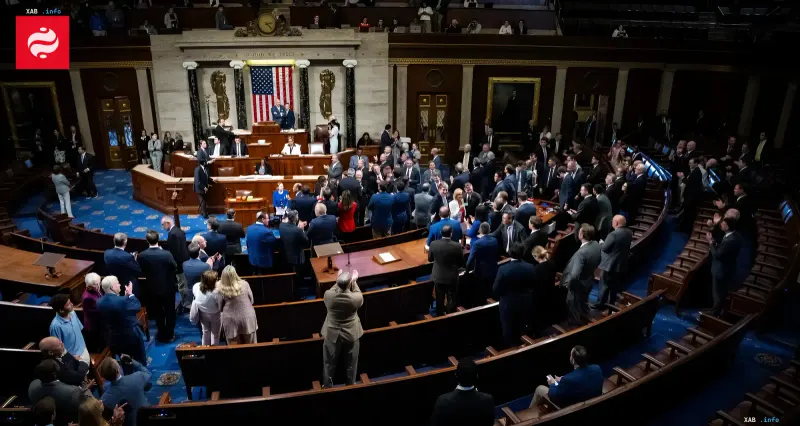
A debate has erupted in the US Senate over a new bill that could radically change the rhetoric and economic pressure on Moscow. Republican Senator Steve Daines introduced an amendment to the US defense budget requiring President Donald Trump to regularly assess Russia's actions regarding Ukraine. This was reported by Radio Liberty journalist Alex Raufoglu.
Mechanism of coercion for peace
The essence of the amendment is to create a strict reporting schedule for the White House. According to the document, within 15 days of the law coming into force, and subsequently every 90 days, the US President must officially determine whether Russia is refusing to engage in peace negotiations or violating already reached agreements.
The initiative arose against the backdrop of a de facto pause in the diplomatic process that occurred after negotiations in early 2026. The cause of the halt was the escalation of the conflict in the Middle East, which forced a re-evaluation of approaches to resolving the situation in Ukraine.
Personal sanctions against Putin
If the US President establishes even one of the listed violations, the document provides for the automatic imposition of sanctions against high-ranking Russian officials. Primarily, this refers to Vladimir Putin. The measures will include the freezing of assets and a complete ban on entry into the United States.
The list of potential targets for sanctions is significantly broader: foreign individuals supporting Russia's military efforts, Russian oligarchs already under sanctions, as well as Russian state banks, their executives, and mining sector companies could come under fire.
Economic blow to metallurgy
Steve Daines' amendment also contains strict economic restrictions. The document bans the import of Russian platinum group metals, nickel, and copper into the US. This ban will take effect 90 days after the law is passed.
It is important to note that the embargo on metals will remain in effect for at least one year after the US President officially confirms that Russia has ceased hostilities against Ukraine. Thus, legislators are trying to create a long-term lever of pressure that will work even after the formal end of the active phase of the conflict.