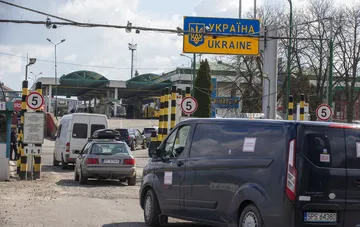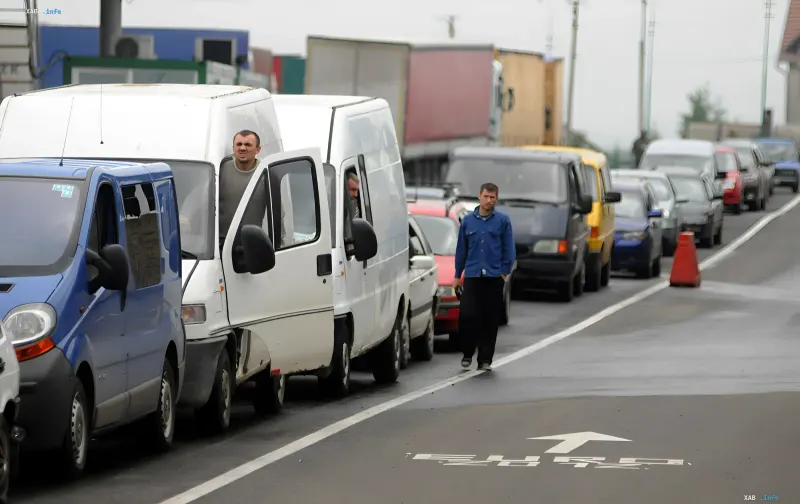
The State Border Guard Service of Ukraine has warned of periodic vehicle congestion at the most popular border checkpoints in the western direction. According to SBGSU spokesperson Andriy Demchenko, the heaviest traffic is traditionally recorded at three checkpoints — Ustylug in Volyn, Krakovets and Shehyni in the Lviv region, where the flow of cars noticeably increases on certain days.
Why Queues Form at These Specific Locations
Demchenko explained that the border with Poland remains the top priority for crossing, and citizens traditionally choose three routes with the most active traffic. It is in these areas that vehicle congestion occurs: the flow grows on certain days, leading to increased waiting times at the border crossing points.
Border Guards' Advice: Choose Alternative Checkpoints
To cross the border faster, the SBGSU spokesperson recommended using other checkpoints whenever possible. According to him, when heavy traffic builds up on the three main routes, neighboring checkpoints may have zero queues, significantly reducing waiting times for drivers.
How to Track Congestion in Real Time
Border guards publish up-to-date information on the congestion status of checkpoints on the Western Regional Directorate of the SBGSU Facebook page. Data for all routes is updated there every three hours, allowing drivers to plan their routes and choose the least congested border section.
Context: Negotiations on Relocating Customs Control and Launching a New Checkpoint
The SBGSU reminder about the heavy traffic on the western border came amid a series of infrastructural initiatives. Ukraine is reportedly negotiating with Poland and Slovakia to move customs controls deeper into their territories. Meanwhile, Moldovan Interior Minister Daniela Misail-Nikitin stated that the possibility of moving Ukrainian checkpoints to her country's territory is being considered. In addition, the Cabinet of Ministers of Ukraine has resolved to launch a new automobile checkpoint 'Bila Tserkva — Sighetu Marmatiei' on the border with Romania in the Zakarpattia region, which is expected to ease congestion on existing routes in the long term.