Indirect Charge: What the Investigation Established
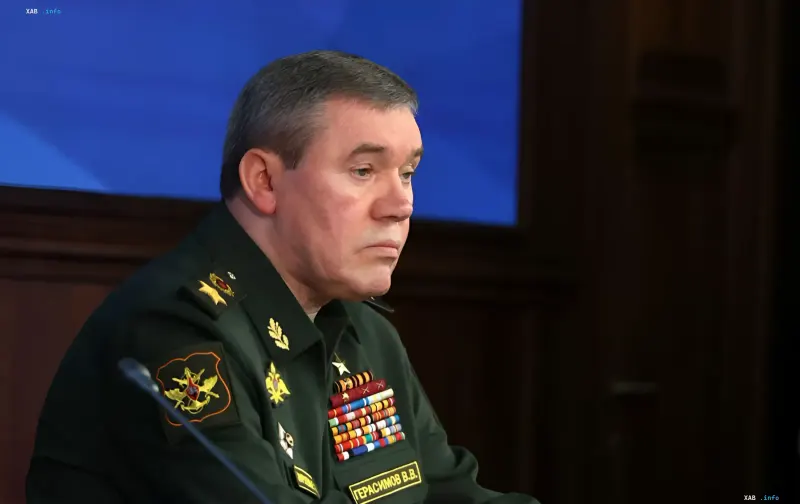
The Security Service of Ukraine (SBU) and the Office of the Prosecutor General have indirectly notified the Chief of the General Staff of the Armed Forces of the Russian Federation, Valery Gerasimov, of suspicion. According to military counterintelligence and SBU investigators, acting jointly with prosecutors from the Office of the Prosecutor General, since the start of the full-scale invasion the general has, per the investigation's version, personally issued combat orders for combined missile and aviation strikes on Ukraine's civilian infrastructure. As part of a new stage of the investigation, he is charged with directly commanding the largest attack on Kyiv, which took place in the summer of 2026.
The Night of July 2: Scale of the Attack
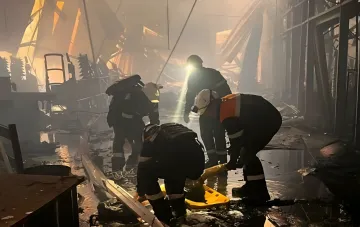
The investigation established that Gerasimov, per its data, personally directed the strike on the capital on the night of July 2, 2026. According to the investigation materials, Russian forces then employed 570 strike assets, including drones, as well as hypersonic and ballistic missiles, including the "Zircon" and "Iskander-M." As a result of the attack, according to law enforcement, more than 100 people were injured, of whom 70 were hospitalized with injuries of varying severity. More than 20 residential buildings in various districts of Kyiv were damaged.
Legal Qualification and International Context
Based on the evidence gathered, Gerasimov has been indirectly charged under Part 2 of Article 438 of the Criminal Code of Ukraine — for war crimes that resulted in the deaths of people. This is not the first legal action taken against the general: in June 2024, the International Criminal Court in The Hague issued an arrest warrant for him, based on evidence of involvement in missile strikes on Ukraine's energy infrastructure in 2022–2023. Since the general is located on Russian territory, Ukrainian law enforcement, per their statement, continue measures aimed at holding him accountable.
Contradictory Data
There are inconsistencies in the public statements of the parties that are important to take into account. First, the charge is qualified under Part 2 of Article 438 of the Criminal Code, i.e., as war crimes that "resulted in the deaths of people," yet the figures published by the investigation regarding the July 2, 2026 attack emphasize the injured (more than 100 people, 70 hospitalized) and do not include a confirmed number of deaths from that specific strike. Second, a number of Ukrainian media outlets (in particular life.ru) describe the indirect notification of suspicion as the "third" against Gerasimov, whereas the basic materials from the SBU and the Office of the Prosecutor General emphasize that the investigation into the attack on Kyiv and the Kyiv region on July 2, 2026, was initiated earlier and has now moved to the stage of formalizing the suspicion. Thus, the sequence and numbering of the stages of prosecution are presented with discrepancies across different sources.
The General's Status and Next Steps
Valery Gerasimov, per available data, continues to remain in Russia, which makes the indirect form of accusation the only tool of the Ukrainian investigation at the current stage. The SBU and the Office of the Prosecutor General remind that they had previously initiated an investigation into the Chief of the General Staff of the Russian Armed Forces in connection with alleged involvement in organizing massive missile-aviation strikes on Ukraine's civilian infrastructure, in particular the attack on Kyiv and the region on July 2, 2026. An official response from Gerasimov's side itself is not provided in the available materials.