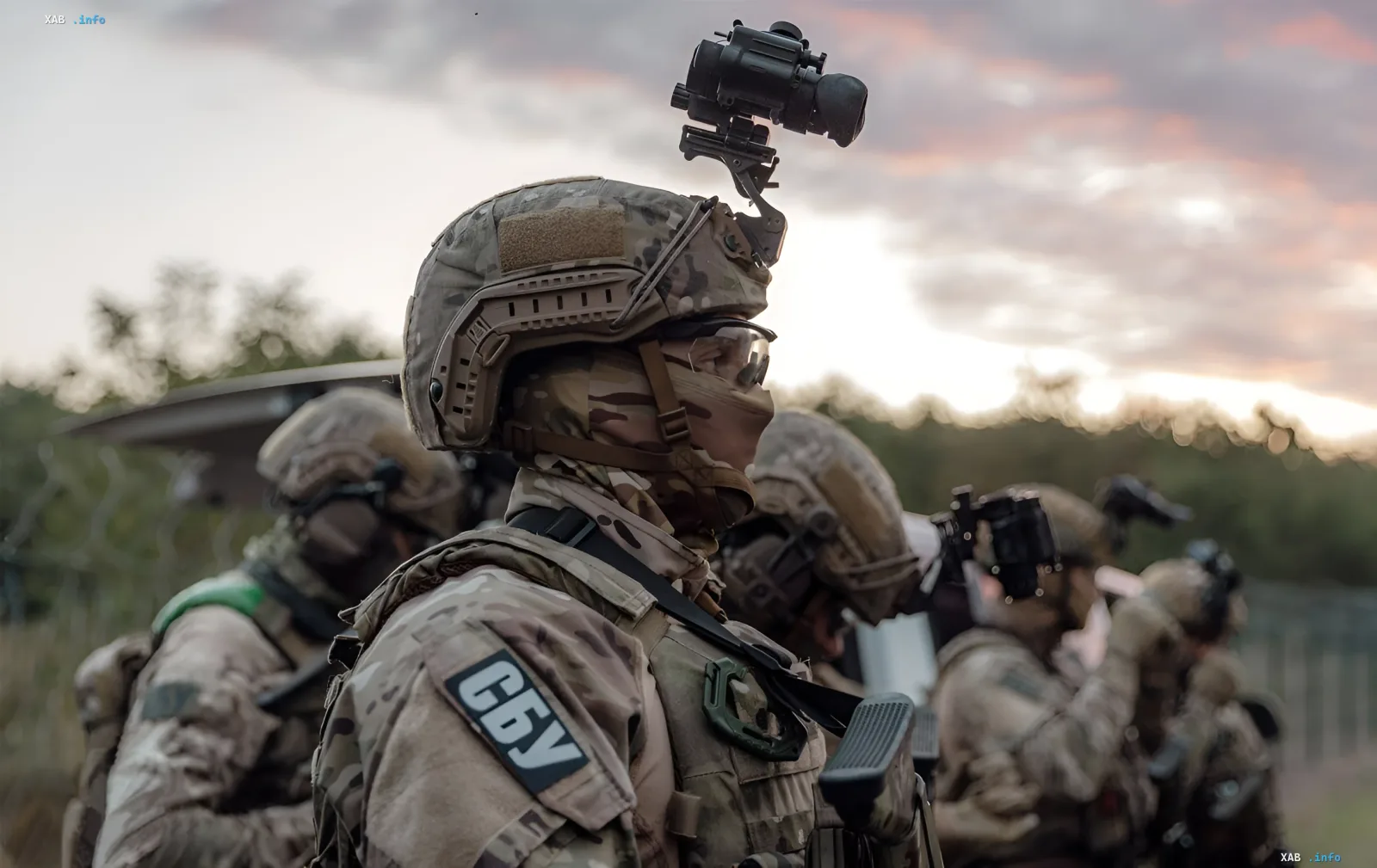
The counterintelligence of the Security Service of Ukraine (SBU) prevented a large-scale terrorist attack in Ivano-Frankivsk. Russian special services planned a double explosion in the courtyard of a residential complex, which was intended to cause numerous casualties among civilians and emergency service personnel.
Recruitment Scheme via Telegram
The organizers of the attack operated according to a well-established scheme that has become one of the most common in recent times. Russian agents recruited a local unemployed person who was looking for "easy money" in Telegram channels. It was in the messenger that the suspect received instructions from his handlers.
After undergoing agent training, the recruited individual rented an apartment with a view of the planned explosion site. To coordinate actions, he placed a phone connected to a power bank in the courtyard so that handlers from Russia could remotely select the ideal spot for placing explosives.
"Deadly Pots" and the Double Strike
The plan of the Russian special services was cunning and cruel. The suspect purchased components for creating improvised explosive devices (IEDs). According to the enemy's design, the explosives were to be disguised as ordinary kitchen pots.
Each of these "pots" was supposed to contain:
- 6 kg of explosive material;
- a detonator;
- hundreds of metal bolts serving as shrapnel.
The attack scenario provided for two stages:
The first device was planned to be planted between parked civilian cars. The explosion was intended to attract attention and cause a commotion. As soon as local residents, law enforcement officers, medics, and rescuers arrived at the scene, Russian handlers were to remotely activate the second device. It was also filled with shrapnel and concealed nearby to inflict maximum damage on the arriving services.
Results of Counterintelligence Work
SBU specialists documented all stages of the crime preparation and identified the Russian special service officers involved in planning the terror attack. Thanks to operational actions, the explosions did not take place, and human casualties were prevented.
This incident confirms the data previously announced by the SBU and the Center for Countering Disinformation: Russian special services have intensified and are using new recruitment schemes. Statistics show that 82% of foiled terrorist attacks in Ukraine were carried out through recruitment via Telegram.