A new international dispute has erupted over a stop of the Junior Grand Prix in figure skating held in Ankara. The Ukrainian Figure Skating Federation issued an official statement expressing outrage over the presence of Russian coach Evgeni Plushenko at the competition. According to Sport RBC.UA, Plushenko was at the tournament as the coach of his son Alexander, who competed under the flag of Azerbaijan in this event and ultimately finished 13th — his first result at the international level.
Who competed and under which flag
Alexander Plushenko, son of the two-time Olympic champion, made his debut at a senior international tournament precisely at this stop of the Junior Grand Prix. Notably, he was listed in the entry lists under the flag of Azerbaijan, not Russia. At the end of the competition, the young skater finished 13th. Russian media, in particular KP.ru and Sport-Express, noted that Evgeni Plushenko himself took his son's result calmly and publicly supported him after the performance.
The position of the Ukrainian federation
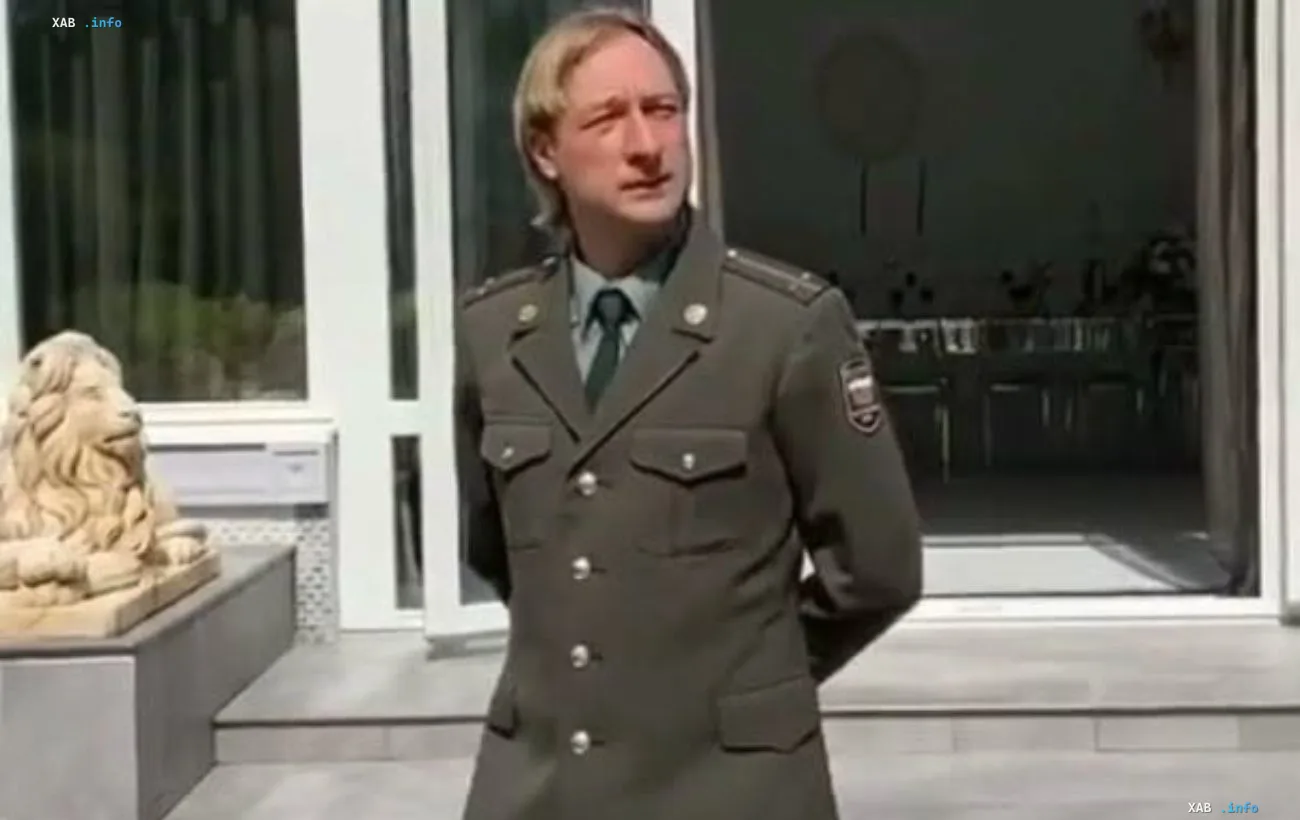
In the statement published by the Ukrainian Figure Skating Federation, emphasis is placed on two circumstances. First, the organization calls Evgeni Plushenko an "outright supporter of the war" against Ukraine and reminds of his military rank. Second, the federation expresses surprise that its Azerbaijani counterparts listed him as a coach, and that the organizers of the Ankara stop granted him accreditation. "We are surprised by the decision of our Azerbaijani colleagues, who entered an outright supporter of the war as a coach for the competition, as well as by the organizers of the Junior Grand Prix stop in Ankara, who provided him with accreditation," the statement reads, as cited by Sport RBC.UA.
The question of ISU admission criteria
The Ukrainian federation also raised a broader question: do the admission criteria developed by the International Skating Union (ISU) for Russian athletes, coaches, and officials to participate in international competitions even carry any weight? The statement emphasizes that, in the organization's view, the provisions of these criteria "are not only not being observed but also contradict the ethical foundations of sport." Thus, the incident in Ankara is turning from a local complaint into a systemic discussion about how the rules adopted at the ISU level are implemented in practice.
Contradictory data
Here it is important to distinguish two points of view. On the one hand, the ISU has indeed developed and published admission criteria for Russian and Belarusian specialists to participate in international competitions, and their formal compliance rests with the national federations and the organizers of each stop. On the other hand, the Ukrainian federation claims that in Plushenko's case these criteria were ignored: a person who publicly supports military aggression and holds a military rank was granted accreditation and took part in the work at the competition. Russian and Turkish sources covering the tournament itself do not comment on the Ukrainian side's complaints and only record Alexander Plushenko's sporting result (13th place). Thus, the fact of Plushenko's accreditation and presence at the stop is confirmed, while the assessment of his person and the organizers' actions remains a matter of opinion, which, according to the law, cannot be refuted.
Outcome and prospects
The incident in Ankara has become the latest episode in a prolonged discussion about how the rules for the participation of Russian specialists in international sporting events are being shaped amid a geopolitical conflict. The Ukrainian federation will most likely take its complaints to the ISU level in order to obtain an official answer on how the admission criteria were applied. For now, this tournament has become Alexander Plushenko's first international experience, and for his father — an occasion for a new public conflict on the international figure skating arena.