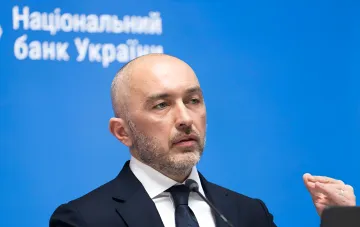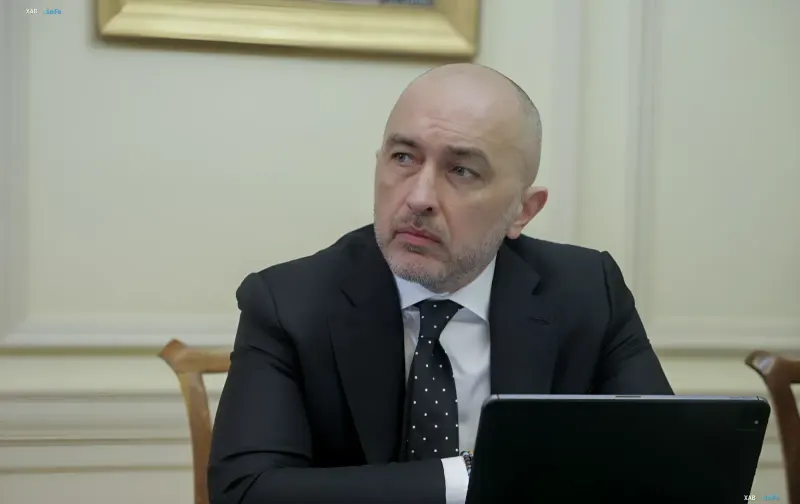
On August 19, 2026, the Verkhovna Rada of Ukraine held one of the most high-profile sessions in recent times. By a majority vote — 155 in favor — deputies decided to summon the head of the National Bank of Ukraine, Andriy Pyshny, to report on the situation surrounding the state-owned Sense Bank. The trigger was a large-scale investigation by the National Anti-Corruption Bureau of Ukraine (NABU) and the Specialized Anti-Corruption Prosecutor's Office (SAPO), which uncovered a criminal organization involved in laundering 150 million hryvnias through the bank's accounts.
The 150 million scheme: how money flowed through the state bank
According to the investigation, an organized group, including current and former MPs as well as high-ranking officials from the President's Office, used Sense Bank mechanisms to legitimize large sums of money. In early June, the organizers gained de facto control over the bank and began channeling cash through it via a network of shell companies. According to law enforcement, the goal of the operation was to pay bail for one of the defendants in the high-profile "Midas" case.
Political resonance: from Zelenskyy to Zheleznyak
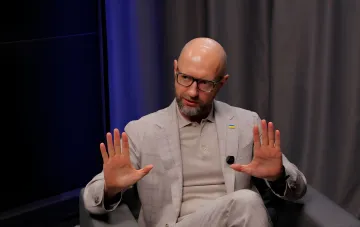
The scandal went beyond the financial system and touched the highest echelons of power. MP Yaroslav Zheleznyak, in an interview on one of the channels, hinted that among the defendants is a sitting parliamentarian known as a developer. Another deputy, Oleksiy Honcharenko, reported searches at the residence of the Deputy Head of the President's Office, Iryna Mudra. Later, President Volodymyr Zelenskyy fired Mudra from her position by decree. According to RBC-Ukraine, MP Vadym Stolar and former parliamentarian Maksym Mykitasy may also be involved in the case.
Contradictory data
While NABU and SAPO officially confirmed the fact of the special operation and the existence of a criminal organization, details of the involvement of specific individuals remain a subject of debate. Some sources point to the direct participation of PO officials, while others suggest only indirect influence. There is also no consensus on how deeply the NBU structure itself was involved in the scheme. Andriy Pyshny has not yet made public comments, but his summons to the Rada indicates the seriousness of the situation.
Consequences for the financial system and trust in regulators
The Sense Bank case has dealt a serious blow to the reputation of the state banking sector and the regulator. If it is confirmed that the bank was used as a tool for money laundering, this could lead to a review of control mechanisms for state financial institutions. Furthermore, summoning the head of the NBU to parliament is an unprecedented step that could set a precedent for future audits of the regulator's activities.
What's next: parliamentary oversight and possible reforms
Andriy Pyshny's report to the Verkhovna Rada will be a key moment in the development of the case. Deputies expect not only explanations but also specific measures to prevent similar abuses in the future. Changes in legislation regarding the control of state banks are possible, as well as an increased role for NABU and SAPO in monitoring financial flows. The creation of a special parliamentary commission to investigate the circumstances of the case is also not excluded.