Scientists have obtained new evidence that the first RNA molecules could independently "repair" themselves even before the emergence of complex proteins. This discovery sheds light on one of the key stages of the origin of life on Earth and confirms the hypothesis of the existence of an "RNA world".
According to a study published in the journal Nature Communications, initial ribonucleic acid molecules possessed a unique ability to heal breaks in their chain without outside help.
From the Primordial Soup to the RNA World
One of the main theories of the origin of life is the concept of the "primordial soup." It suggests that the first building blocks of life formed from inorganic compounds in the primeval ocean. However, for a long time, the question remained open: which molecule was the first?
Most researchers lean towards the version that it was RNA. Unlike DNA, the RNA molecule possesses exceptional flexibility. It is capable not only of storing genetic information but also of folding into complex three-dimensional structures — ribozymes. These formations work like protein enzymes, accelerating chemical reactions.
Mechanism of Self-Repair
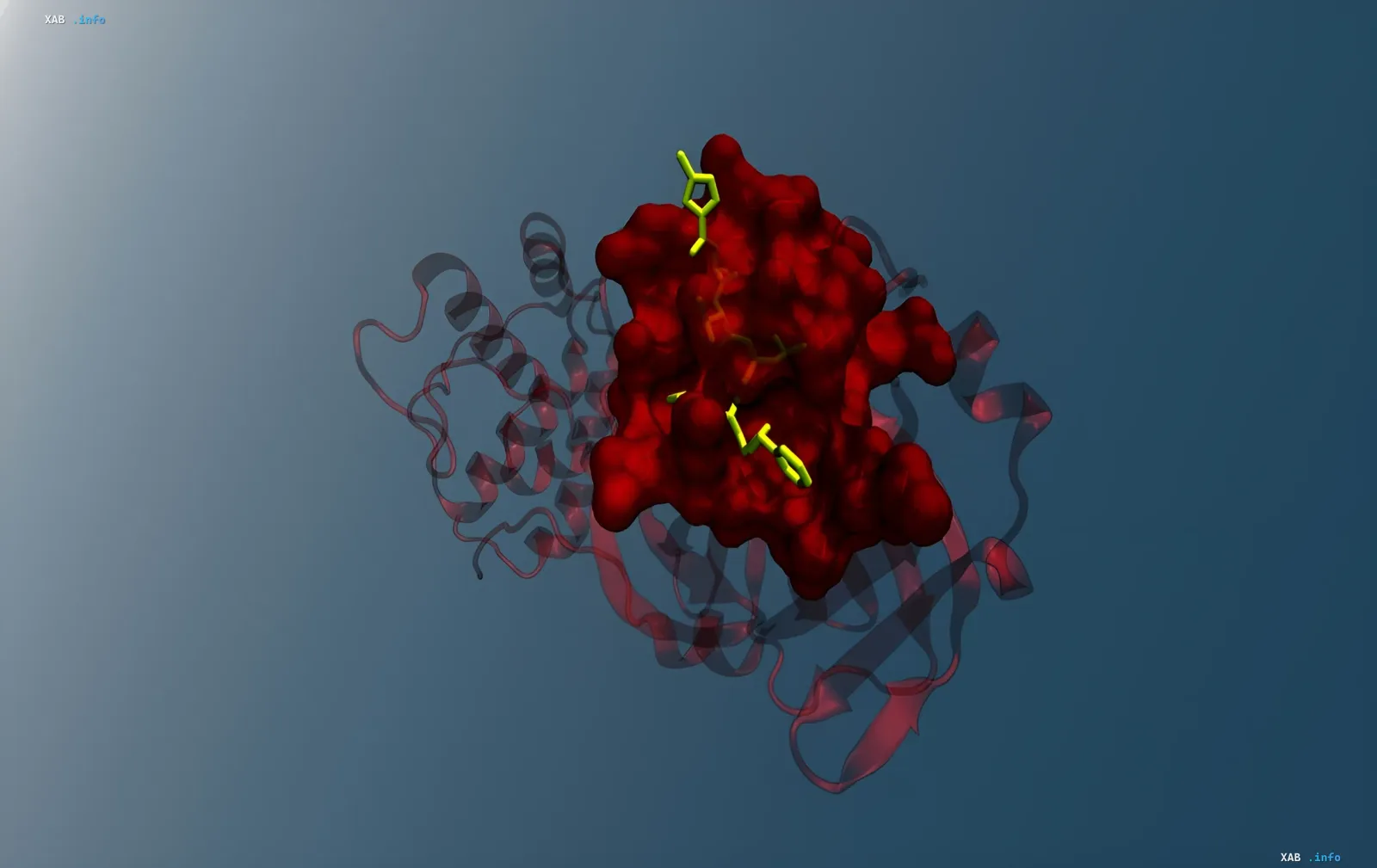
The main mystery for science remained the question of how ancient RNA protected itself from destruction and restored the integrity of its chain. Conducting laboratory experiments on artificial evolution, scientists accidentally discovered a ribozyme specializing specifically in "repair" work.
The mechanism of action of this ribozyme turned out to be simple and effective:
- Locating the break: When an RNA strand breaks, a phosphate group forms at its end, which serves as a chemical "damage marker".
- Recognition: The ribozyme finds the damaged site by a specific nucleotide sequence.
- Repair: With the help of magnesium ions, which help molecules take the correct position, the ribozyme accelerates the reaction of gluing the break by 100,000 times, creating a strong bridge.
Interestingly, during the restoration process, a special chemical bond (2'-5' bond) is formed, which is practically not found in modern living organisms. Nevertheless, experiments have confirmed that such a "seam" is safe and does not hinder the molecule from performing its functions.
Practical Significance of the Discovery
Proof of the existence of a full-fledged "RNA world," where one molecule acted as an information carrier, a builder, and a repairman, has not only theoretical but also practical significance.
Scientists hope to use this mechanism in medicine. Many dangerous diseases, including viral infections and some types of cancer, are associated with the production of defective, pathological RNAs by cells. Since the new ribozyme can flawlessly recognize specific sequences of damaged RNA, ultra-accurate early diagnosis and treatment systems can be created based on it.
Cosmic Traces and Evolution
The discovery also fits into the broader context of the origin of life. The foundations for building DNA and RNA could have appeared not only on Earth — their traces are regularly found in soil samples from the Ryugu and Bennu asteroids.
In addition, chemists have already managed to reproduce in the laboratory the process in which amino acids independently attached themselves to the RNA strand — this is how the first protein molecules probably arose. And the generators of evolution, stimulating the appearance of the first organic matter from inorganic substances, could be microlightning in the atmosphere of the ancient Earth.