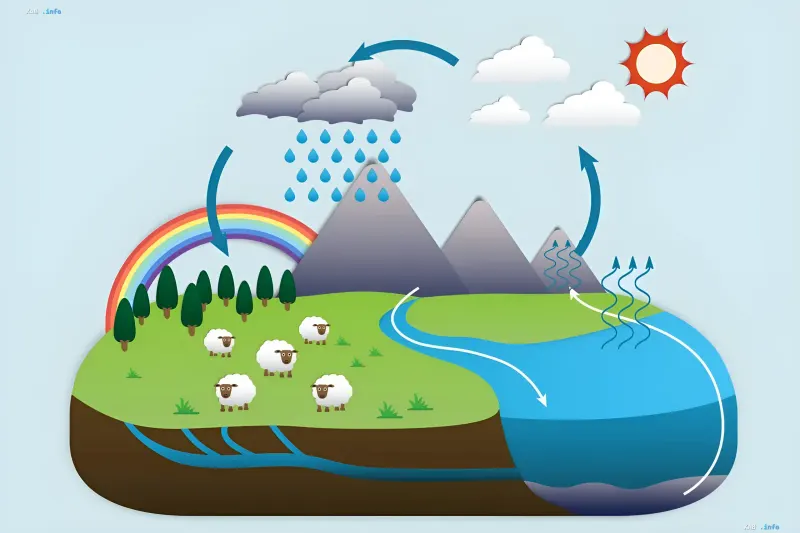
According to a recent report by the World Meteorological Organization (WMO), the global water cycle on Earth is showing signs of widespread and dangerous instability. Climate change is provoking sharp contrasts: while some regions of the planet suffer from devastating droughts, others face unprecedented floods and flash floods. This imbalance directly undermines strategic freshwater reserves, threatening food security and ecosystem stability.
Scale of the Crisis and Land Water Depletion
The WMO report on the state of water resources includes a detailed analysis of data obtained through satellite observation systems, ground stations, and hydrological sensors. The study revealed a disturbing trend: global terrestrial water storage has been steadily declining since approximately 2016. Specifically, throughout 2025, water availability across 42% of the globe's territory was significantly below historical averages, and river runoff volumes dropped to their lowest levels in 35 years, marking one of the driest periods in modern history.
Catastrophic Glacier Melting
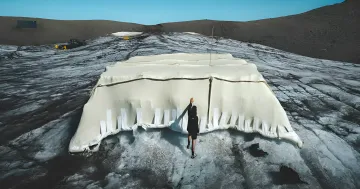
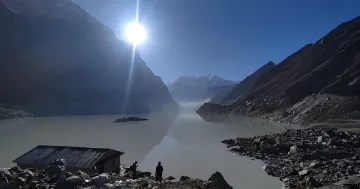
A crucial factor exacerbating the water crisis is the ongoing reduction of the glacier cover. The report notes that in 2025, significant ice loss was observed in all major glacial regions of the planet for the fourth consecutive year. Such dynamics not only accelerate the rate of global sea-level rise but also create a long-term threat of catastrophic freshwater scarcity for millions of people who depend on seasonal glacier melt in mountain systems.
Regional Vulnerability and Humanitarian Impacts
The heaviest impacts of climate and hydrological instability are borne by the densely populated regions of Asia and Africa. According to WMO statistics, over the past five years, these two parts of the world accounted for at least half of all recorded extreme hydrological events on the planet and more than 80% of all fatalities caused by them. Such statistics highlight the critical vulnerability of local infrastructure and the urgent need to implement effective early warning systems.
The Need for Global Action and Monitoring
Experts and authors of the report insist on the urgent need for a fundamental modernization of water resource monitoring systems at national and international levels. Without transparent data sharing, deep analytics, and a rational approach to water management, humanity risks facing uncontrolled water scarcity. Improving the observation network in key regions will allow for more accurate prediction of climate risks and proactive preparation for their severe consequences.