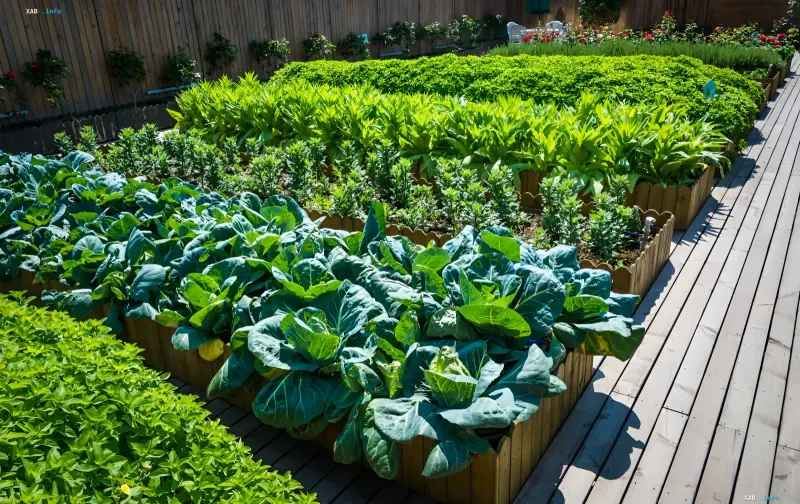
On August 14, 2026, many gardeners will have already finished harvesting onions, freeing up beds in the middle of the season. This is the ideal time to reuse the soil — with the right choice of crops, you can get another full harvest before the cold sets in. Experts recommend choosing plants with a short maturation period that are resistant to cooling and capable of quickly forming a harvest under conditions of decreasing daylight.
Radish and Greens: Quick Solutions for August Sowing
One of the best options for replanting is radish. Under favorable conditions, it forms root vegetables in 25–35 days. The cool nights of late summer and early autumn even promote its growth, making the root vegetables juicier. It is important to choose early-ripening varieties and plant them in sunny areas. The soil should be well-moistened before sowing, and after germination, it should be watered regularly to avoid drying out.
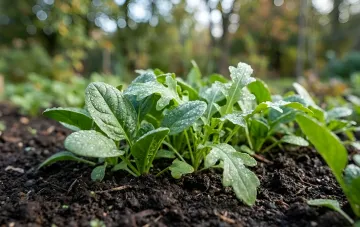
Leafy crops are no less effective: dill, lettuce, and arugula. Dill germinates quickly with sufficient moisture; it can be cut gradually and used in salads and hot dishes. Leaf lettuce, especially varieties like 'Lollo Rossa' or 'Iceberg', does not require a long warm season and tolerates autumn conditions well. For a continuous harvest, seeds are sown in batches every 10–14 days. Arugula also grows quickly, does not take up much space, and produces tender leaves with regular watering.
Broccoli Raab and Carrots: Unusual but Promising Crops
For those who want to try something new, experts recommend broccoli raab (rapini). Unlike regular broccoli, this crop is grown for its young shoots and leaves, not the head. It tolerates cold well, and the first harvest can be collected just 40–60 days after sowing. Shoots are cut at a height of 15–20 cm, before the flower buds open — this stimulates the growth of new branches and allows for multiple harvests.
Also, at the end of summer, you can sow frost-resistant varieties of carrots. Under favorable conditions, the root vegetables can be left in the ground until spring, provided they are protected from freezing. To do this, after stable frosts set in, the bed is covered with a layer of straw, leaves, or sawdust 15–20 cm thick. In spring, the carrots are dug up gradually, without waiting for the new planting season.
Soil Preparation and Regional Features
Before replanting, it is necessary to remove plant residues, loosen the soil, and add mature compost if necessary. If the soil is dried out, it should be watered abundantly. The choice of crop depends directly on the region, weather, and the date of onion harvest. In southern regions, you can risk planting more heat-loving crops, whereas in central and northern regions, it is better to focus on cold-hardy options.
Contradictory Data
Although most sources agree that radish, greens, and rapini are optimal crops for August sowing after onions, there is disagreement regarding carrots. Some agronomists believe that even frost-resistant varieties will not have time to form full root vegetables before the frost under short-day conditions. Others claim that with proper covering and variety selection, carrots can be left in the ground until spring. These contradictions require an individual approach depending on the climate zone and specific weather conditions of the 2026 season.
Conclusion: Maximizing Harvest at the End of Summer
August is not the end of the season, but an opportunity to extend its productivity. A competent selection of crops, timely soil preparation, and consideration of climatic features allow you to get a second harvest even after harvesting onions. The main thing is to act quickly and choose plants that will have time to ripen before the first frosts. This approach not only increases the total volume of the harvest but also makes gardening more efficient and economically beneficial.