Amid a prolonged military conflict and threats from Iran, the Pentagon has implemented a large-scale and secret operation to restore shipping in the Strait of Hormuz. According to data obtained by Axios from two senior US officials, American military forces have created a safe corridor allowing millions of barrels of oil to leave the Persian Gulf daily. The operation, which has been ongoing for several weeks, has become a strategic success, even though the war in the region as a whole remains at a stalemate.
Operation Mechanics and Logistics
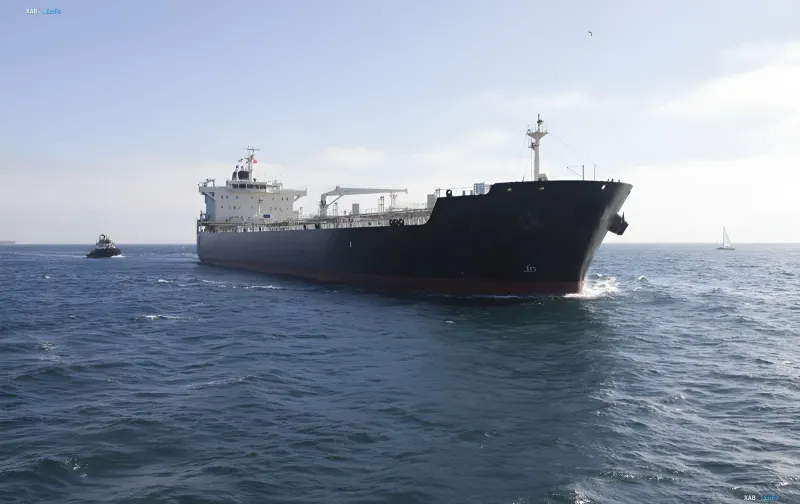
According to sources, tankers are passing through the southern channel along the coast of Oman, bypassing the main risk zones. In recent weeks, between 15 and 20 large vessels have passed through this corridor. Currently, on Tuesday evening, the movement of more than 20 vessels is expected, which could potentially release about 15 million barrels of oil onto the global market. This constitutes approximately half of the pre-war supply volume, significantly impacting the stabilization of the energy market.
Military Escort and Management
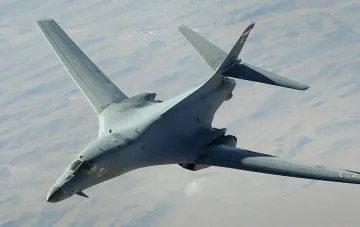
The operation is not limited to simply escorting vessels. The group is managed by the headquarters of the US Army's 82nd Airborne Division, located in Fort Bragg (North Carolina). The working group closely coordinates actions with regional partners from Persian Gulf countries. Each vessel is assigned several checkpoints it must pass through, reporting its status. US Air Force fighters provide air cover, actively searching for and shooting down Iranian cruise missiles and drones.
Weakness of Iranian Air Defense
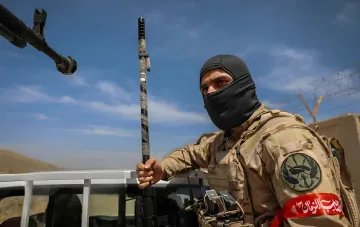
According to officials, the success of the operation was made possible by a recent two-week military campaign by the US Central Command (CENTCOM), which significantly degraded the operation of Iranian radar and maritime surveillance systems. As a result, the Islamic Revolutionary Guard Corps (IRGC) no longer fully controls the strait. Iranian weapon systems are now forced to launch missiles approximately in the direction of ship movement, reducing attack accuracy. Despite this, some vessels have still been damaged, although most attacks were successfully repelled.
Contradictory Data
There is a significant gap between statements by US officials and Iran's position. While American officials claim control over the southern part of Hormuz and successful oil transport, the Iranian side insists that the strait will not be opened until the US fulfills all conditions of the Islamabad Memorandum of Understanding. Furthermore, earlier US President Donald Trump stated the possibility of "replacing" the Strait of Hormuz and importing oil from other regions, which contradicts current active actions to break the blockade specifically at this choke point.
Impact on the Market and Geopolitics
The resumption of supplies through Hormuz has a noticeable impact on the global economy. Oil prices are showing growth against the backdrop of contradictory statements from both sides regarding the status of the strait. While the US demonstrates the ability to force the strait, Chinese tankers, according to some sources, continue to bypass Hormuz due to high war risks. Nevertheless, the creation of a "corridor" proves that the US is capable of maintaining critical logistical chains even during the active phase of a conflict.