Tehran's Plan: Response to Trump's Escalation
Amid rising tensions in the Middle East, Iranian authorities have developed scenarios for retaliatory strikes against United States military facilities located in Europe. According to insider sources, Tehran is considering attacks if US President Donald Trump decides on a new escalation of the conflict. The Iranian regime is demonstrating a willingness to expand the geography of the confrontation beyond the Persian Gulf region.
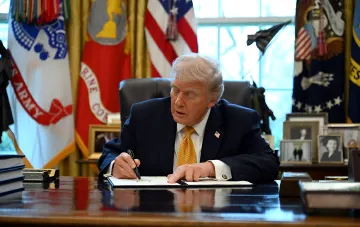
A key factor influencing decision-making in Tehran is the position of Washington. In his recent statement, Trump categorically rejected the existence of any negotiations with Iran, stating that "there are no ongoing or planned talks between Washington and Tehran." This statement coincided with personnel reshuffles in Iran, where Supreme Leader Ayatollah Mojtaba Khamenei appointed hardliners to key posts, signaling a shift towards a more aggressive strategy.
Bulgaria and Cyprus: Priority Targets
Among European countries that could come under attack, Bulgaria and Cyprus stand out. Tehran pays particular attention to the Bezmer air base in Bulgaria. In July 2026, Sofia officially allowed American aircraft to use this base for refueling, making it a strategically important hub for US Air Force logistics in the region. Iranian military analysts view this infrastructure as a legitimate military target in the event of an open conflict.
Furthermore, Cyprus is in the danger zone. In March of this year, an incident involving a drone attack on a British military base occurred on the island, confirming the region's vulnerability. Iranian intelligence services are likely studying this precedent to plan similar operations against US assets located on the territory of the republic.
Strike on Infrastructure: Strait of Hormuz
In addition to direct strikes on bases, Iran is considering sabotage against critical infrastructure. In particular, a scenario involving damage to submarine fiber-optic cables in the Strait of Hormuz is being discussed. An attack on communication lines could paralyze information exchange and cause colossal economic damage to global trade, becoming a powerful lever of pressure on Western countries.
Negotiations on restoring stability in the Strait of Hormuz have effectively stalled. Iran has no intention of opening the strait without the fulfillment of its demands on the US. In response, Trump voiced a radical plan to declare the Strait of Hormuz US territory, which only exacerbates the situation and brings the region closer to the threshold of full-scale war.
Russia's Role in Arming Iran
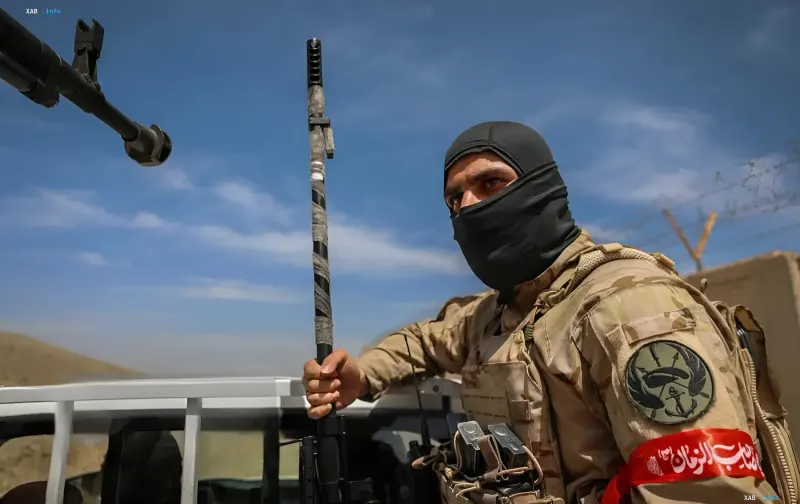
The strengthening of Iran's military potential is impossible without considering the factor of external assistance. It was previously reported that Russia continues to supply Iran with explosives, drone components, and ammunition. These resources allow Tehran to maintain a high level of readiness and expand the capabilities of its strike groups, including proxy forces in the region.
Contradictory Data
There are discrepancies in assessments of Iran's readiness for immediate action. On the one hand, sources indicate that attack scenarios have already been worked out and are in the ready stage. On the other hand, the lack of official statements from Tehran and the absence of confirmed facts of transferring strike groups to Europe allow some experts to consider these threats part of an information war aimed at containing the US. Nevertheless, personnel appointments in Iran and the halt in negotiations speak to the seriousness of the regime's intentions.