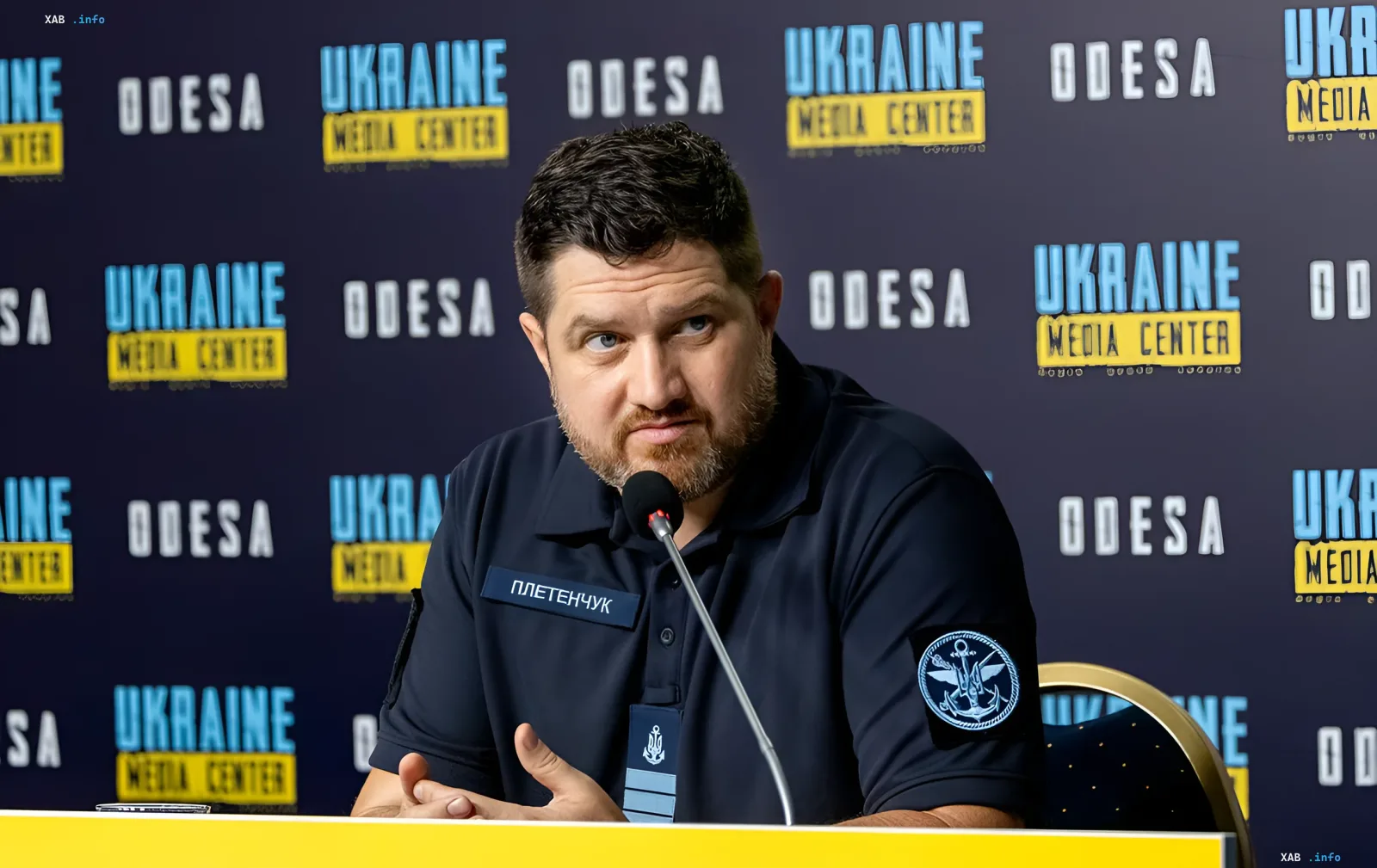
The situation in the waters of the Black and Azov Seas is undergoing significant changes. As Dmytro Pletenchuk, spokesperson for the Ukrainian Naval Forces, stated during a televised marathon, there has been a noticeable decrease in the presence of Russian aviation in these waters recently. The expert emphasized that this trend has been observed for several days, although it is premature to predict its long-term sustainability.
Results of the blockade and enemy tactics
According to Pletenchuk, the reduction in Russian air force activity is a direct consequence of successful actions to block supplies to Crimea. "We have observed this trend for more than one day; it is difficult to say whether it will persist, but the fact is evident," noted the Naval Forces representative. He added an important nuance: despite the fact that Russian forces have recently used aviation more frequently for strikes, the overall picture is shifting in Ukraine's favor.
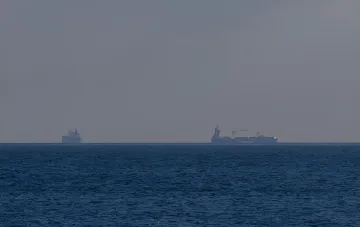
The key indicator of the success of Ukrainian operations remains the behavior of the Russian fleet. Pletenchuk confirmed that Russian ships are predominantly remaining at their bases, and their sorties to sea are practically not recorded. This indicates a serious restriction on the mobility of the Russian Black Sea Fleet.
Context: Zelenskyy's statement and new technologies
The words of the Naval Forces spokesperson echo recent statements by Ukrainian President Volodymyr Zelenskyy. The head of state previously declared that Russia has lost the Black Sea. Visual confirmation of this position was a diagram of destroyed ships of the Russian Black Sea Fleet, which was demonstrated at a meeting between Zelenskyy and military personnel.
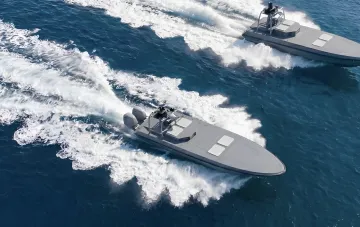
New technologies also play an important role in changing the balance of power. Recently, Ukrainian military personnel showcased the operation of the Barracuda sea drone for the first time. This unmanned vehicle, along with other systems, is actively participating in attacks on enemy positions, complicating the logistics and combat operations of the occupiers in the region.