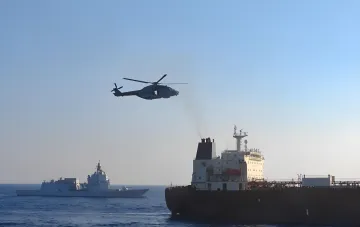
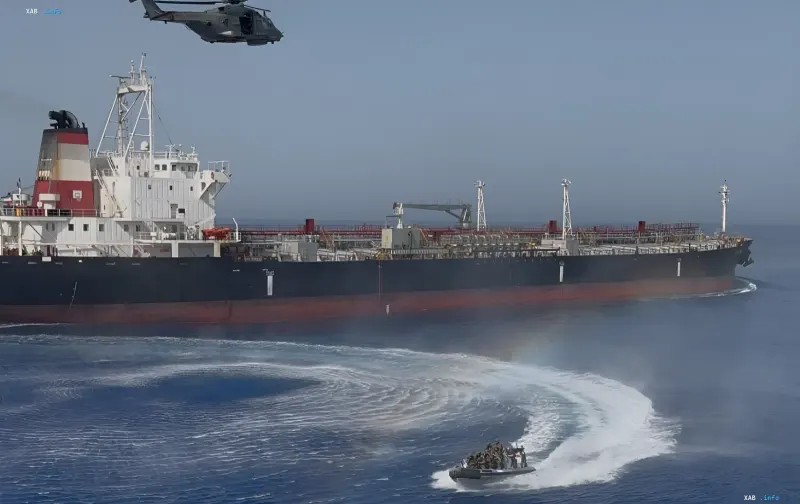
Events in the Mediterranean have taken a new turn of tension. On July 20, the European Union's EUNAVFOR MED IRINI operation forces detained the oil tanker MV SOUTH STAR. According to official sources, the vessel is suspected of sailing under a false flag, which is a direct violation of international maritime law norms.
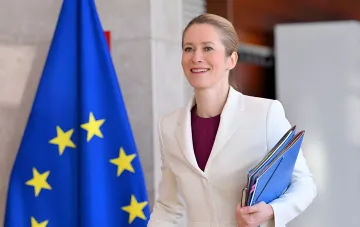
This was reported by the EU High Representative for Foreign Affairs and Security Policy, Kaja Kallas, on her microblog. The detention demonstrated Brussels' determination to increase pressure on Russia's so-called "shadow fleet," which, according to European diplomats, continues to finance the Russian military machine.
New powers for the EU fleet
The detention of MV SOUTH STAR was just one episode of a large-scale campaign. Parallel to this event, EU member states made an important decision expanding the capabilities of European military forces at sea. The countries of the union officially authorized the EUNAVFOR ATALANTA operation to board vessels suspected of belonging to the Russian shadow fleet.
Now, the ATALANTA naval forces have the right to check vessel flags and board them, using the same protocols as the IRINI operation. Kaja Kallas called this decision a step that "tightens the noose" around the illegal export of Russian resources.
Systemic pressure on sanctions evasion
Fighting the shadow fleet has become a systemic task for the European Union for over a year. The European Commission and the foreign ministries of participating countries view tankers hiding the true owner of the cargo as a key tool for bypassing Western economic restrictions.
Diplomatic pressure is backed by specific sanction measures. In June of this year, the EU adopted a new package of sanctions targeting 24 organizations and two individuals directly linked to the export of Russian oil via ghost ships. Events in the Mediterranean show that Europe is moving from declarations to active actions to physically block such shipments.