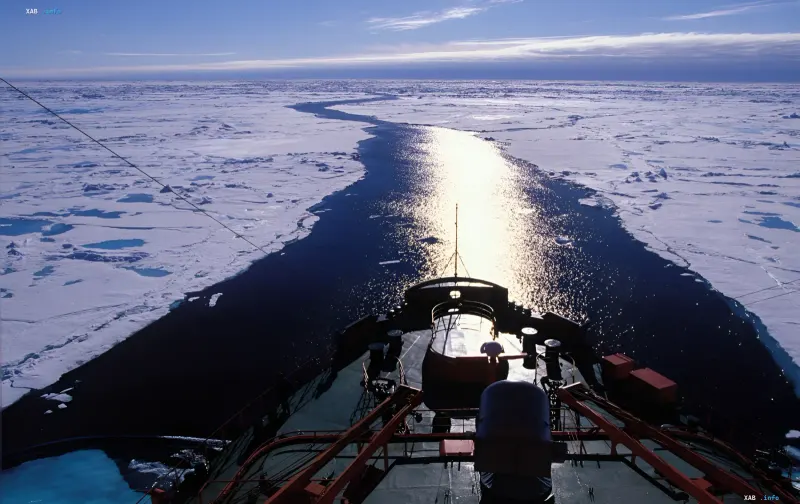
The Russian Federation has significantly intensified logistical operations for exporting crude oil through the Arctic Ocean. Tanker fleet movement statistics record an unprecedented growth in export volumes, which have remained above the 4 million barrels per day mark for five consecutive weeks. These data, collected by Bloomberg analysts, indicate a massive restructuring of the country's export routes.
Record Arctic Transit Rates
The navigation season on the Northern Sea Route started earlier than usual this year. July transits of Russian tankers are already showing figures that could surpass the volumes of previous years. For comparison: only one tanker was recorded on this route in July of last year. Accelerated deliveries allow ships to complete voyages faster and return for new cargo, which is critical for maintaining high export rates.
Avoiding Conflicts in the Red Sea
The shift in logistical chains is dictated not only by climatic factors but also by geopolitical tension. The Arctic route allows Russian vessels to avoid risks in the Red Sea, where Yemeni Houthis have declared a naval blockade of Saudi Arabia. Previously, several tankers of Russia's so-called "shadow fleet" became victims of attacks while passing near Yemen, making the northern route a safer alternative.
New Destinations and Supply Statistics
In 2023, Russia redirected about 500,000 barrels of crude oil per day from pipeline supplies to Europe to maritime flows. One of the new, albeit small but significant, destinations became Egypt. At least 15 cargoes of Urals grade oil were delivered to the Mediterranean port of Marsa el-Hamra this year, with traffic surging sharply in recent months.
According to vessel tracking data and reports from port agents, total Russian crude oil supplies for the week leading up to July 26 amounted to impressive volumes: about 39 tankers loaded a total of 28.47 million barrels.
Fleet Protection in the Black Sea
Despite the active development of the Arctic direction, Russia continues to face threats in southern ports. Public statements by authorities about the stability of the situation contrast with real actions to protect the fleet. Russian authorities have ordered the "Rubikon" drone center to do everything possible to ensure the safety of the "shadow fleet" in the waters of the Black and Azov Seas, attempting to minimize losses from strikes.